

River in 8 days
Walk, restaurants, Copacabana Beach, statue of Carlos Drummond de Andrade... · Neighborhood that has everything, Urca, beach, restaurants to the Bread of Sugar... · One of the wonders of the world, Cristo Redentor, Postal Card... · One of the biggest gastronomic poles, Leblon, Ipanema, restaurants..
Day 1: COPACABANA
Little Princess of the Sea, the world's most famous beach has its own fascination. In it you can walk for its 4 kilometers, admiring the unique landscaping of Roberto Burle Marx, the white sand, the various kiosks, feel the constant breeze of the Atlantic Ocean and fall in love with the most classic neighborhood of the city.
Ah! Be sure to taste the globe cookie with matte, Cultural Heritage Carioca and of course, take a picture hugged with the statue of Carlos Drummond de Andrade. You can also choose a delicious Brazilian lunch at one of the most traditional barbecues in the city: Palace barbecue. for(var x=0; x to finalize your first day at the river, what could visit the most attractive tourist of the Brasil? OUR TIP IS THAT IT'S AT THE END OF THE DAY SO THAT I CAN APPROVE THE SOUND WITH ONE OF THE BEST VIEWS OF THE JANUARY RIO!
Day 1: URCA
Bondinho Pão de Açúcar Opened in 1912, the cable car located in the Urca district is one of the most famous postcards in the city. Connect Red Beach to Morro da Urca and Morro do Pão de Açúcar. From the top of the two hills we can enjoy a stunning landscape of the city, including the inlet of Botafogo, the edge of Copacabana and the entrance to Guanabara Bay. AFTER THIS VISIT TO TAKE THE FOLE, WHAT IS IT THAT A CERVE AND A CAMARAN PASTEL IN THE URCA MURET?
MURETA DA URCA for(var x=0; x It became known in Rio de Janeiro as an unparalleled place where cariocas and tourists can have a beer and pinch typical and delicious snacks. There are several bars along the wall, among them the Belmonte stands out with its wonderful pies, among them the most famous: shrimp and meat, as well as its very cold chop. There you will find the traditional Urca Bar, which is at the end of the wall, as well as the River Floating, a boat restaurant!
Day 2: CRISTO REDENTOR
Good day, wonderful city! TODAY WE WILL KNOW THE ICON OF THE JANUARY RIO, THE MOST VISITATED TOURISTIC ATTRACTIVE OF BRAZIL AND ONE OF THE MOST FAMOUS OF THE WORLD: CRISTO REDENTOR!
CRISTO REDENTOR for(var x=0; x Inaugurated on October 12, 1931, the statue with open arms to Guanabara Bay turned 90 this year. for(var x=0; x At 38 meters high (including the 8 meter pedestal) and 1,145 tons, the tourist attraction is located on the top of the hill of the Corcovado and was elected one of the 7 wonders of the world! for(var x=0; x Open daily at the visitation from 8h to 19h, the Cristo Redentor can be visited basically in 3 ways: by van (from four different points of Rio), by the train of the Corcovado (Cosme Velho Station) or by trail, rising by the Parque Lage.
DAY 2: LEBLON & IPANEMA
AFTER ALL THIS BEAUTIFULNESS, THOUSAND PHOTOES AND LINE RECORDATIONS, WHAT COULD KNOW LOCAL GASTRONOMY? WE CAN CHOOSE BETWEEN ONE OF THE SEVERAL RESTAURANTS AND/OR BEATS OF THE FAMOUS STREET DAYS IN THE LEBLON. LEBLON Attraction pole for cariocas and tourists, the site is, above all, one of the largest gastronomic points in the country. The Street houses several exclusive bars and sophisticated restaurants, some run by the best chefs in Brazil and Latin America.
ARPOADOR - IPANEMA for(var x=0; x A classic carioca: applaud the sunset, from the city's hottest rock: The Arpoador! This is a "must" from Rio, you don't want to stay out of it, do you? Oh and don't forget to stop and take a picture with Tom Jobim's statue, one of Bossa Nova's parents.
Day 3: IPANEMA
Good morning! TODAY OUR MORNING JUST FOR A THING: AND NOT ANYONE... ONE OF THE MOST CALLS OF RIO. Ipanema Beach is between the Arpoador and the Allah Garden. She owns two. km of extension and its sands are always busy, as well as its boardwalk. There, people practice sports, sunbathe or enjoy an iced coconut. Ipanema has 3 Posts: Posto 8, 9 and 10. The three are very popular by residents and tourists, national and international. Oh and don't miss this tip: every Sunday the biggest art and crafts fair in Rio has been happening, since 1968, the Hippie Fair of Ipanema, world-renowned and steeped as immaterial heritage of Rio de Janeiro since 2011 is a must stop! The fair takes place every Sunday in Plaza General Osório from 8:00 to 6:00 p.m.
And to know all this beauty, we invite you to walk from IPANEMA to the LEBLON's MIRAND, to perform a unique visual, to the edge of the new good. AFFINAL, IT WAS HERE THAT THE WORLDLY FAMOUS SONG “IPANEMA GUARANTEE”, WAS COMPOSED BY TOM JOB AND LET BY VINICIUS DE MORAES, IN 1962. for(var x=0; x IN THE RESENT OF THE DAY, YOU CAN APPROVE TO MOVE ON THE ELIGENT STREETS OF THE BAIRRO, MAKE BUYS AND DEFUSE OF AN EXCELLENT CARDAPIUM IN ONE OF THE SO MANY OPTIONS OF RESTAURANT, MODERNS AND ACCOUNTORS, BETWEEN THE GARCIA D'AVILA STREET AND THE PREASE OUR MESS OF PEACE.
DAY 4: JARDIM BOTÂNICO & PARQUE LAGE
JARDIM BOTÂNICO The Jardim Botânico of Rio de Janeiro, the oldest in Brazil, occupies an area of 540,000 square meters being topped by the Instituto do Patrimônio Histórico e Artístico Nacional, is one of the main tourist sites in Rio. It has great historical, cultural, scientific and landscape importance, being the site defined by UNESCO as a Biosphere Reserve area. It was founded on June 13, 1808 by the Portuguese Prince Regent D. João, who would later become D. John VI, to create in that space the Garden of Acclimation. The most famous of the 3,400 species, from around the world, is certainly the imperial palm tree, symbol of the Jardim Botânico, and postcard of Rio.
PARQUE LAGE for(var x=0; x Henrique Lage Park is an old sugar mill located in the Jardim Botânico district. Covered by IPHAN as a historical and cultural heritage of the city of Rio de Janeiro, it has 52 hectares of great nature and art. It's all lovely, both the palm trees, the aquarium, the lakes, the artificial islands, the caves, and being at the foot of the Corcovado hill. for(var x=0; x The imposing 19th century house, where the School of Visual Arts of the Parque Lage operates, having in the center a beautiful swimming pool is the stage for the most instagramable photos of Rio and around it a restaurant always very popular. It's a great option for breakfast or lunch.
DAY 5: HISTORICAL CENTER
NOW THAT WE'RE REPLYING A GOOD CARIOQUES, WE'RE GONNA KNOW A WONDERFUL CITY JOY: THE HISTORY CENTER OF THE JANUARY RIO! IMPERIAL PACE The Imperial Palace, in the heart of the historic center of Rio, was the scene of important events in our history. Former residence of the governor and the Viceroy in the 17th century, the site with the arrival of Dom John VI in 1808, was called Paço Real and received the current name in 1822, with Peter I and Peter II until the Proclamation of the Republic in 1889. Currently, it is a multicultural space with programming of visual arts, performing arts, music, seminars and services of shops and restaurants.
REAL PORTUGUESE READING GABINET for(var x=0; x The Royal Portuguese Reading Office, elected in 2014 the fourth most beautiful library in the world, has its facade inspired by the monumental Monastery of Jeromes, in Lisbon, in Manueline style, made with stones brought by ship from Portugal to Rio. The library has the largest collection of Portuguese works outside Portugal. There are over 350,000 foreign and national books. The Royal Portuguese Cabinet is also a study center, offering courses, conferences and lectures, mostly related to literature, with a special focus on Portuguese-Brazilian culture and production. The interior decoration is amazing, it's worth a visit!
DAY 5: HISTORICAL CENTER
IN THE CENTER OF THE RIO, THANKS FOR LUNCH IN ONE OF THE COFFEE MOST ANTIGOS OF THE CITY: CONFECTOR COLOMB Founded in 1894 it is still considered one of the most respected commercial houses in the country. As a cultural and artistic heritage of the city, the confectionery is fully connected with the urban history of Rio de Janeiro. As the city grew, the confectionery was strengthening as a social meeting point, including great names of literature, such as Olavo Bilac and Machado de Assis. Besides the sweet and salty, the confectionery architecture attracts tourists from all corners. In art nouveau style, with many crystal mirrors brought from Belgium, Italian marbles, floors and furnishings in jacaranda, the design of the Colombo Confectionery is inspired by the stage of the Belle Époque of Rio de Janeiro, with a look that refers to the French customs of the time. So much so that in 1922, the Colombo Confectionery brought from France the iconic skylight and also the elevator that was one of the first in Rio. Oh, don't miss the famous pastel of Bethlehem in the house, one of the best in town!
CINELAND for(var x=0; x Cinelândia is a beautiful square in the center of Rio de Janeiro. All this charm is ancient and is directly linked to the history of the city. Surrounded by buildings such as the National Library, the City Hall (Palacio Pedro Ernesto), the former Federal Supreme Court, and the Theatro Municipal, motivated the idea of turning the square into a Brazilian version of Times Square. The original name is Praça Marechal Floriano Peixoto, the name Cinelândia came because from the 1920s the region began to have the best cinemas in the city.
Day 5: Center
METROPOLITAN CATEDRAL The São Sebastião Cathedral of Rio de Janeiro, known as the Metropolitan Cathedral of Rio de Janeiro, is one of the most attractive buildings in the center of Rio. In a pyramidal form, it was inaugurated in 1976, when it replaced the Church of the Carmo or ancient See in Square XV of November. This grand modernist brutalist church was designed by Edgar da Fonseca, a circular-shaped plant with dimensions of 106 meters in diameter and 96 meters in height. Undoubtedly an unmissable visit.
THEATRO MUNICIPAL for(var x=0; x The Theatro Municipal, considered the main showhouse in Brazil and one of the most important in South America, is also one of the most famous sights in the city. Over a little more than a century, the house has received on its stage great international artists and the main names of Brazilian culture, representatives of dance, music, opera and performing arts. Located in the Plaza Marechal Floriano, in Cinelândia, Theatro had the beginning of its works during the municipality of Pereira Passos, as part of the architectural set of urban reform works of Rio de Janeiro and the opening of Central Avenue (present-day Avenida Rio Branco). for(var x=0; x for(var x=0; x NATIONAL BIBLIOTECA for(var x=0; x The National Library of Brazil, considered by UNESCO one of the ten largest national libraries in the world, is also the largest library in Latin America. The original core of his powerful collection, calculated today in about ten million items, is the former bookshop of D. José organized under the inspiration of Diogo Barbosa Machado, Abbot of Santo Adrião de Sever, to replace the Royal Bookshop, whose origin dates back to the collections of books of D. João I and his son D. Duarte, and which was consumed by the fire that followed the Lisbon earthquake of November 1, 1755.
Day 6: ZONE WEST
Good morning! Are we going to explore the beauty of the Western Carioca? BARRA DA TIJUCA The largest beach in the city, 18 kilometers long edge with promenade and bike lane, from the sea break to the Recreio dos Bandeirantes (Pontal), is a darling of cariocas and tourists. Its sand, white and extensive, is perfect for sports practice. The Pepé beach, at the time of the posto 2, is one of the most agitated spots, frequented by young people and also has the gastronomic pole of Maciel Olegário Avenue, where you can find a lot of buzz and a thousand possibilities for dancing lunches and nights. If you are looking for a quieter beach, surrounded by nature, our tip is to get to know Praia da Reserva, at this point end the condominiums by the sea and the sidewalk, staying only kiosks and a green area that is between the Lagoa Marappendi and the beach.
CITY OF FURTHER BIBI ARTS for(var x=0; x The City of Arts Bibi Ferreira is a cultural complex located in the heart of the Barra da Tijuca. Opened in 2013, it has one of the largest concert halls in Brazil. It is considered one of the main music shows centers in the state of Rio de Janeiro.
Day 6: ZONE WEST
BLACK Now, if you're looking for a paradisiacal beach, don't forget to meet the PRENE. The surfers' favorite beach, draws attention to the good waves and natural beauty – its 700 meters are protected by hills covered by Atlantic Forest. In the kiosks, the requests are natural sandwich, juice and açaí. In front of the beach is located the Municipal Natural Park of Prainha, which gives access to the viewpoint of Caeté, through a trail. The lookout has an incredible view of Prainha and Morro dos Cabritos on one side and, on the other, Praia do Recreio and Pedra do Pontal. There's still a view of Pedra da Gávea in the background. You're not gonna miss it, are you?
MUSIC CASE OF THE POINT FOR(var x=0; x The Casa do Pontal Museum is considered the largest and most significant popular art museum in the country. It consists of the production performed by about 200 artists since the beginning of the 20th century, involving 8,000 pieces, among sculptures, dolls, carvings, models and articulated mechanisms, produced with the use of clay, wood, fabric, sand, iron, aluminum, bread, straw and wire. The collection was brought together by Jacques Van de Beuque.
Day 7: LAPA
Are we going to know the places of the carioca bohemian? WE START OUR VISIT WITH THE BAIRRO HISTORY OF LAPA, WHERE WE CAN TAKE PHOTOGRAPHS WITH THE AQUIDUTUM, THE ARCOS DA LAPA, THE GREATEST PORTE ARCHITETONIC WORK IN BRAZIL DURING THE COLONIAL PERIOD, IS TODAY ONE OF THE CITY'S POSTAL CARTS, THE MOST REPRESENTATIVE SYMBOL OF THE RYOGRAM OF JANUARY PRESERVED IN THE BOEMY REGION OF LAPA.
ESCADARIA SELARÓN for(var x=0; x We couldn't miss in our script, the most colorful and visited place in Rio, right? The Escadaria Selarón fills one of the paths between the Lapa and Santa Teresa neighborhoods in Rio de Janeiro. The gigantic mosaic is the work of Chilean artist Jorge Selarón, who began to decorate the ladder in the early 1990s. With his continuous work, and his own resources, he left a gift for the city: the 250 steps became a monument and an icon of Rio, with more than 2500 tiles coming from more than 65 countries in the world. Escadaria Selarón has already been around the world: it was a set of clips, advertisements and fashion editorials. Everyone wants a picture around here and you're certainly not giving up yours!
DAY 7: SANTA TERESA & MAM
SANTA TERESA Shall we take the yellow tram, cross the arcos da Lapa and climb Santa Teresa? The most charming neighborhood in the city, known as “Montmartre Carioca”, is the place of artists and artisans. Here you will walk and admire historic buildings, more than 80 artists' workshops and have a diverse gastronomic pole, as well as the beautiful views of Guanabara Bay and Pão de Açúcar! PARK OF RUINS The cultural centre Ruin Park, was the former residence of the aristocrat Laurinda Santos Lobo, matron of Belle Époque carioca, niece of Dr. Joaquim Murtinho Nobre, founder of homeopathy in Brazil. In his palace, Laurinda had parties that brought together artists and intellectuals of the time. Today we can admire the ruins of the palace, an exhibition room, a theatre and a 360-degree view of the Wonderful, unmissable City! OUR SUGGESTATION FOR AFTER THE LUNCH AT THE GASTRONOMIC POLE OF SANTA TERESA IS TO KNOW THE LINDISSIME PARK OF FLAMENGO AND THEIR UNIQUE ATTRACTIVES WITH THE BASE LEGAL LINDO OF THE GUANABARA BABY!
MAM for(var x=0; x Rio's modern architecture, the Rio de Janeiro Museum of Modern Art is one of the most important cultural institutions in Brazil. Eduardo Reidy's work stands out for the great free passage and integration with the landscape and surrounding gardens, which are the work of the landscaper Roberto Burle Marx. The museum was inaugurated in 1948, and has since been the scene of several events of great relevance in the Brazilian artistic vanguard. Throughout its history, it has conquered a large collection of modern and contemporary art highly representative. After this day of unique beauty, that might help a good dinner, a DRINK and a visual line in the new sea of glory? NEXT TO MAM, several options of national and international RESTORANTS are offered in a cenario.
Day 8: BOULEVARD OLÍMPICO
Good day... We've come to our last day... but still have many stories for you that, with certainty, just like us, are you in love with the wonderful city, right? WE'RE GOING TO UNBEAR THE NEW PORTUARY AREA OF THE CITY WITH HIS 28 TOURISTIC ATTRACTIVES. SEA Occupying two buildings of the Praça Mauá, the museum, which won the international architecture award in 2013 (year of its inauguration), promotes a cross-sectional reading of the history of the city, its social fabric, its symbolic life, conflicts, contradictions, challenges and social expectations. With several incredible exhibitions and always diversifying, certainly, a great option for art lovers. MUSEU DO AMANHÃ The Museu do Amanhã is the new futuristic icon of the Praça Mauá, inaugurated in 2015, designed by the Spanish architect Santiago Calatrava, is the symbol of the Wonder Harbor. An interactive science museum, which uses technology to bring about a very important reflection: what is the future of the planet earth?
AQUARIO for(var x=0; x Unmissable Attraction, for large and small, located in Porto Maravilha, AquaRio is the largest aquarium in South America. With 26 thousand m2 of built area, 4.5 million liters of water and 8,000 animals of more than 350 species! for(var x=0; x for(var x=0; x RIO STAR for(var x=0; x Opened in December 2019, Rio Star is one of the newest attractions in Rio de Janeiro. Latin America's largest 88-metre-high Ferris wheel is in the Boulevard Olímpico, Rio's port region, next to the AquaRio. This panoramic visit will make you enjoy Guanabara Bay, Morro da Providence, the first favela in Brazil and the beautiful graffiti panels of Porto Maravilha. for(var x=0; x for(var x=0; x OUR SUGGESTATION IS TO LUNCH AT THE GASTRONOMIC POLE OF THE LARGE ARE FRANCISCO OF THE PLAIN , HEART OF THE SMALL AFRICA FOR(var x=0; x LEGAL SUPER ROLE, WHAT'S GOING ON TO THE END, RIGHT? BUT DON'T WORRY ABOUT THE RIO OF JANUARY CONTINUES OPEN ARMS WAITING FOR YOU ALWAYS WITH HIGH NEW PASSES!
In this collection
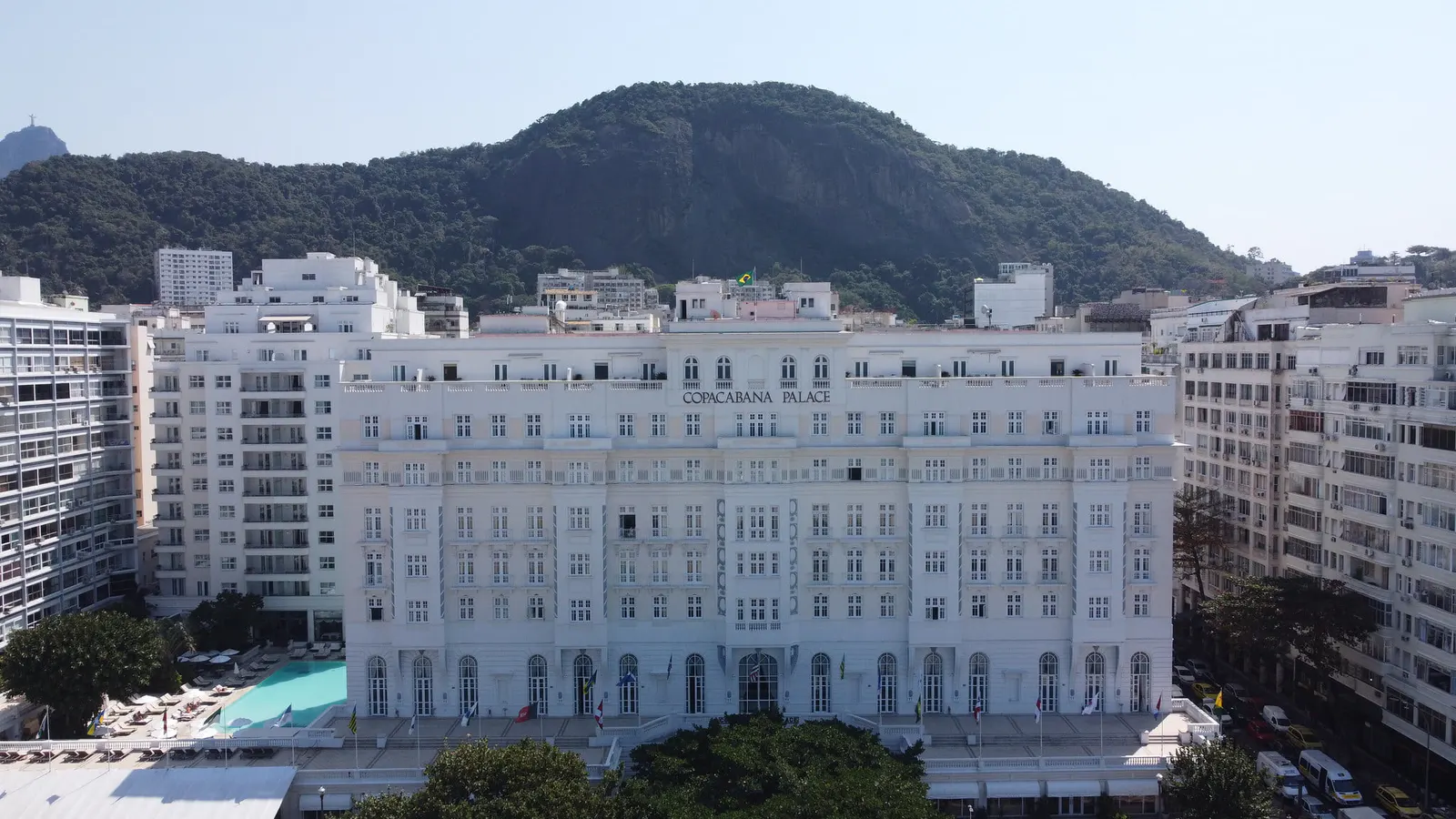
Belmond Copacabana Palace
Located on the famous Copacabana beach, the hotel is an icon of glamor and sophistication.
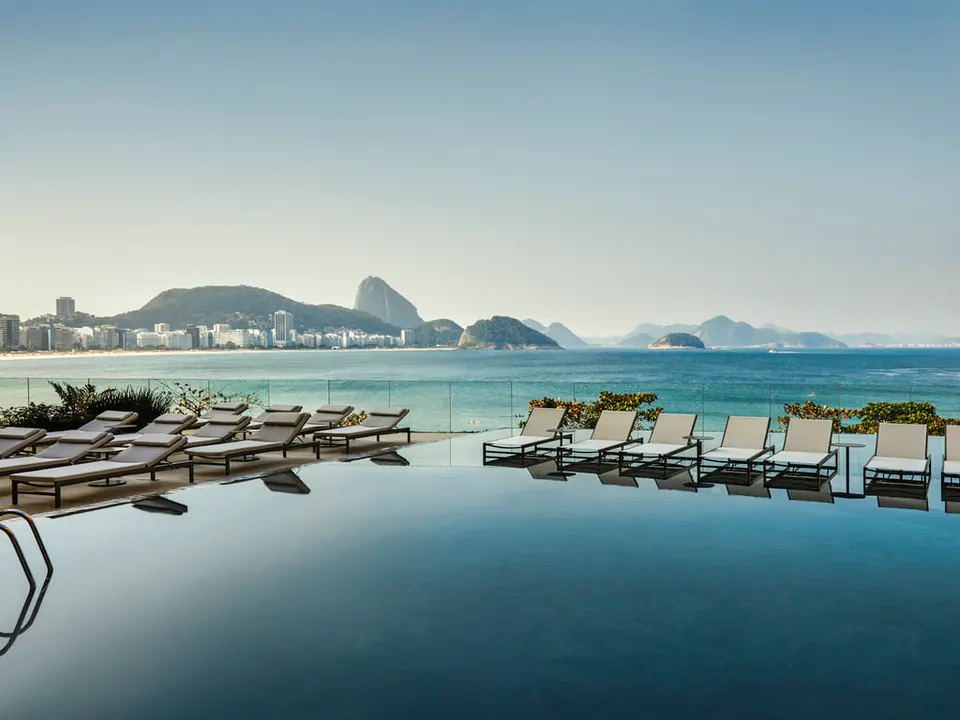
Fairmont Rio de Janeiro Copacabana
At 30 meters above sea level, you can't hear anything, just the sound of the waves. A five-star experience facing Copacabana beach.
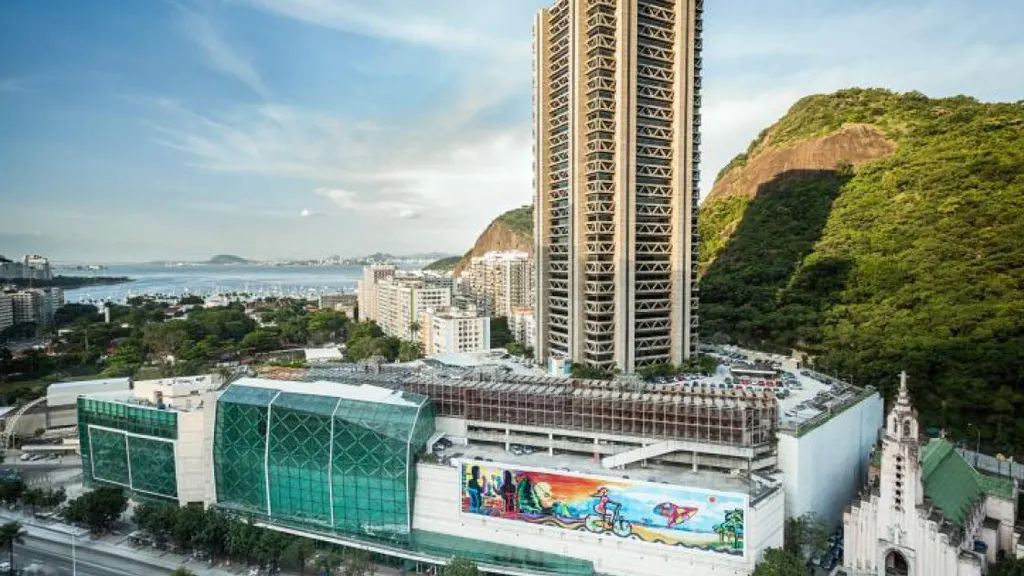
Shopping Rio Sul
First mall to be built on Rio de Janeiro, Rio Sul opened the doors on April 28th, 1980, and the proximity like Sugar loaf and Corcovado – put it on the route for who goes to Rio.
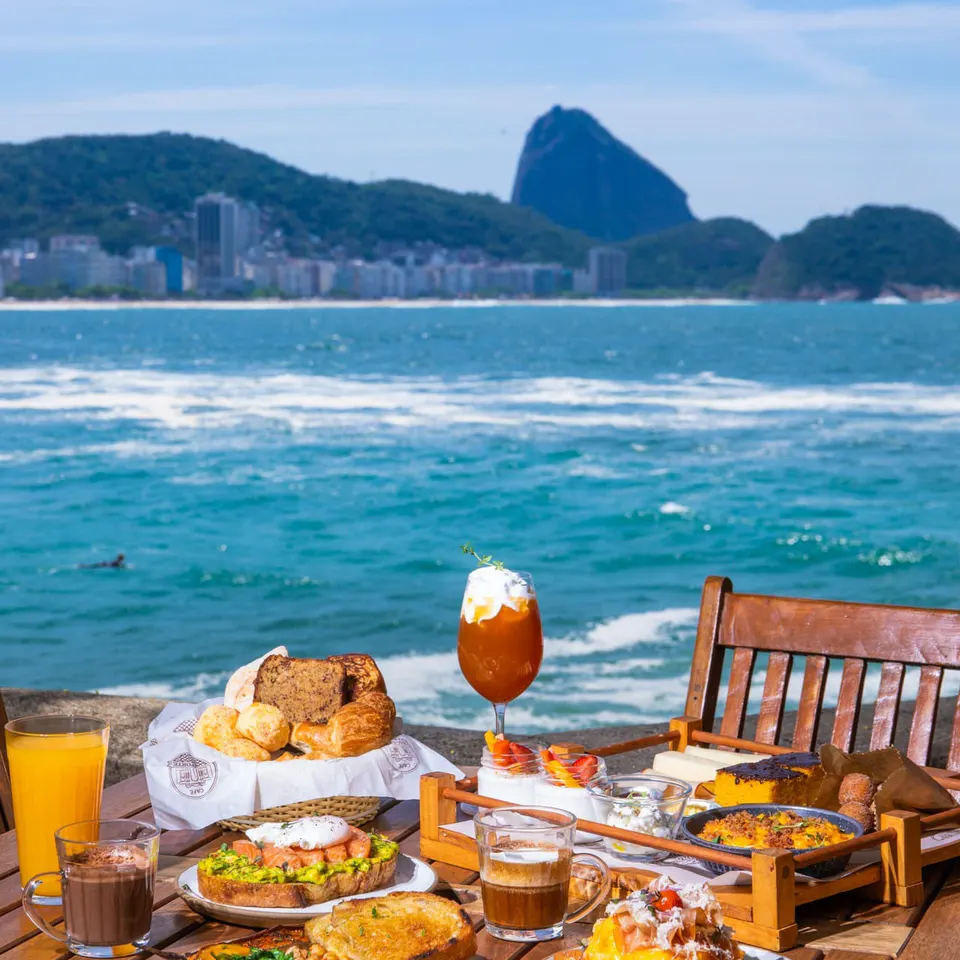
Forte Café 18
Open in 2010, coffee and bistro Café 18 do Forte, proposes an authoral menu betting on local suppliers, especially small producers of the state of Rio.
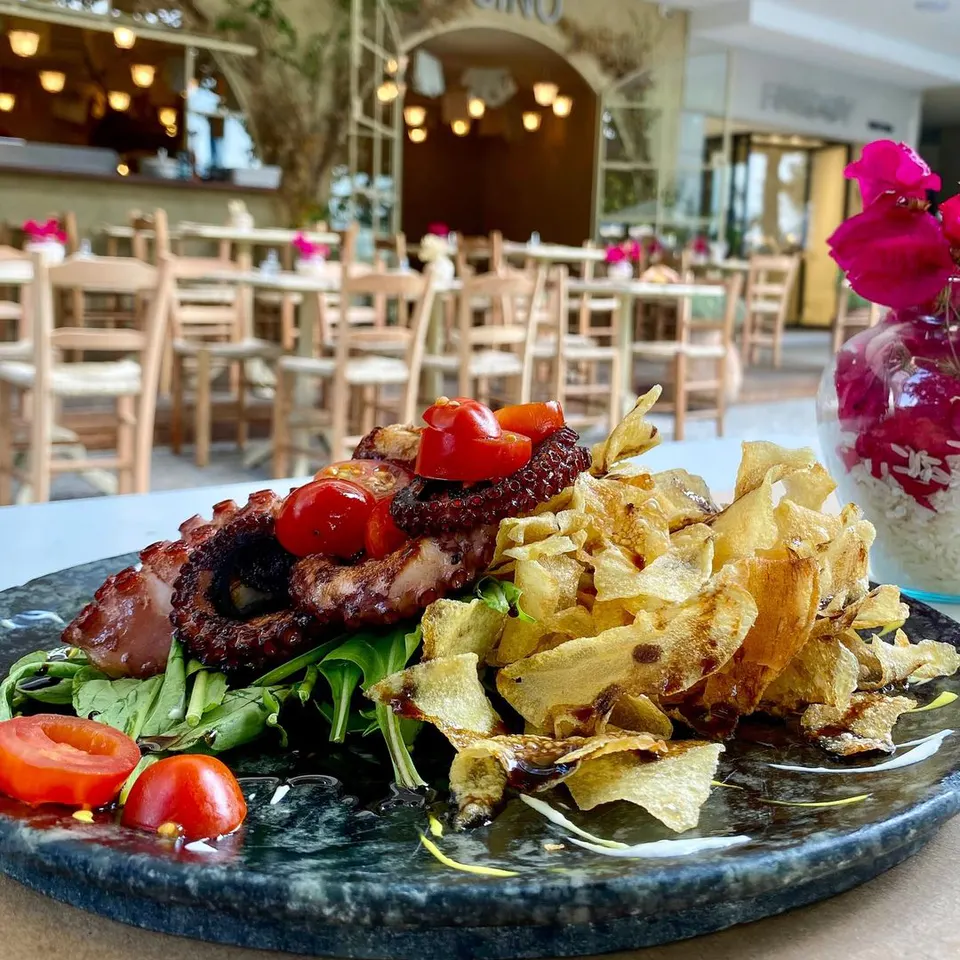
Gino Ristorante
Gino Restaurant & Pizzaria Italiana is a re-reading of the classic canteens with a touch of Rio’s seasy!
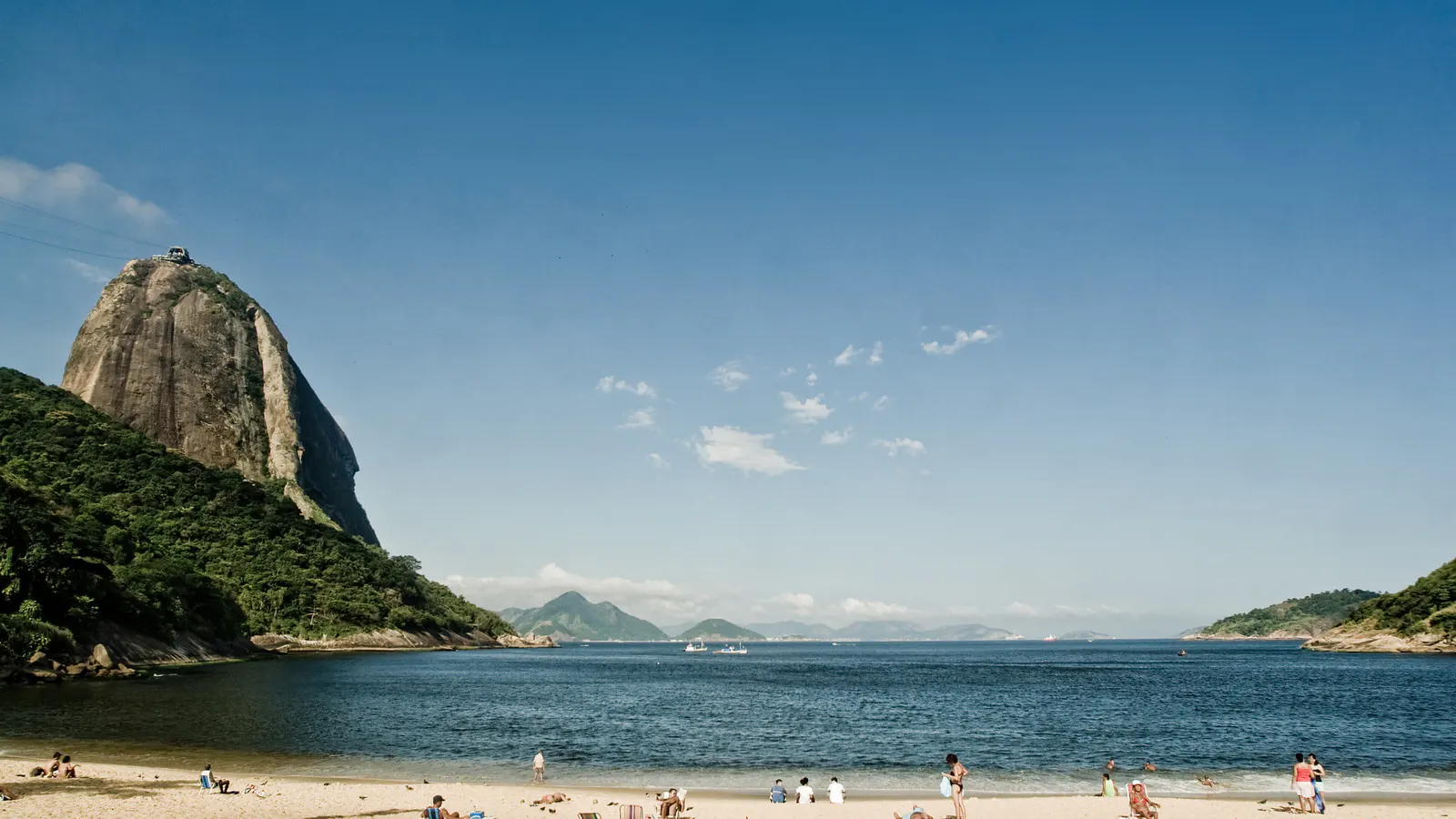
Vermelha Beach
The quiet beach of small and surrounding countryside located in the neighborhood of Urca.
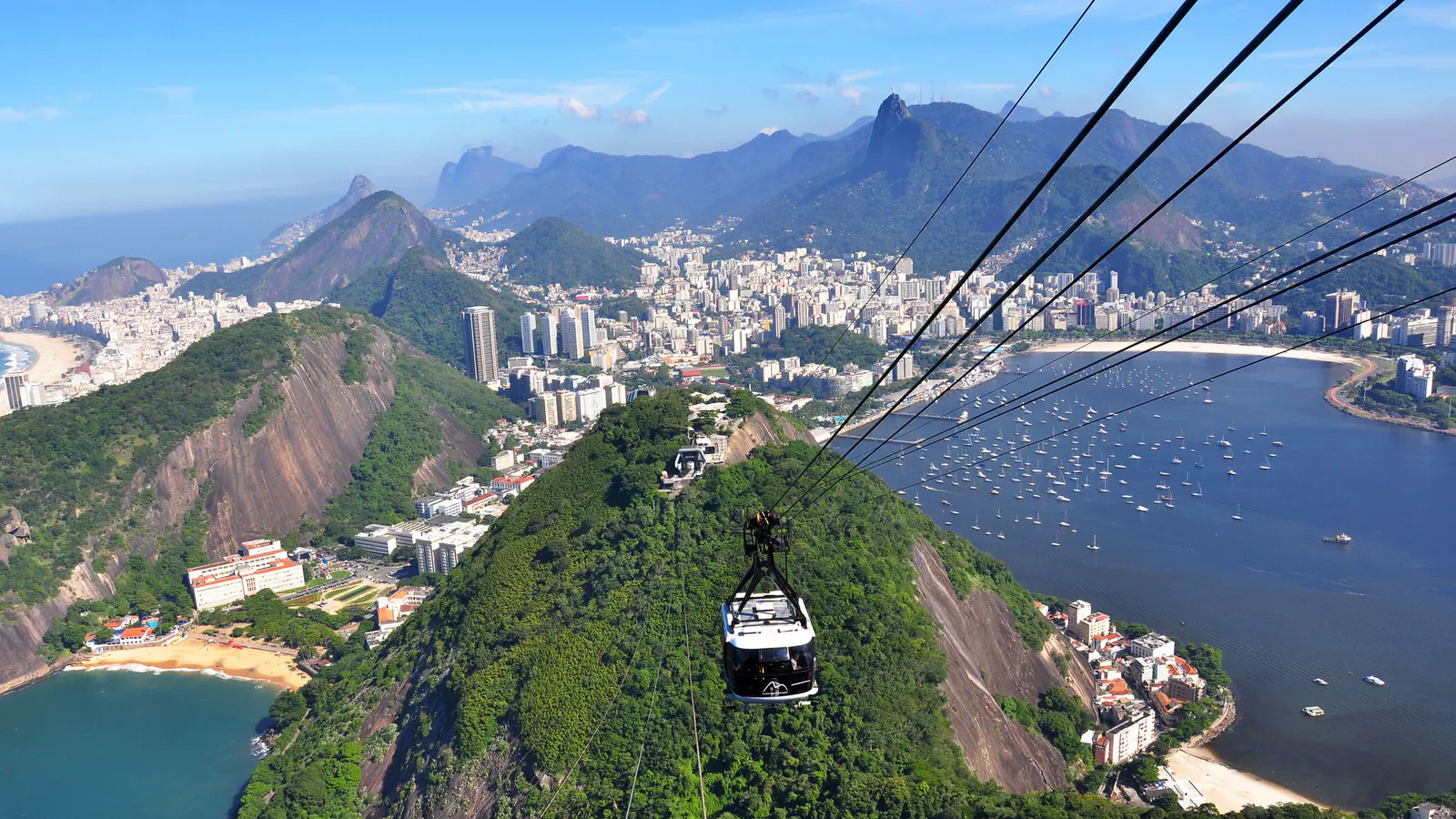
Morro da Urca
Urca hill, with so nice 220 meter, has in it top the first cable car terminal going to Sugar loaf.
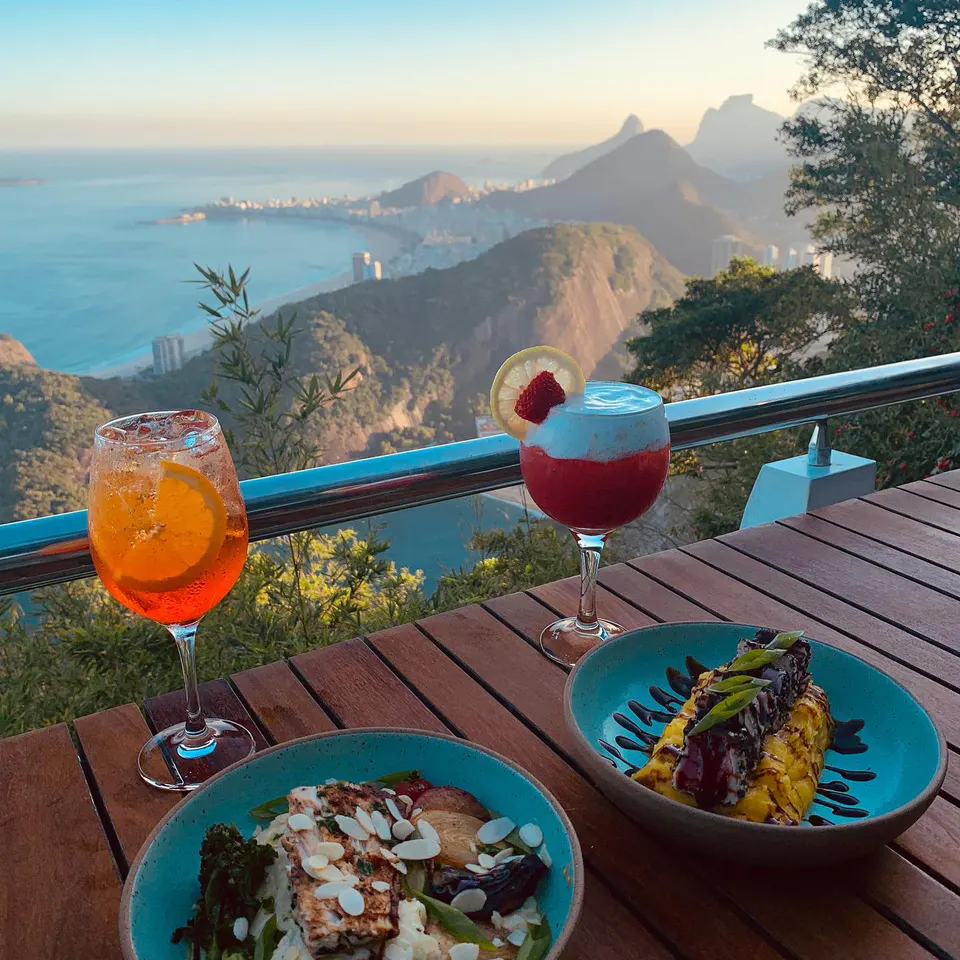
CLÁSSICO BEACH CLUB - URCA
Have you imagined what it would be like to enjoy the sunset in one of the most breathtaking landscapes in Rio while eating Brazilian cuisine treats?
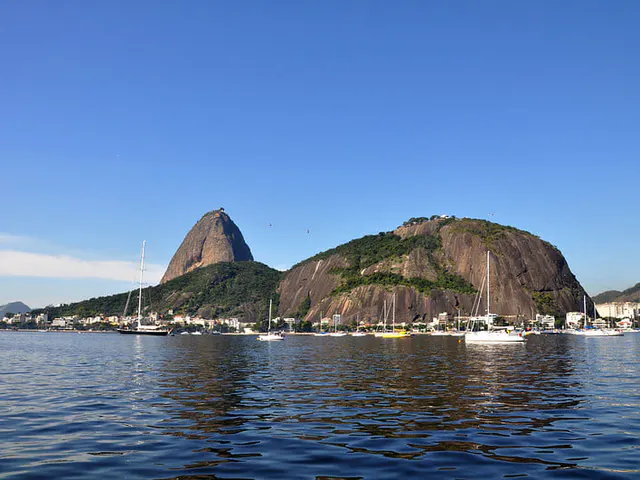
Sugarloaf
One of the most beautiful post-cards of Rio de Janeiro offers a gorgeous view of the whole city.
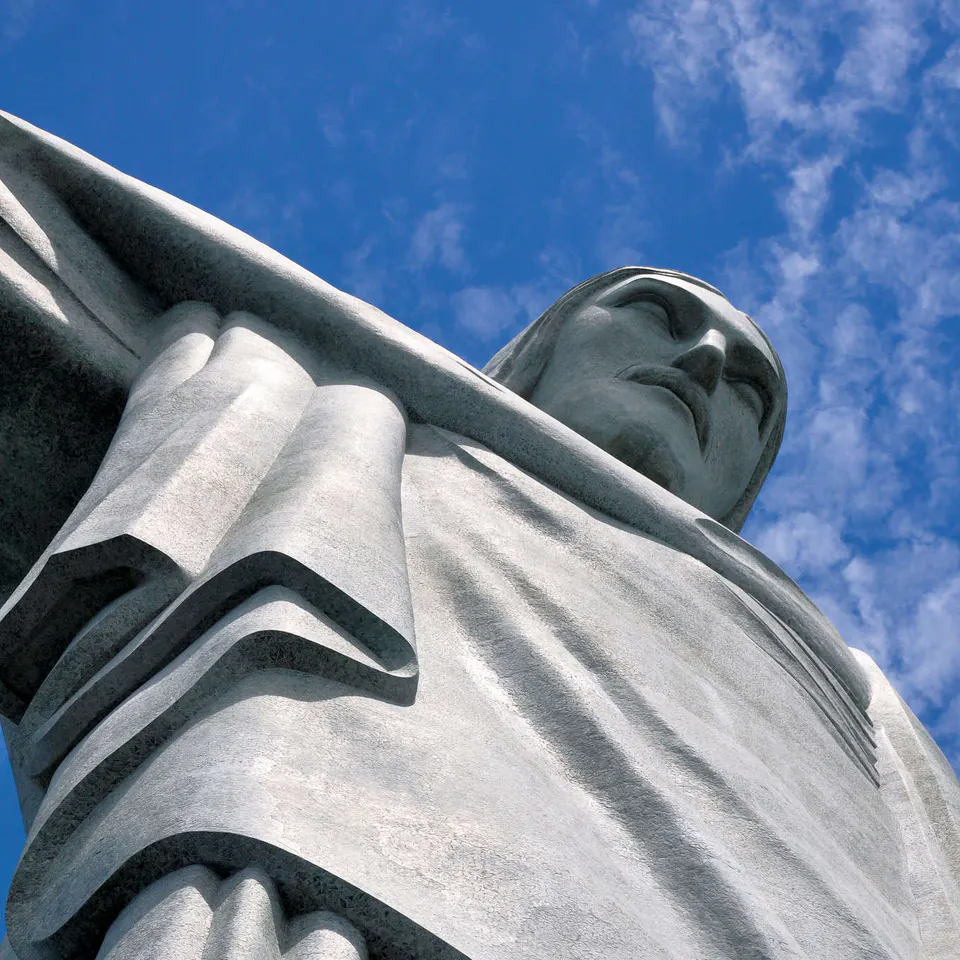
Cristo Redentor
With arms open wide over Guanabara bay, Christ the Redeemer receives the visitants and bless the cariocas.
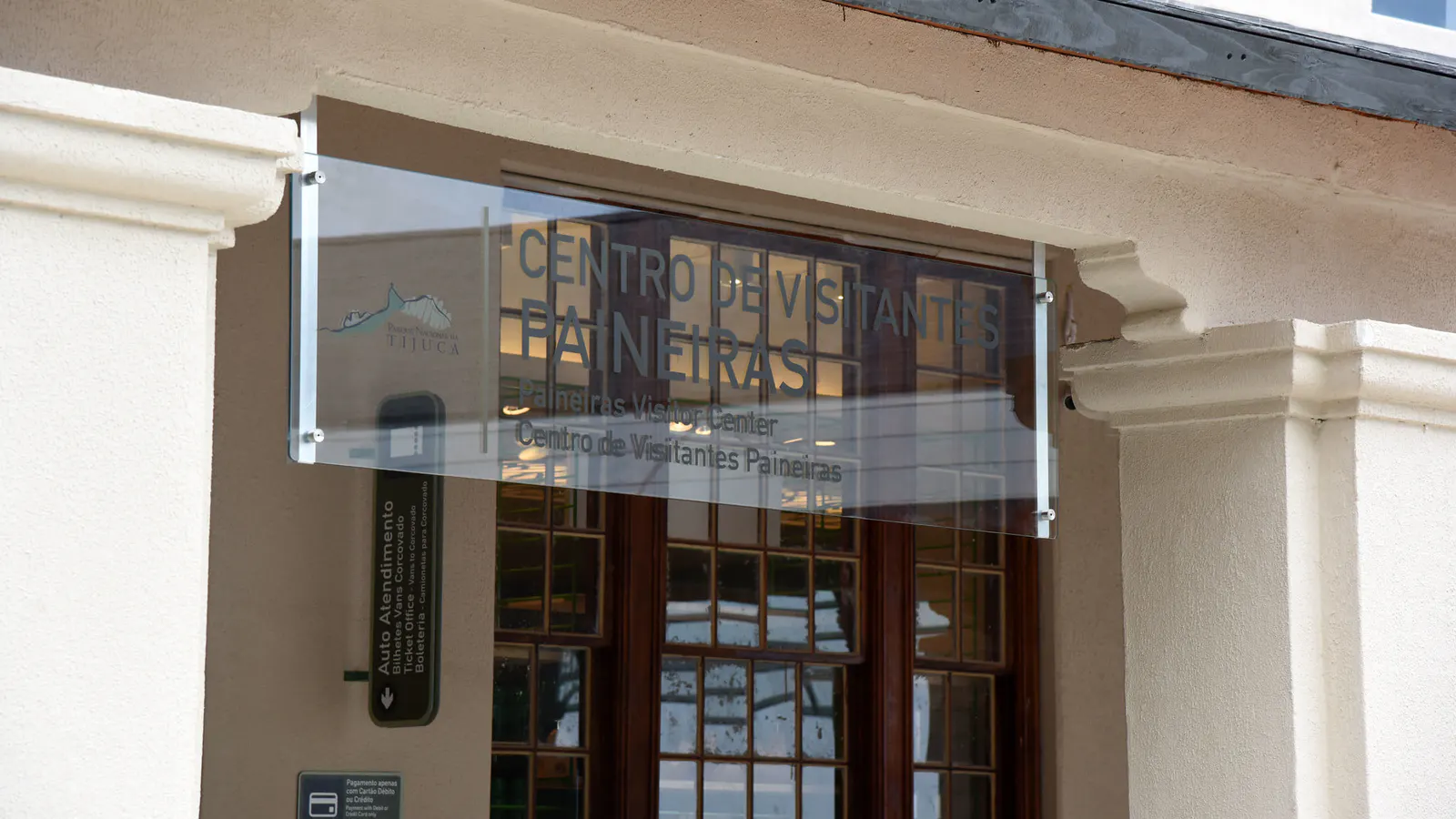
PAINEIRAS VISITORS' CENTER
Those who visit the Corcovado and Paineiras, in the Tijuca National Park, is not surprised only by the great view and the natural beauty.
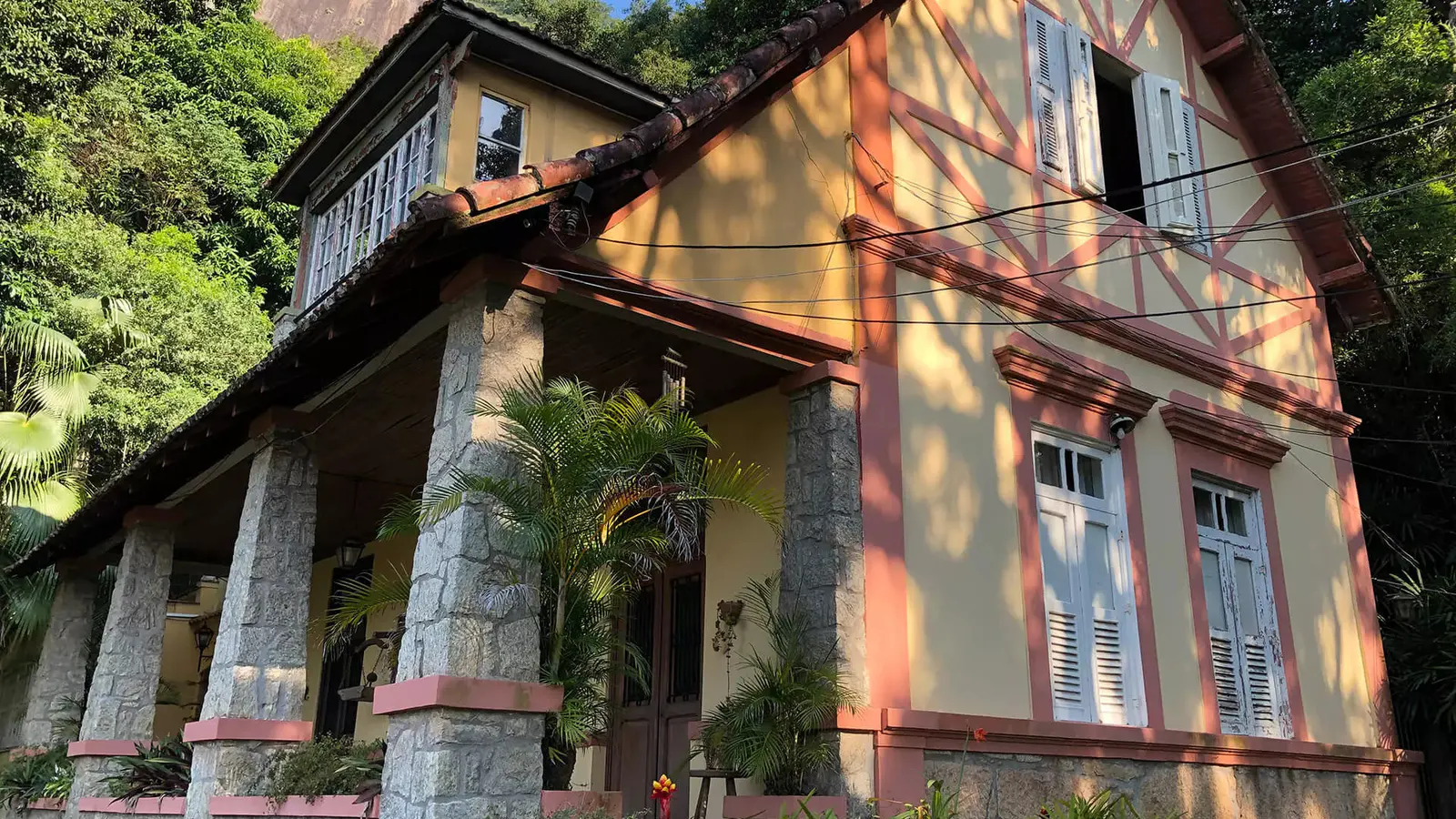
Casa Caminho do Corcovado
Stay by the feet of the Christ the Redeemer.
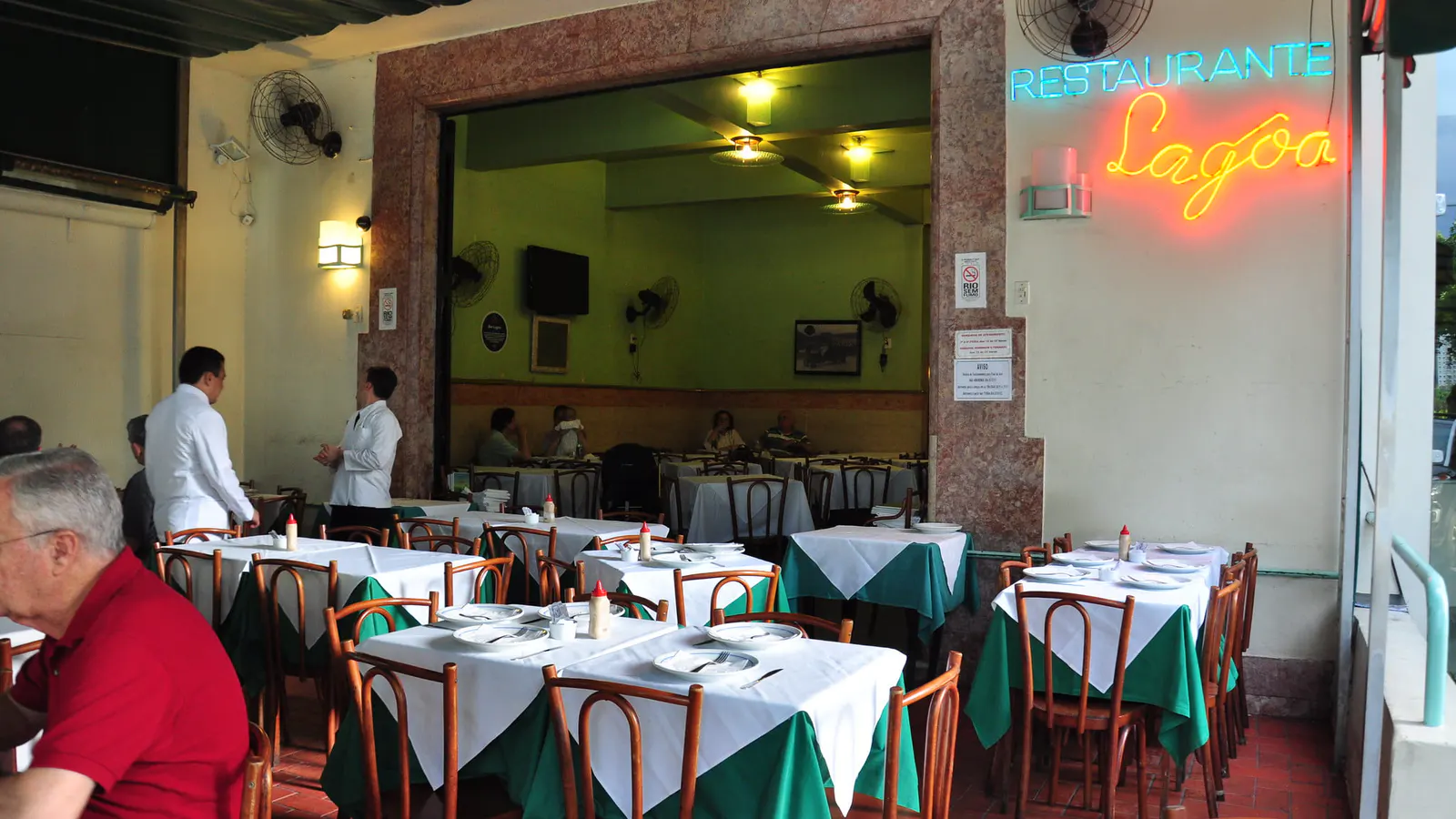
Bar Lagoa
Eighty years of tradition.
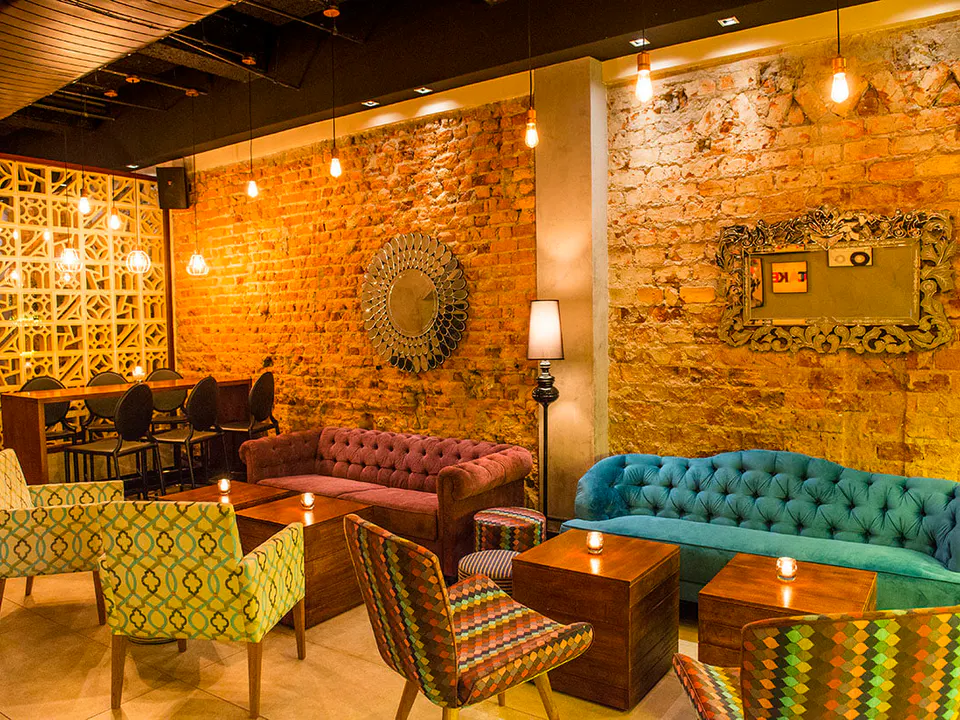
Garoa Bar Lounge
The Garoa Bar Lounge, a Spanish hip bar, opens its first branch at the Leblon betting on creative versions of gin and tonics.
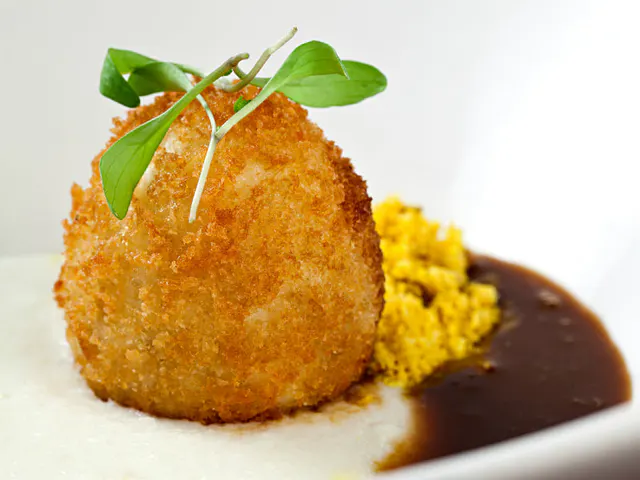
Quadrucci
For the italian food lovers.
Sushi Leblon
The house has been on Rua Dias Ferreira for three decades and has been a champion in the Japanese/Oriental category of the country's main gastronomy awards.
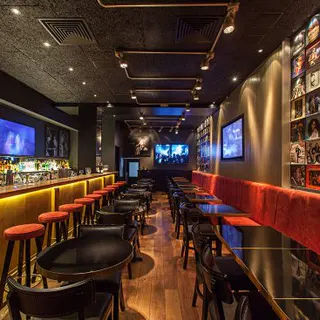
Vinyl Rio
In an intimate corner dedicated to lovers of good music and cocktails in the midst of the bustle of Rua Dias Ferreira.
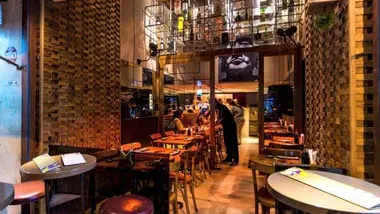
ENVÍDIA
Located in Dias Ferreira, Leblon’s most charming street.
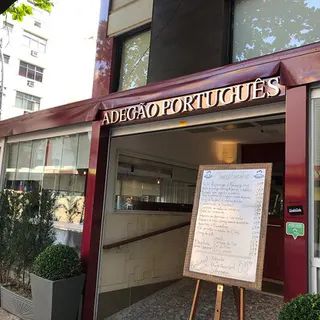
Portuguese Adegano - Ipanema
The house is known for serving dishes full of traditional Portuguese cuisine.
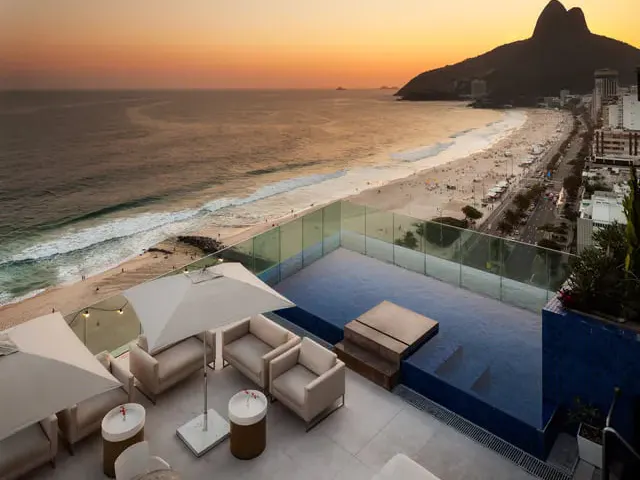
Praia Ipanema Hotel
A hotel facing the beach
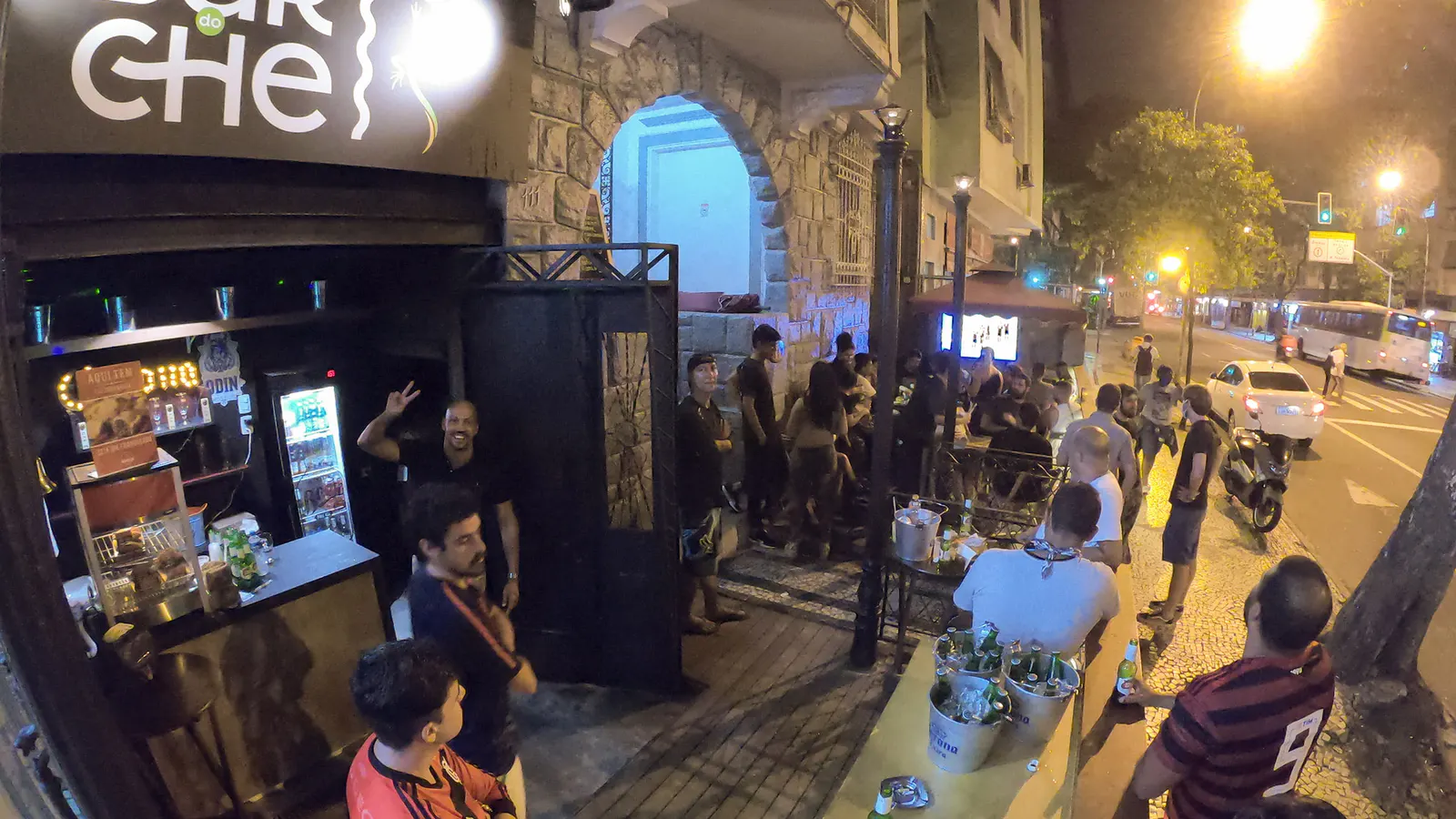
Che Lizarto Hostel Copacabana
Located in one of the main streets of Copacabana.
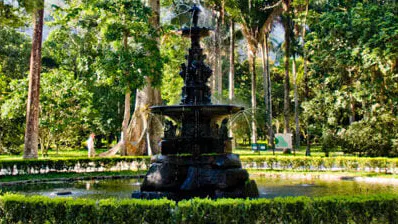
Jardim Botânico
The Botanical Garden of Rio de Janeiro is considered one of the most important and richest of the world.
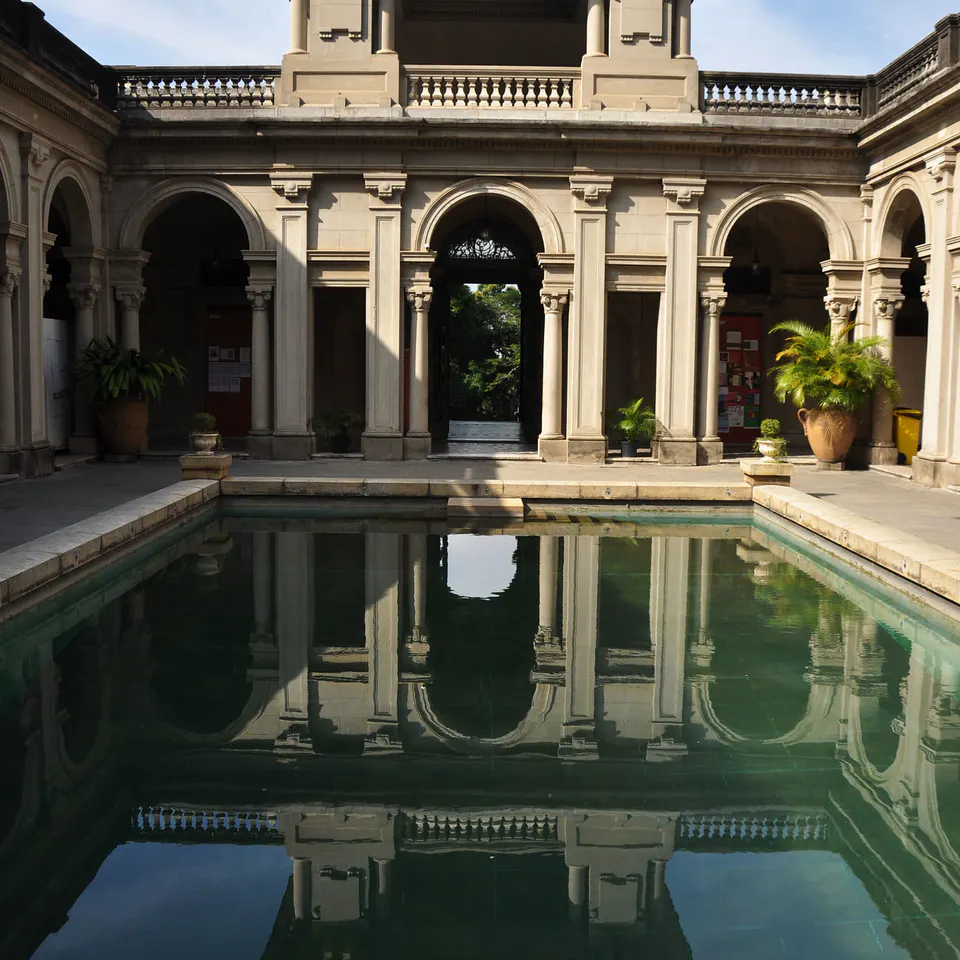
Parque Lage
At the foot of the Corcovado Mountain, Parque Lage delights with 52 hectares of pure green, cultural and art programs.
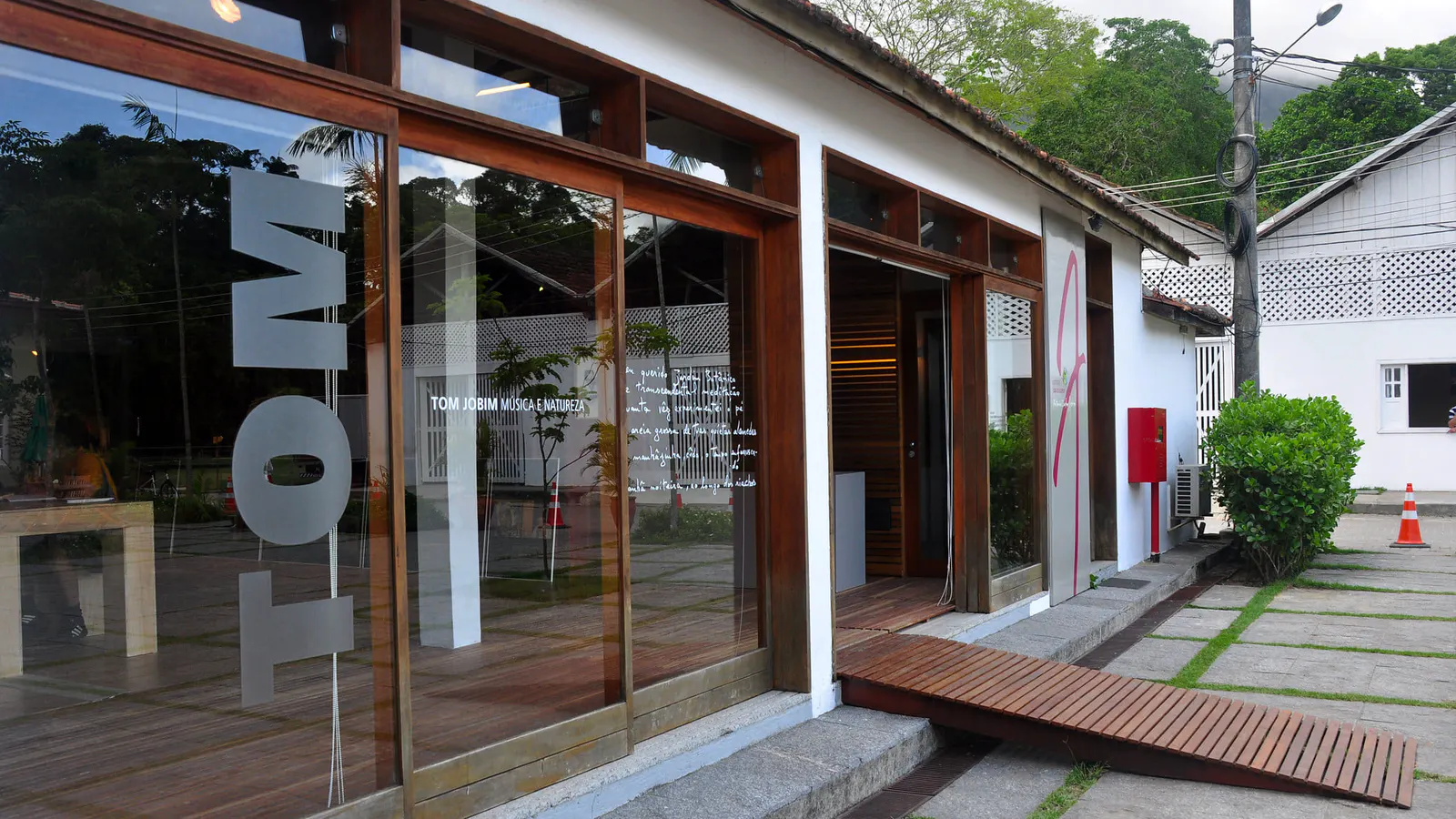
Espaço Tom Jobim - Cultura e Meio Ambiente
Espaço Tom Jobim (ETJ) is part of the cultural corridor of Rio de Janeiro Botanical Garden.
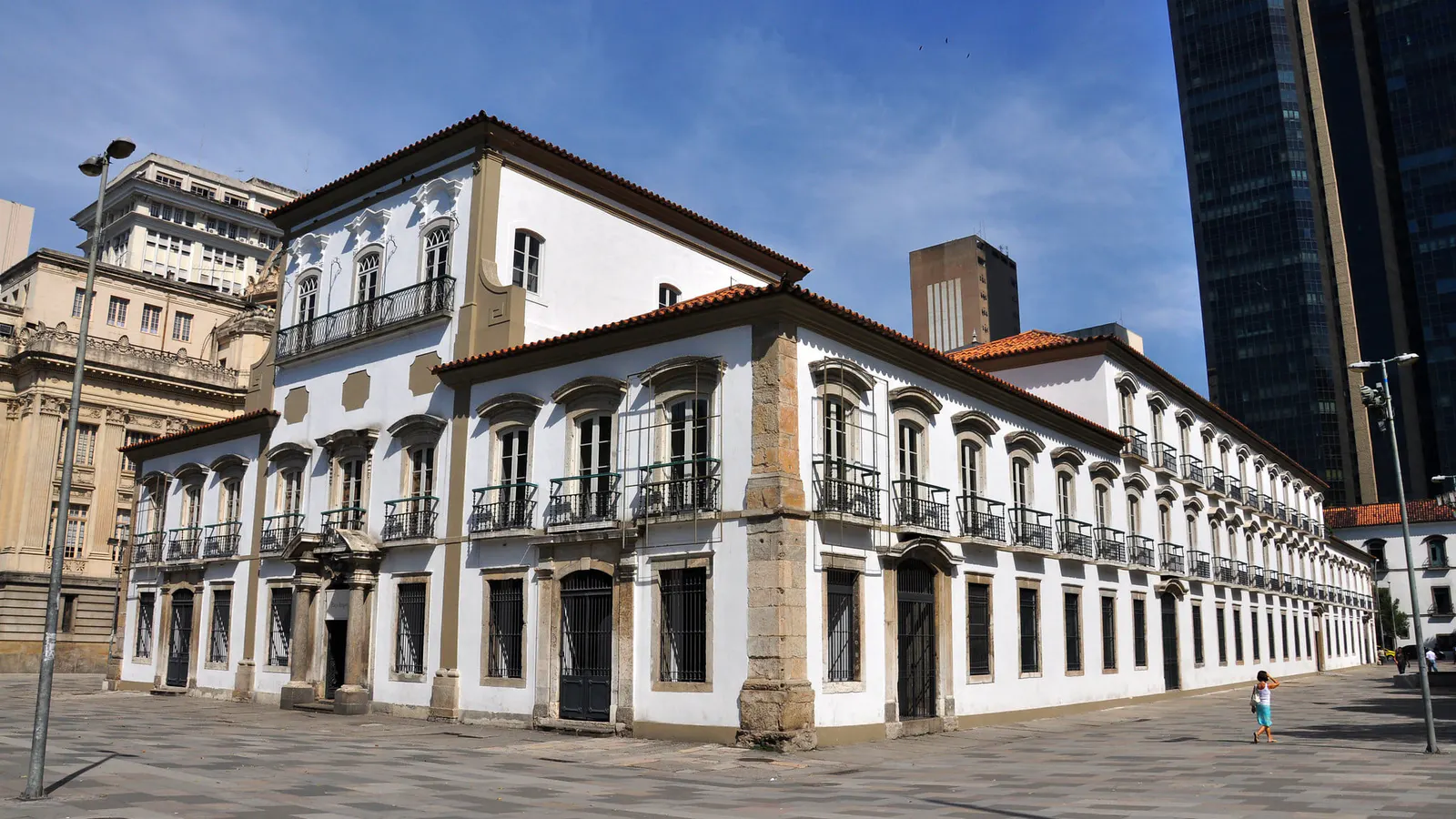
The Imperial Palace Cultural Center
Built in 1743, first it was used as the Viceroys’ house of Brazil.
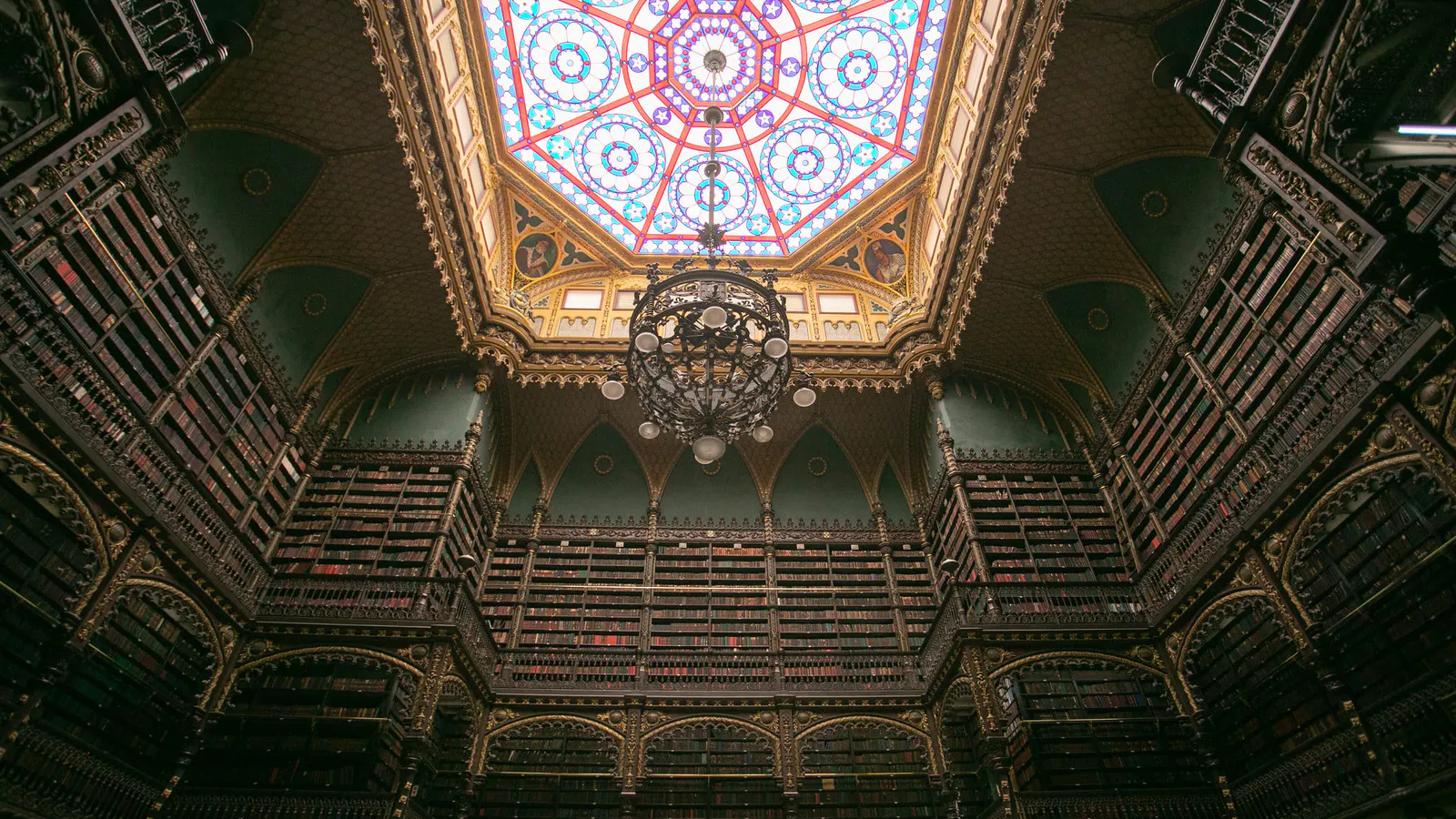
Real Gabinete Português de Leitura
Founded on May 14th 1837, the Room emerged aiming at offering to all compatriots living in Rio, access to their native country publishing.

Bistrô do Paço
Delightful café located in Paço Imperial.
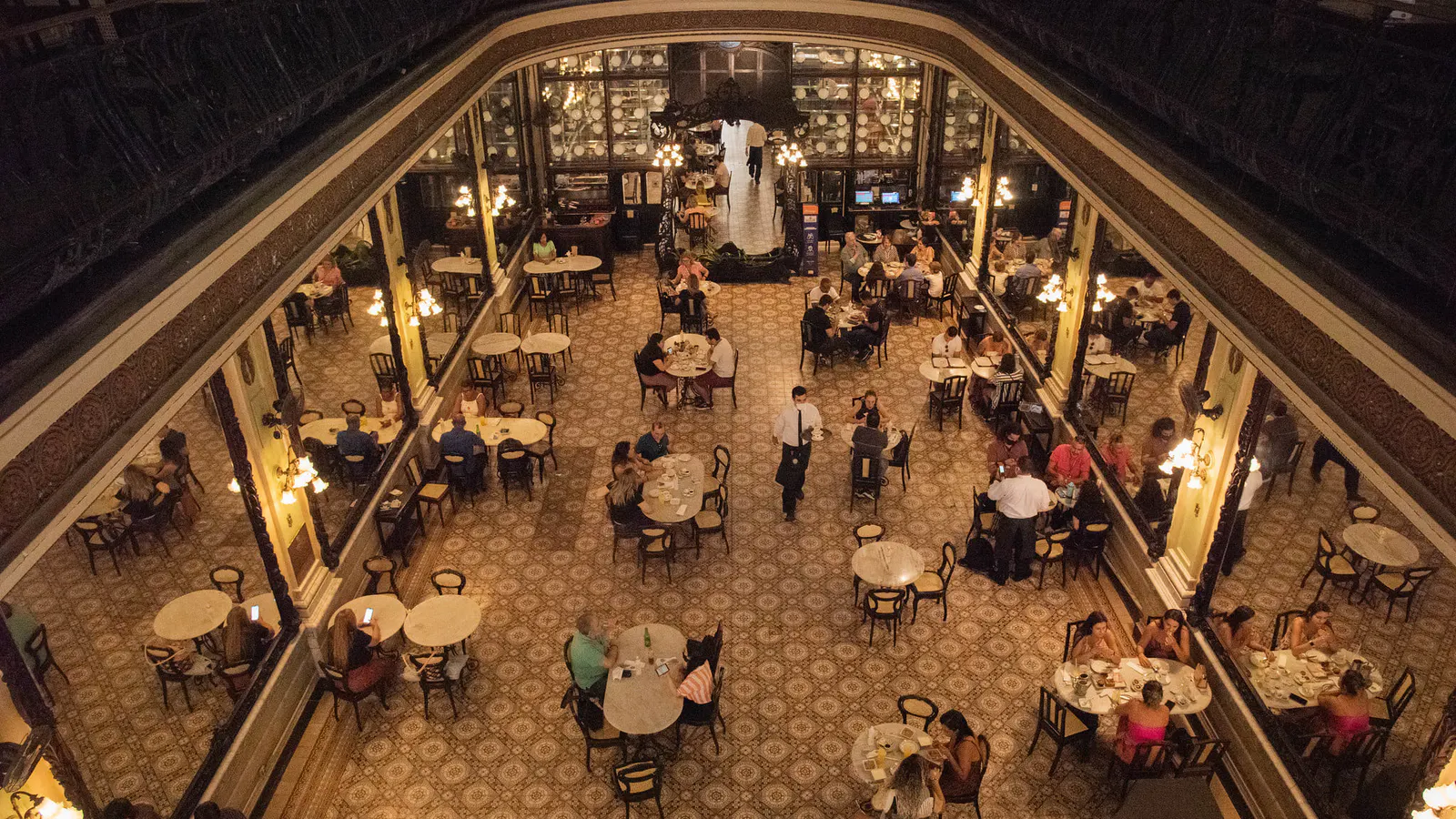
Confeitaria Colombo
Cultural and Artistic Heritage of Rio with a tradition of over 120 years.
Be Carioca Tour
Meet another part of Rio.
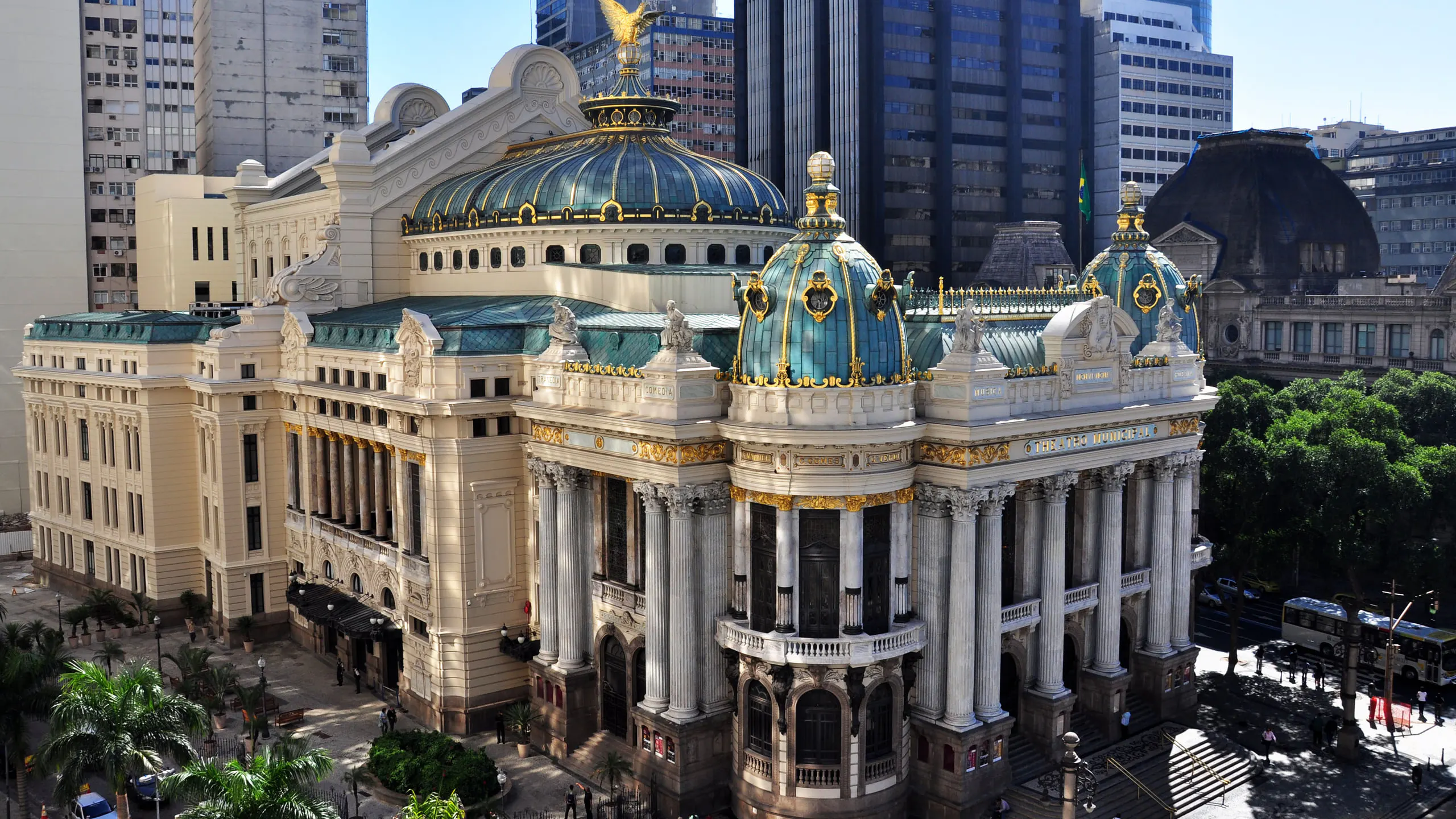
Municipal Theater
The imposing century construction calls the attention of those who pass by Cinelandia.
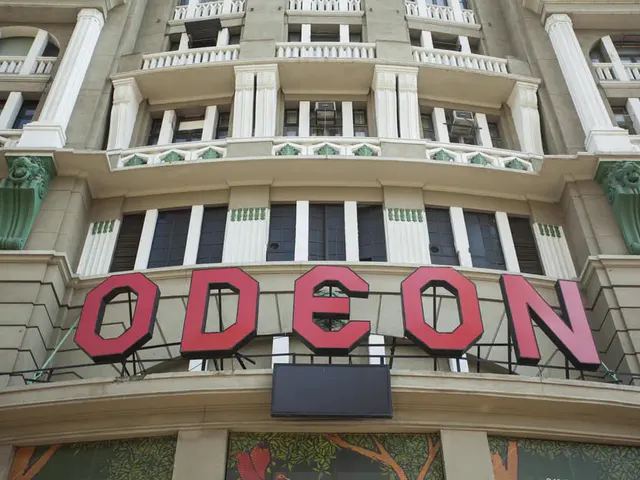
Cine Odeon - Centro Cultural Luiz Severiano Ribeiro
Tradition in the form of cinema.
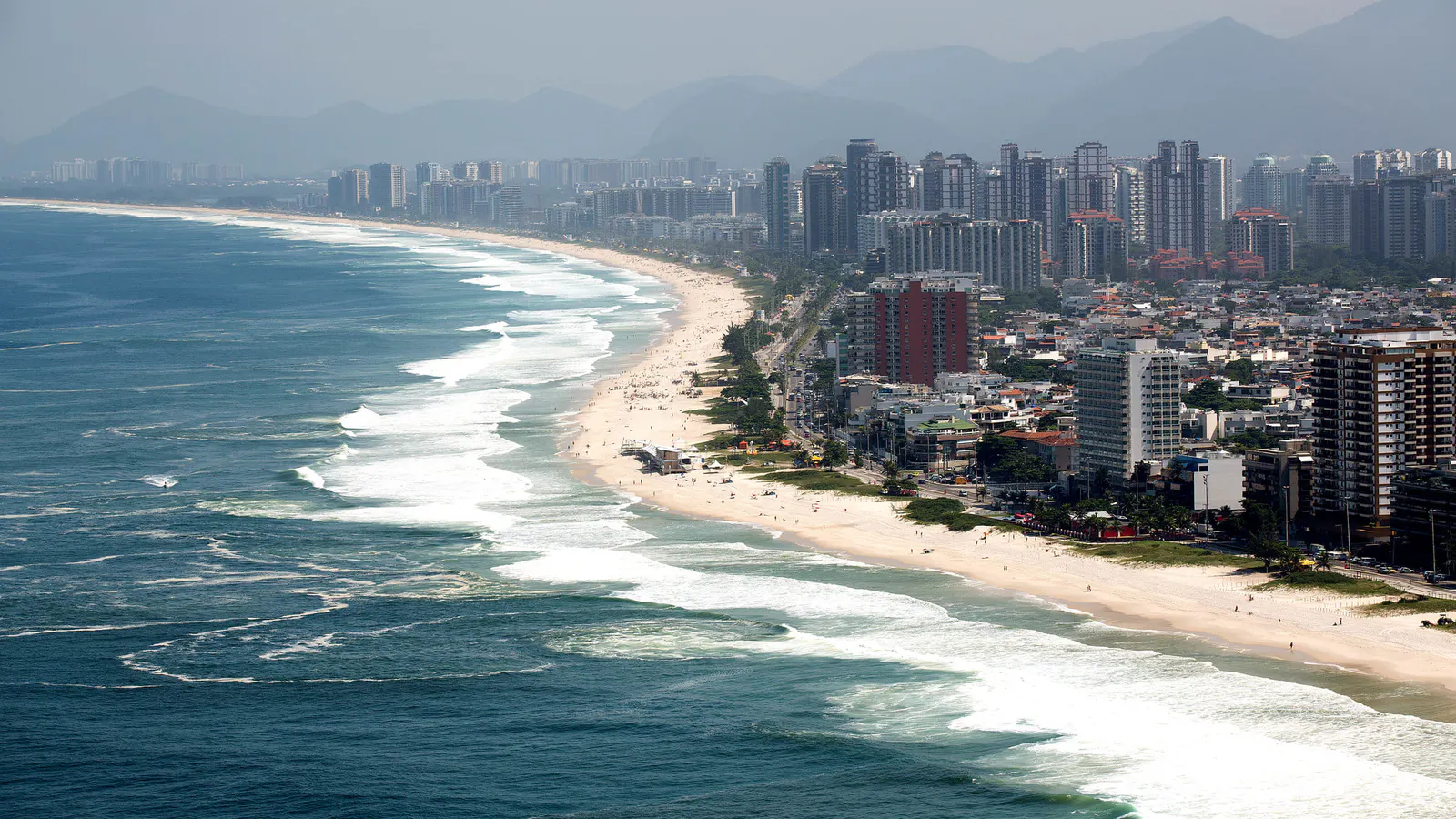
Barra da Tijuca
With 14.4 km of extension, the biggest carioca beach, delights the ones who goes from Lúcio Costa Avenue to Recreio.
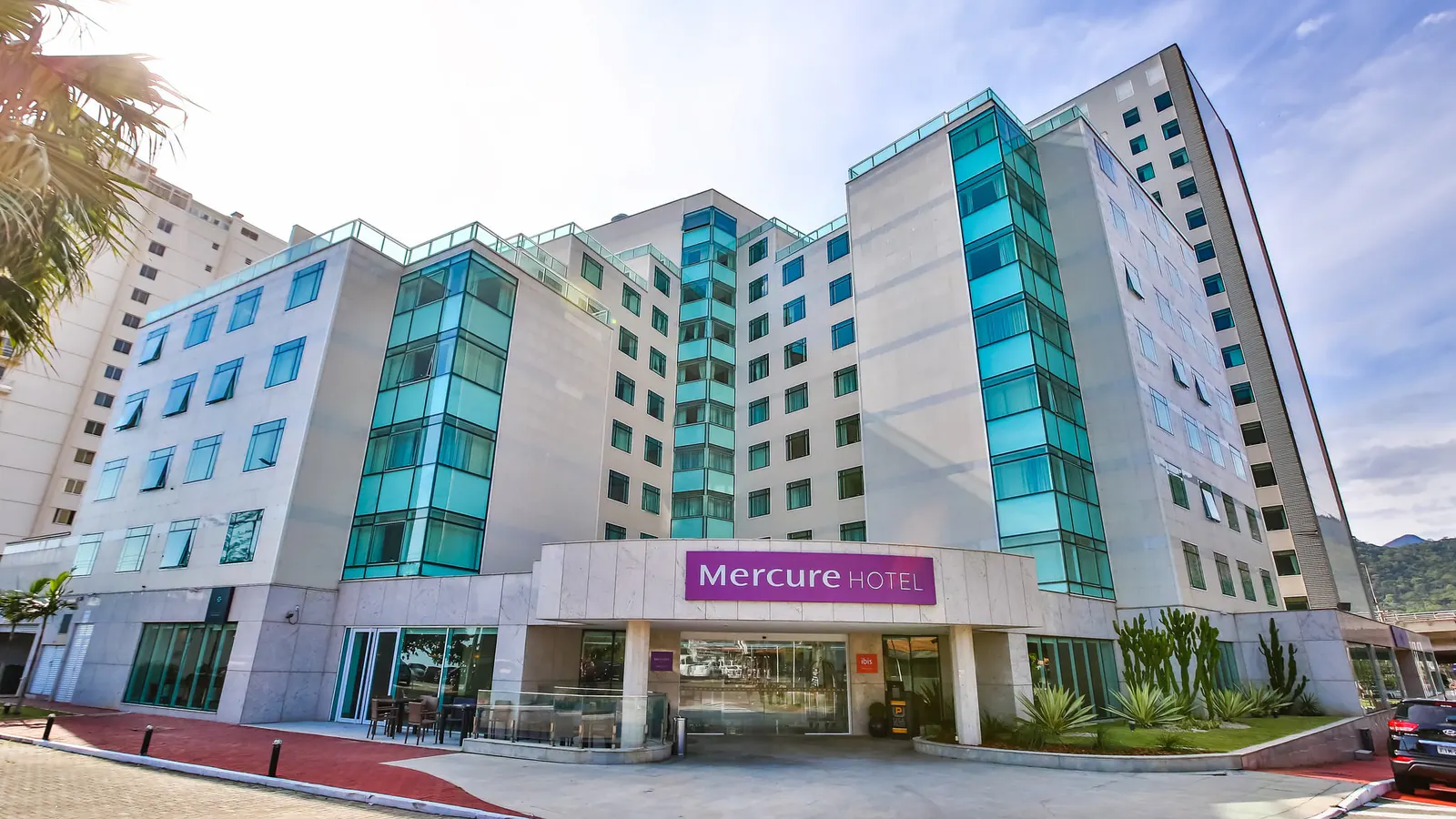
Mercure Barra
Located on the famous Pepê beach.
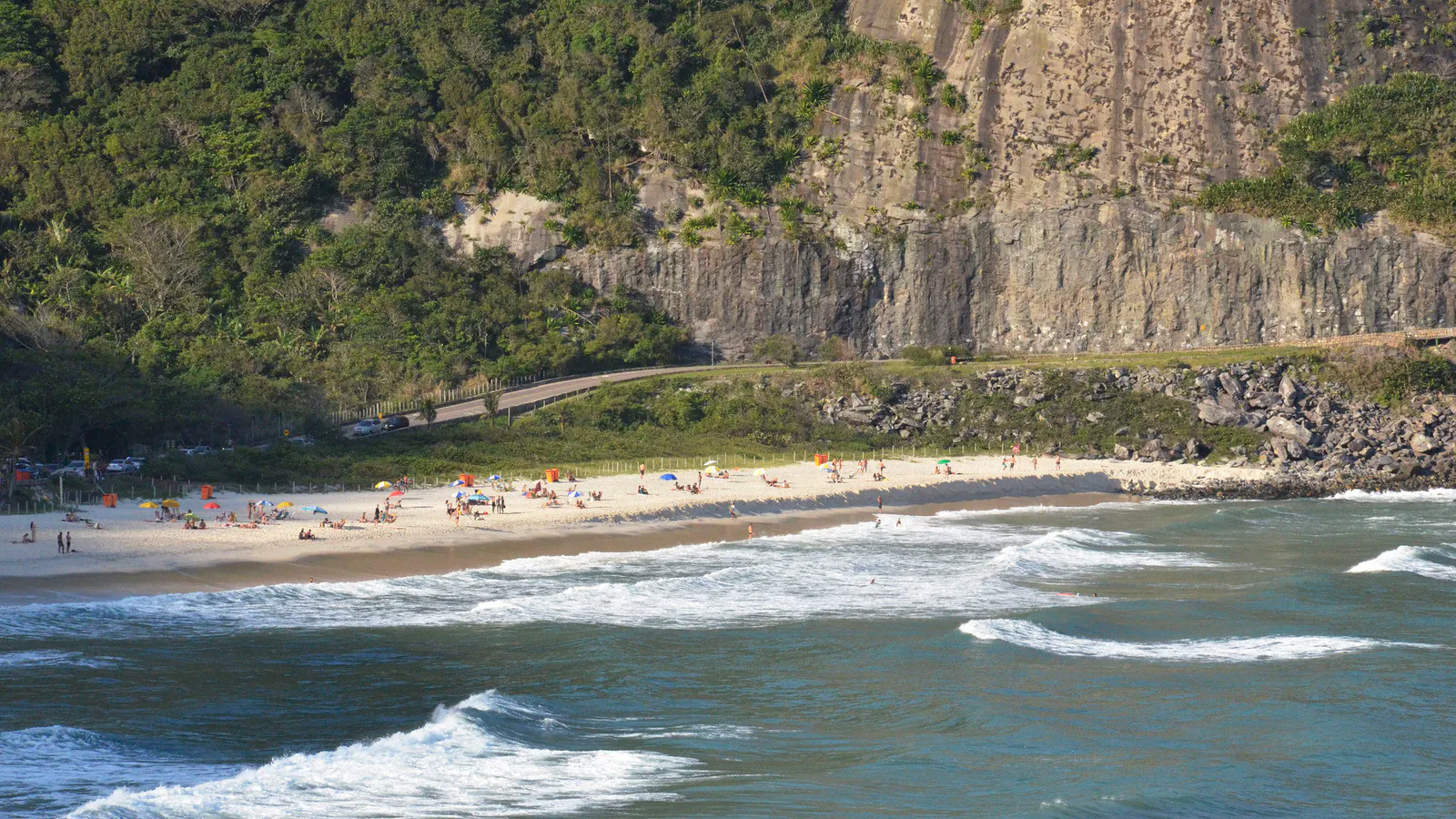
Prainha
A small strip of sand with 700m of strong sea extension, located at the end of Recreio beach.
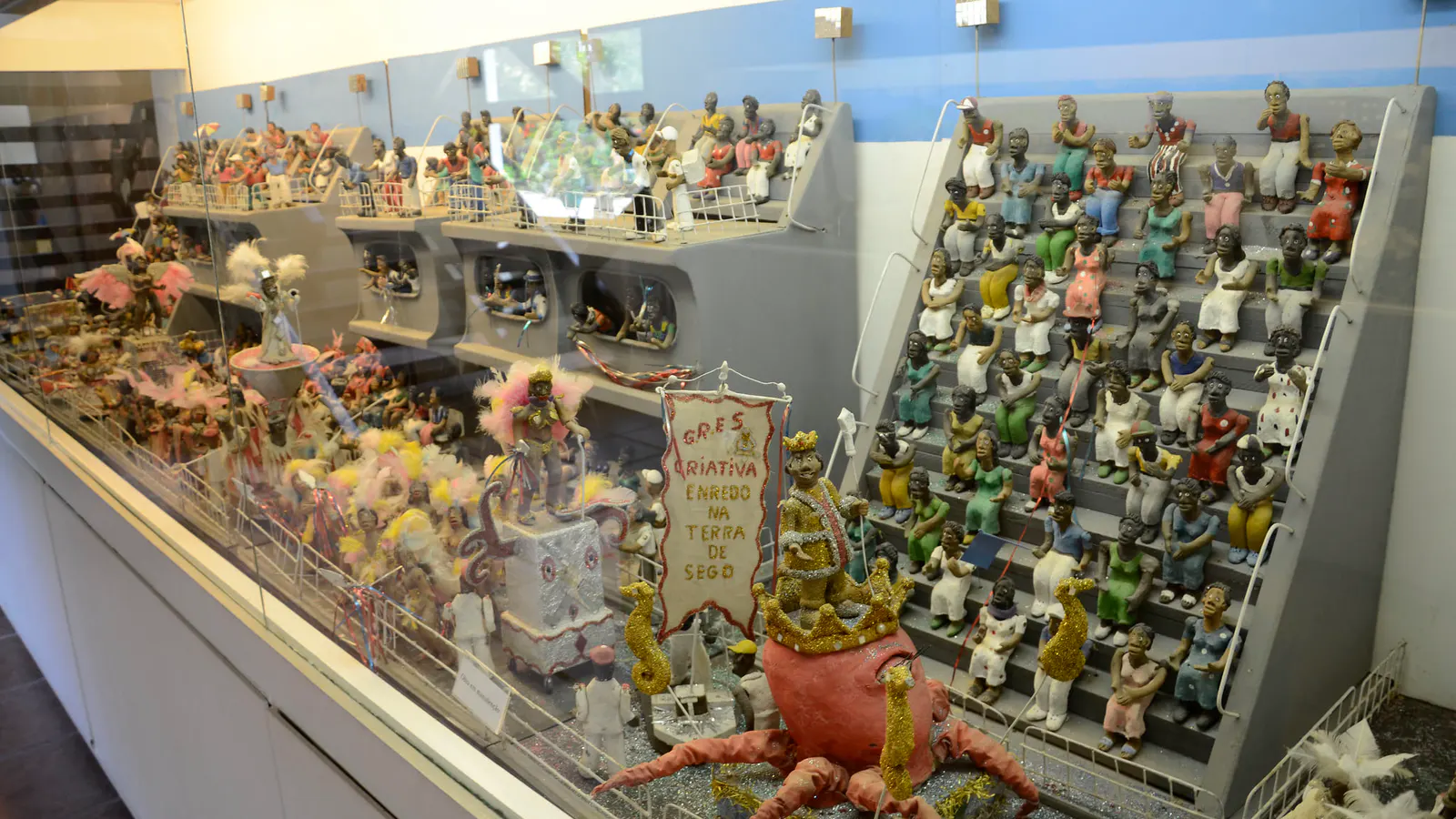
The Pontal Museum
O Museu Casa do Pontal is the Brazilian most significative popular art museum, and is located in an ecological reserve.
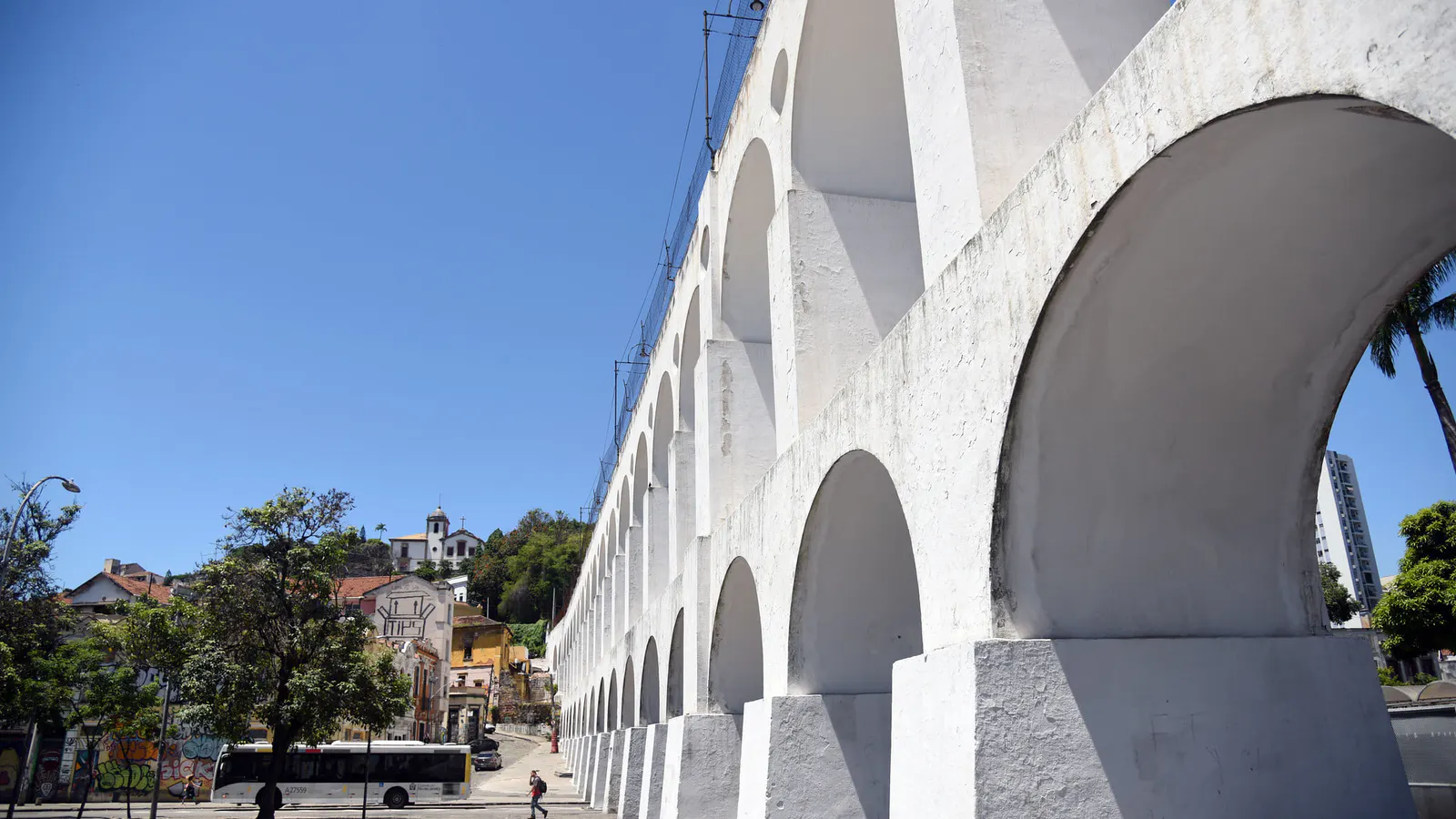
Lapa Arches
The main symbol of the bohemian neighborhood.
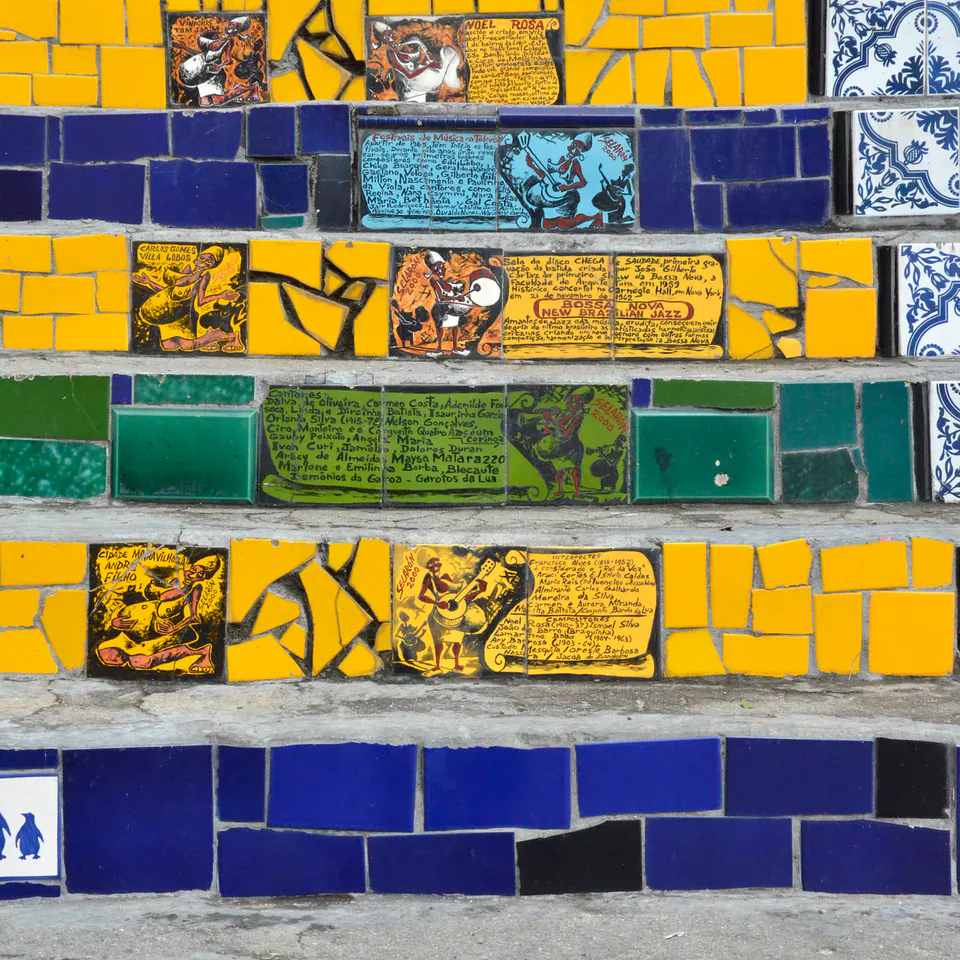
Escadaria Selarón (Lapa Steps)
In 1990, Selarón began the work on the staircase, which would later become one of the city's iconic landmarks.
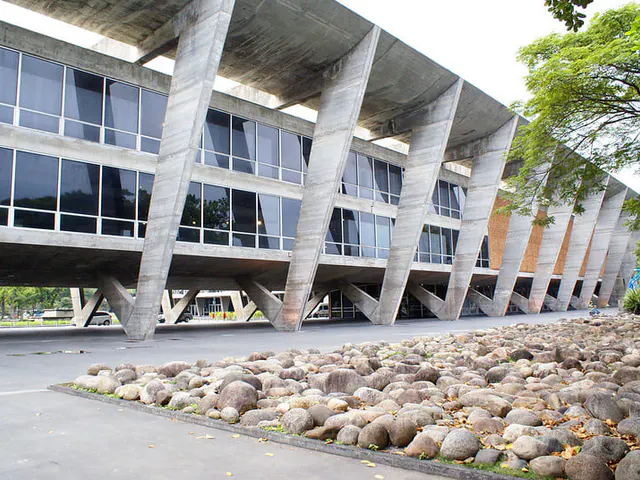
MAM - The Modern Art Museum
The Modern Art museum of Rio de Janeiro.
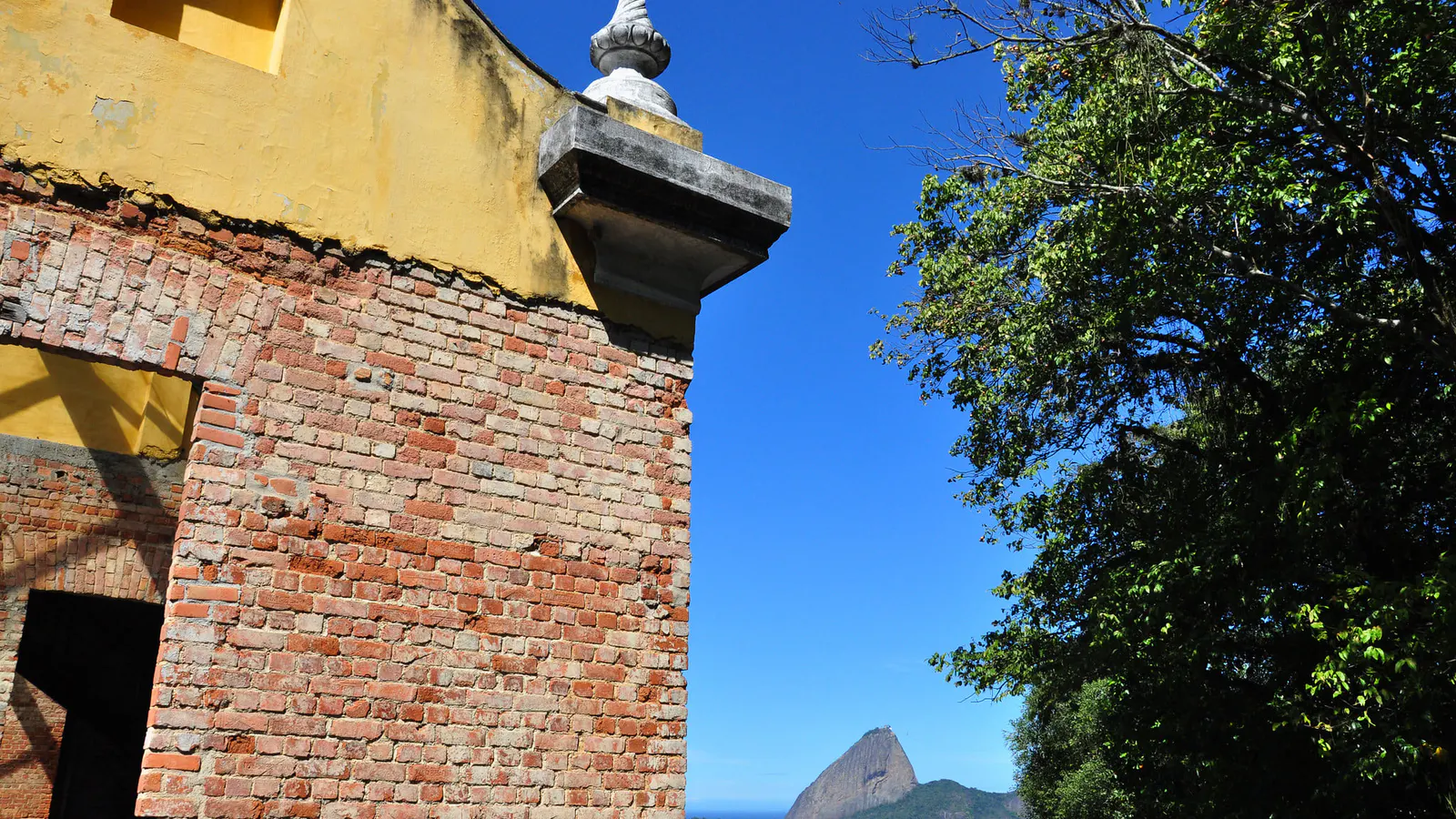
Parque das Ruínas
Located in Santa Teresa hill, Parque das Ruínas have one of the most beautiful view of the neighborhood and a Cultural Centre with programming for all the family.
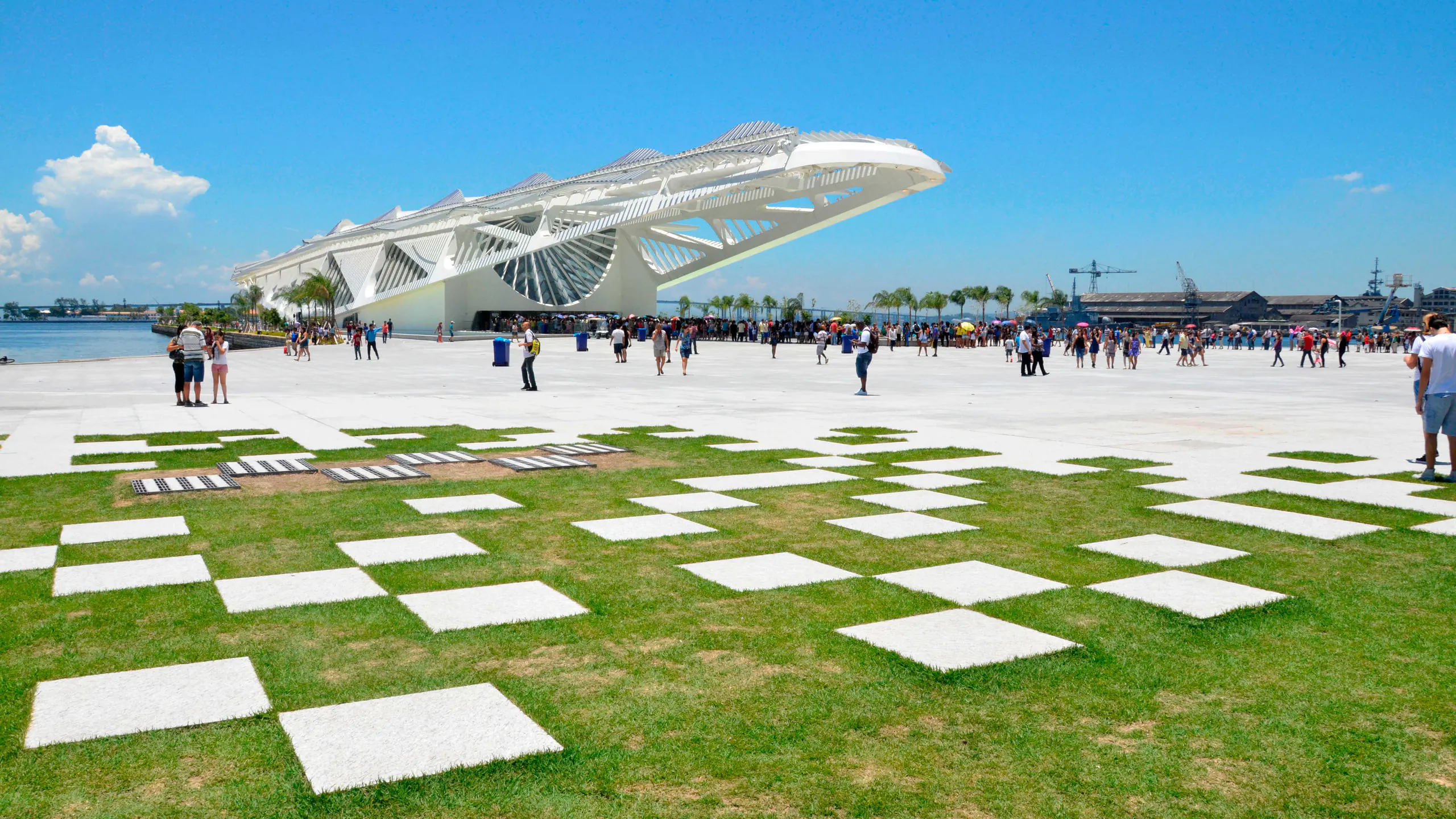
Museu do Amanhã (Museum of Tomorrow)
The new museum in the Port Zone studies the future of the world and presents possibilities for transformations.


