

Unstoppable in Rio
The postcards of Rio de Janeiro: places not to lose.
In this collection
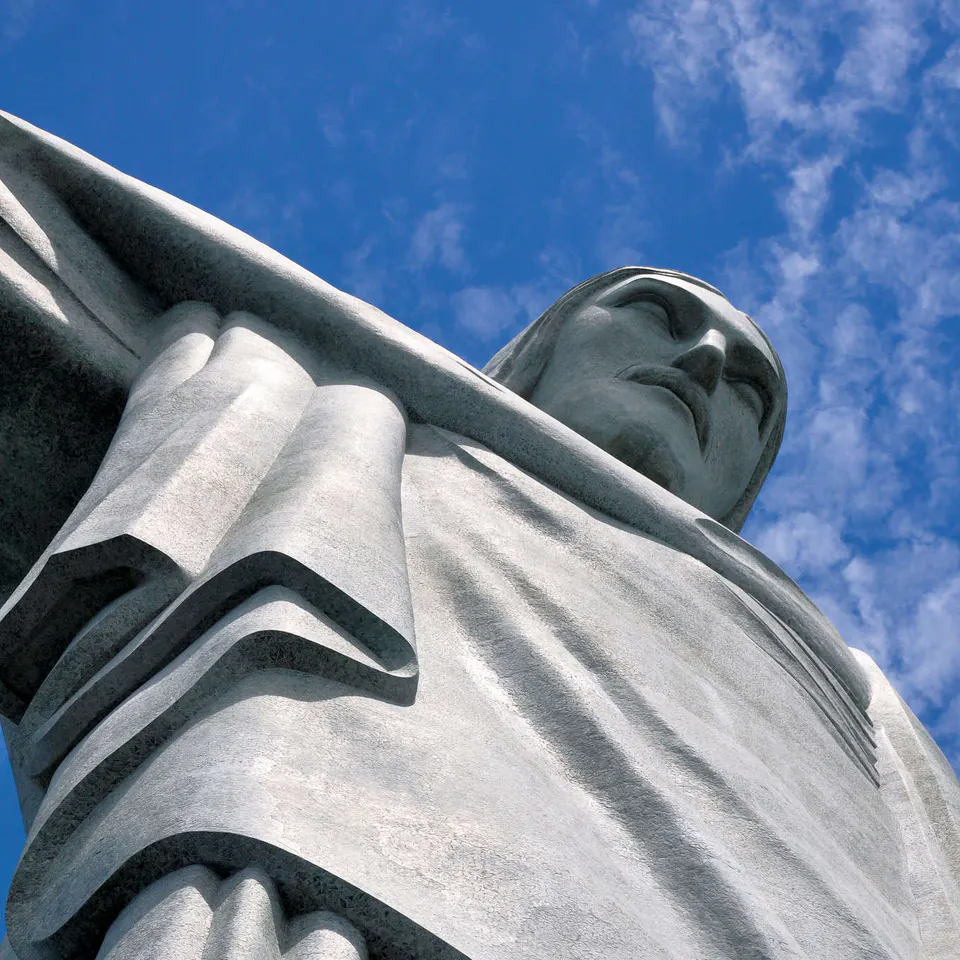
Cristo Redentor
With arms open wide over Guanabara bay, Christ the Redeemer receives the visitants and bless the cariocas.
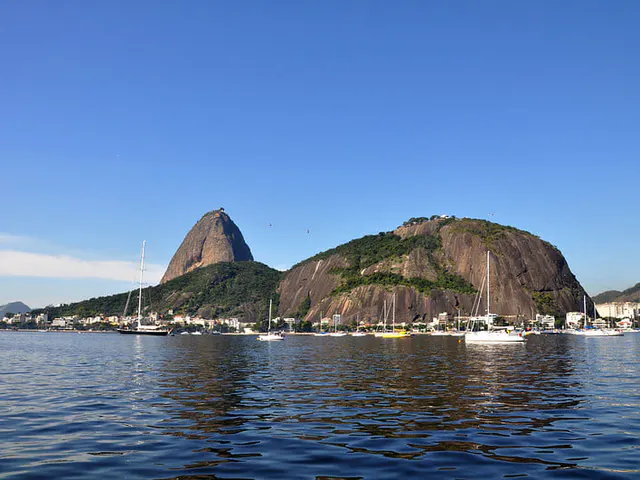
Sugarloaf
One of the most beautiful post-cards of Rio de Janeiro offers a gorgeous view of the whole city.
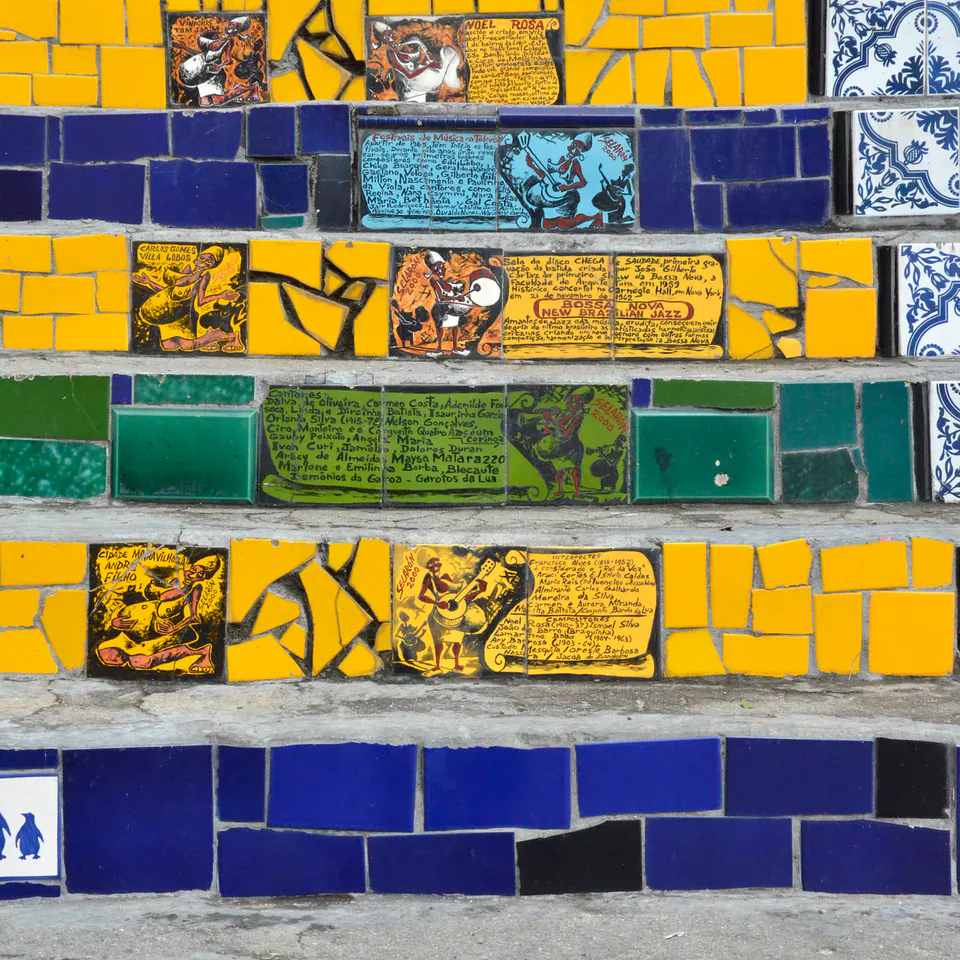
Escadaria Selarón (Lapa Steps)
In 1990, Selarón began the work on the staircase, which would later become one of the city's iconic landmarks.
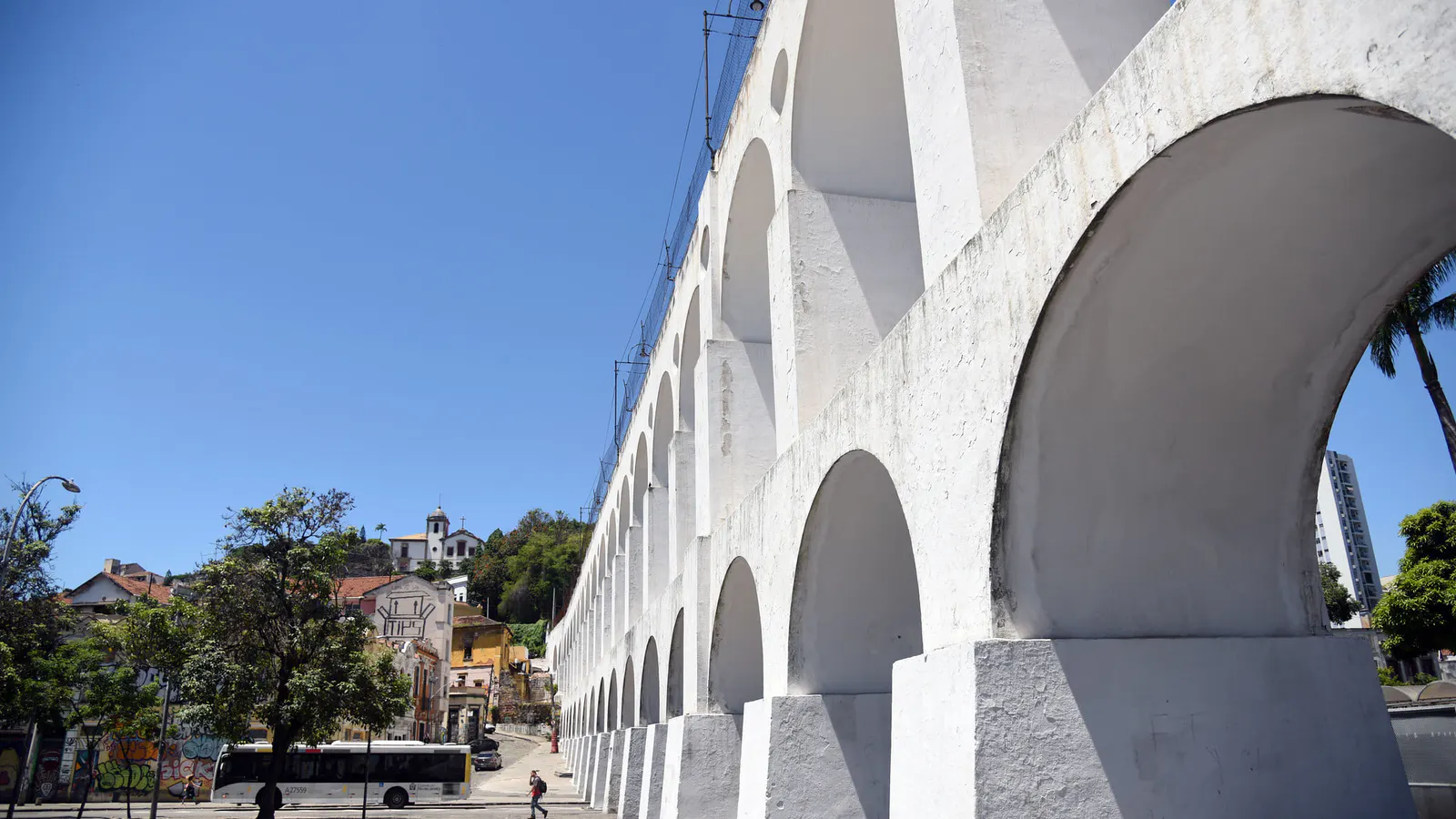
Lapa Arches
The main symbol of the bohemian neighborhood.
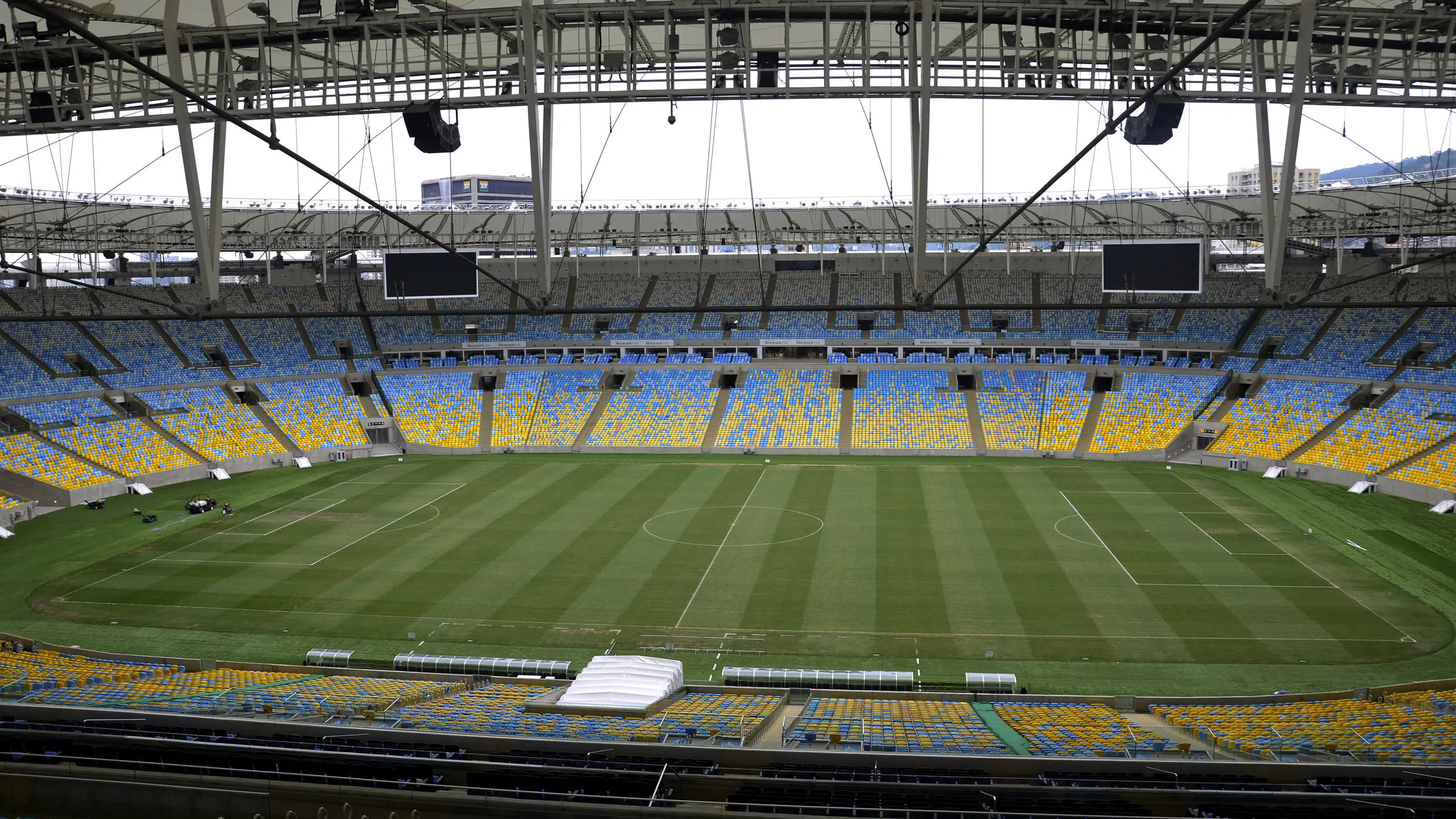
Maracanã Stadium
Maracanã is the maximum soccer Brazilian temple.
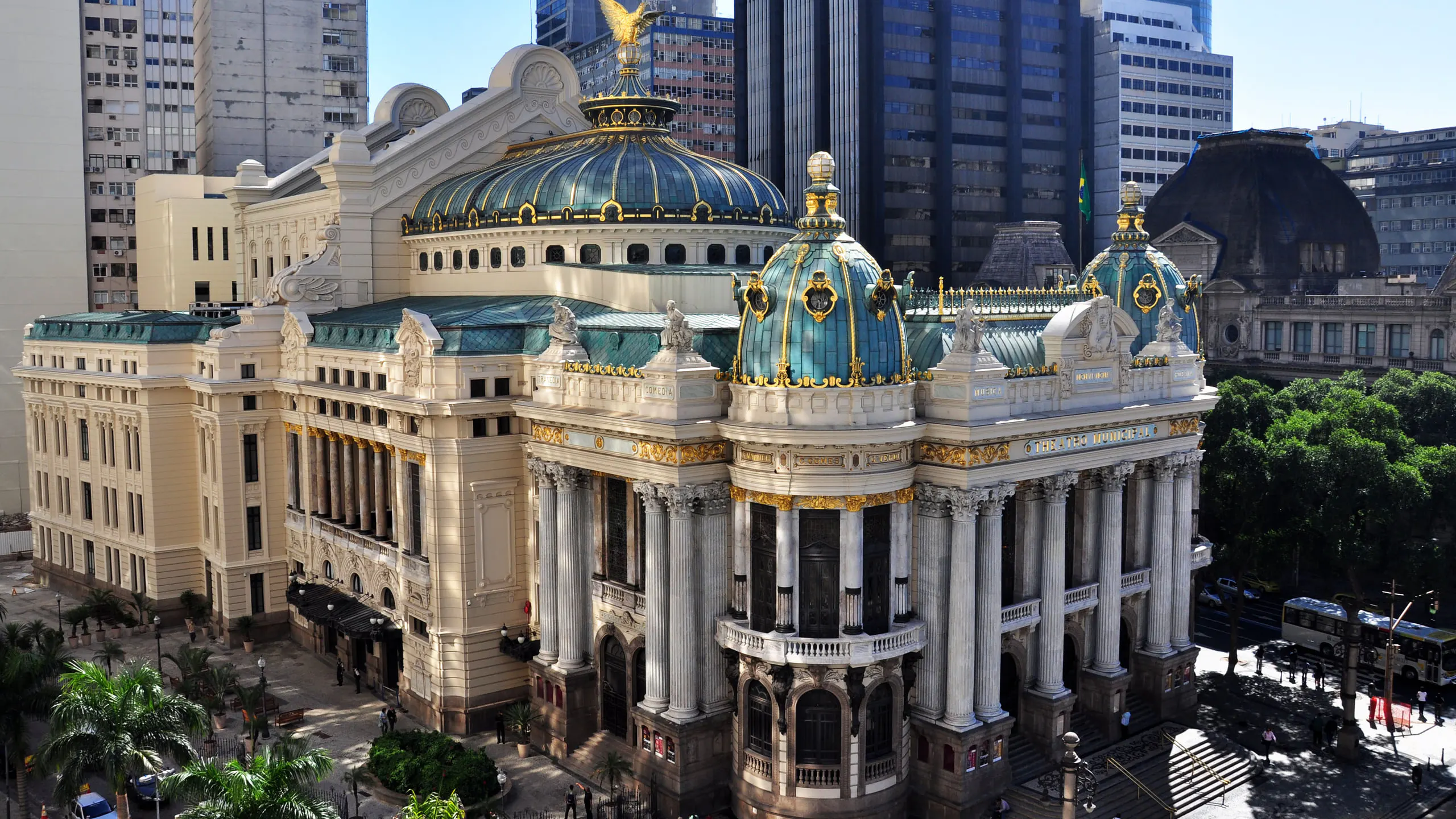
Municipal Theater
The imposing century construction calls the attention of those who pass by Cinelandia.
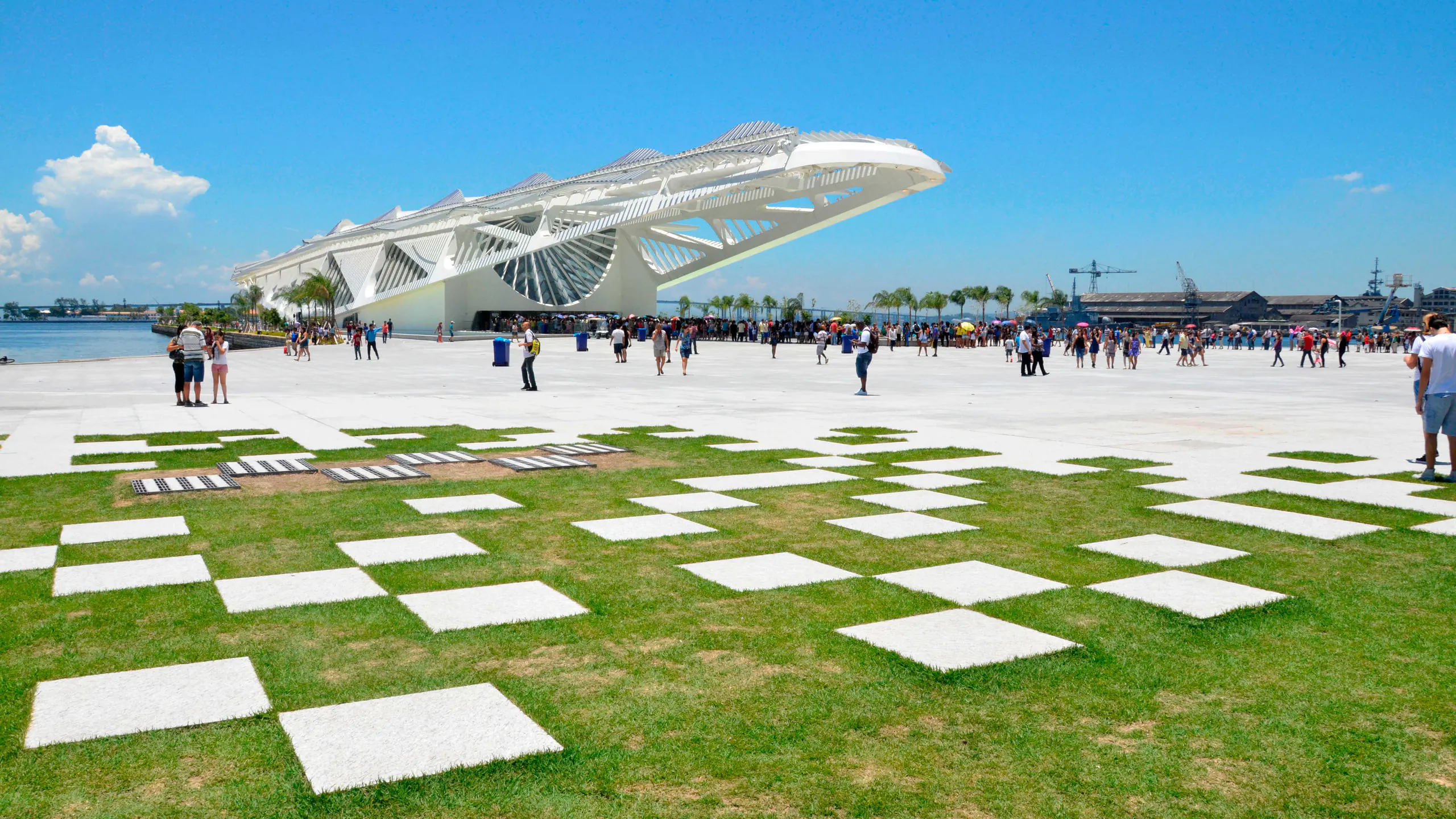
Museu do Amanhã (Museum of Tomorrow)
The new museum in the Port Zone studies the future of the world and presents possibilities for transformations.
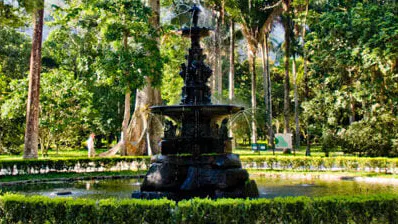
Jardim Botânico
The Botanical Garden of Rio de Janeiro is considered one of the most important and richest of the world.
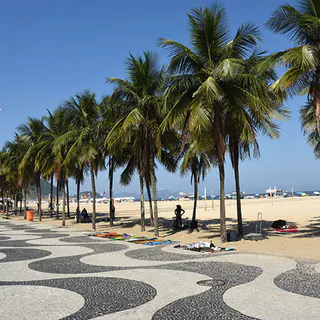
Copacabana and Leme
Considered two of the most famous beaches in the world, together they have 4,15km extension accompanying the Atlantica Avenue to the Copacabana Fort.
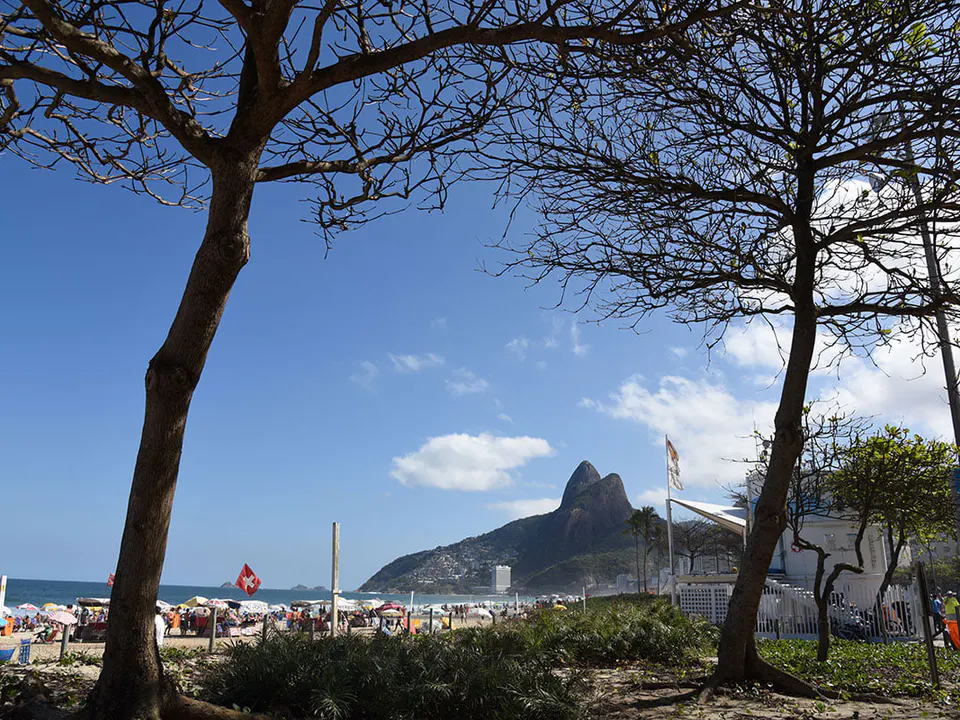
Ipanema
It has 2 kilometers of beach between Arpoador and Jardim de Alá. Famous for concentrating beautiful people on the sand and the eternal "girl from Ipanema".
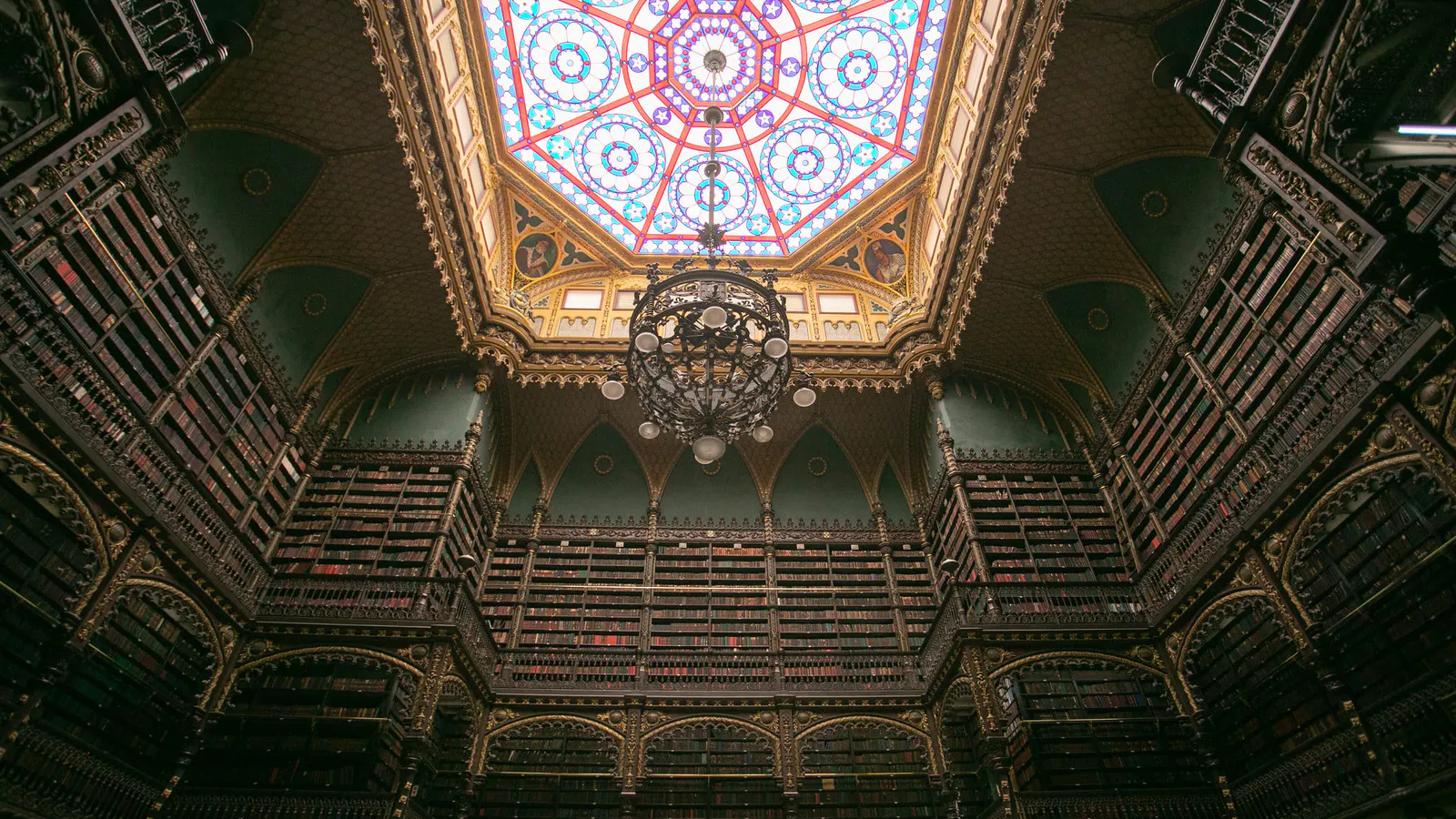
Real Gabinete Português de Leitura
Founded on May 14th 1837, the Room emerged aiming at offering to all compatriots living in Rio, access to their native country publishing.
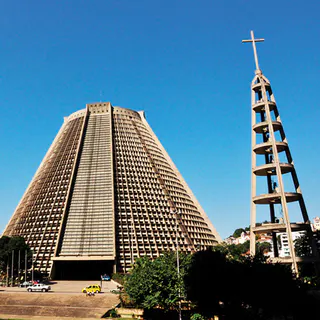
Metropolitan Cathedral of St Sebastian
the Metropolitan Cathedral of São Sebastião do Rio de Janeiro, the faith rises in architectural splendour, uniting the divine and the human in a symphony of stained glass and pillars that echo with the eternal search for transcendence
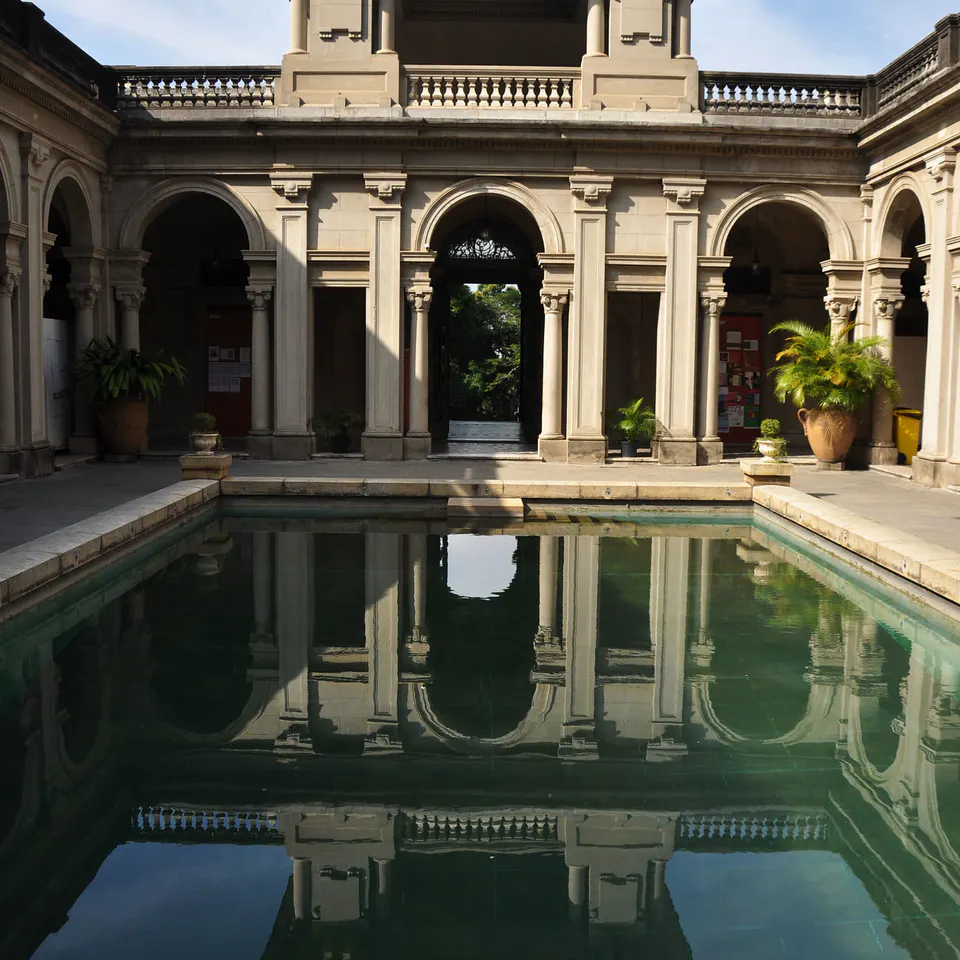
Parque Lage
At the foot of the Corcovado Mountain, Parque Lage delights with 52 hectares of pure green, cultural and art programs.
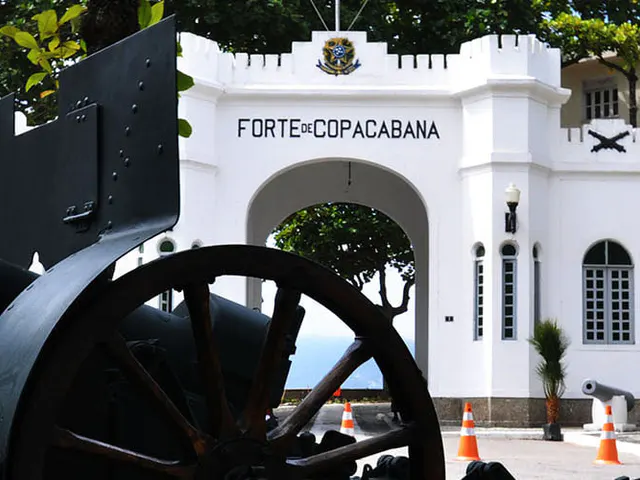
Army Historical Museum and Copacabana Fort
Copacabana’s fort was built with the intention to reinforce Guanabara’s Bay defense.
Ilha Fiscal
The setting for the event that became known as “The Last Ball of the Empire”, held a few days before the Proclamation of the Republic, Ilha Fiscal continues to be a link between the present and the past. The specialized guides who accompany the visiting groups, in addition to showing the halls…
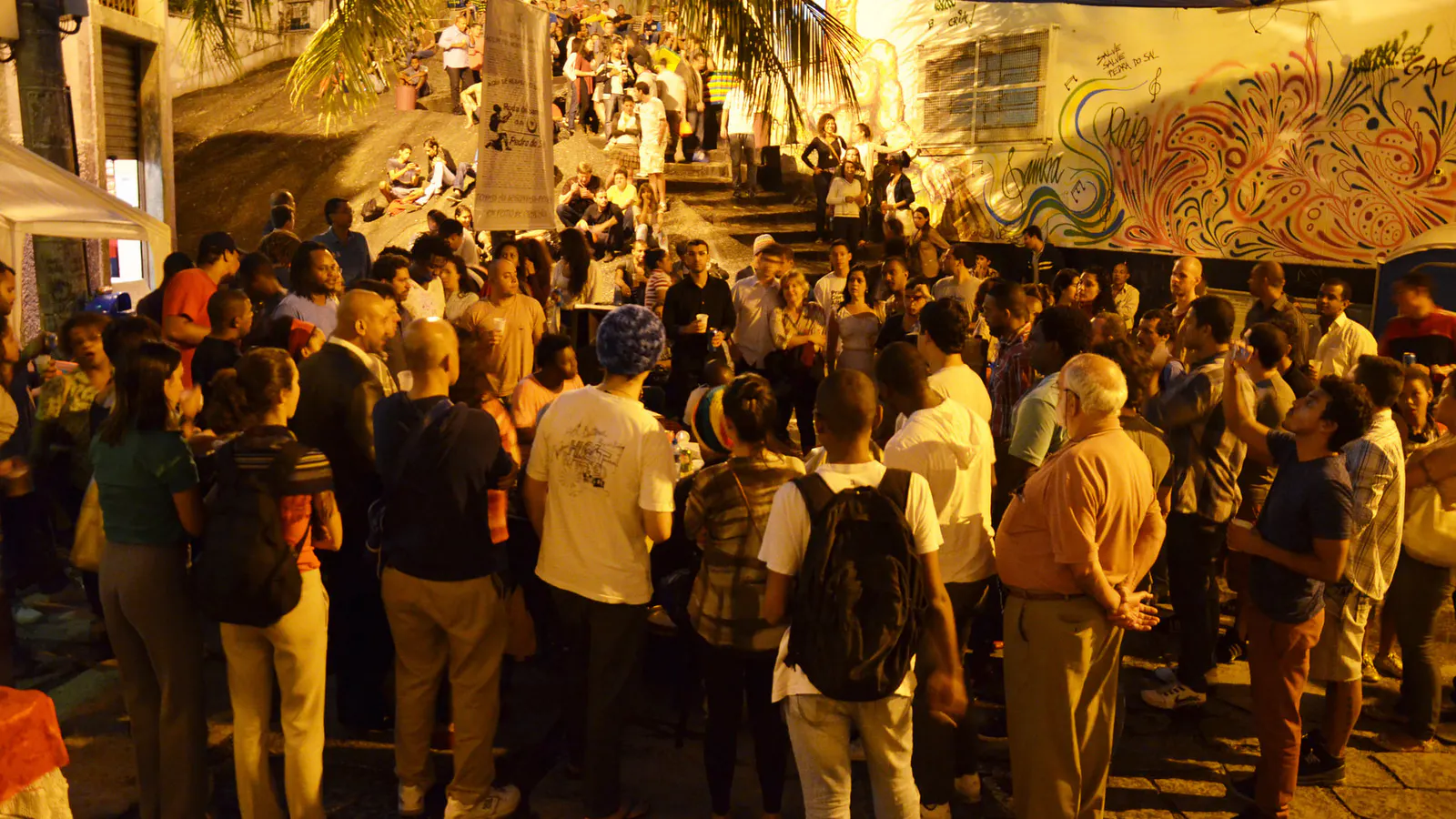
Pedra do Sal
The way they like: Samba groups, cold beer and friends together.
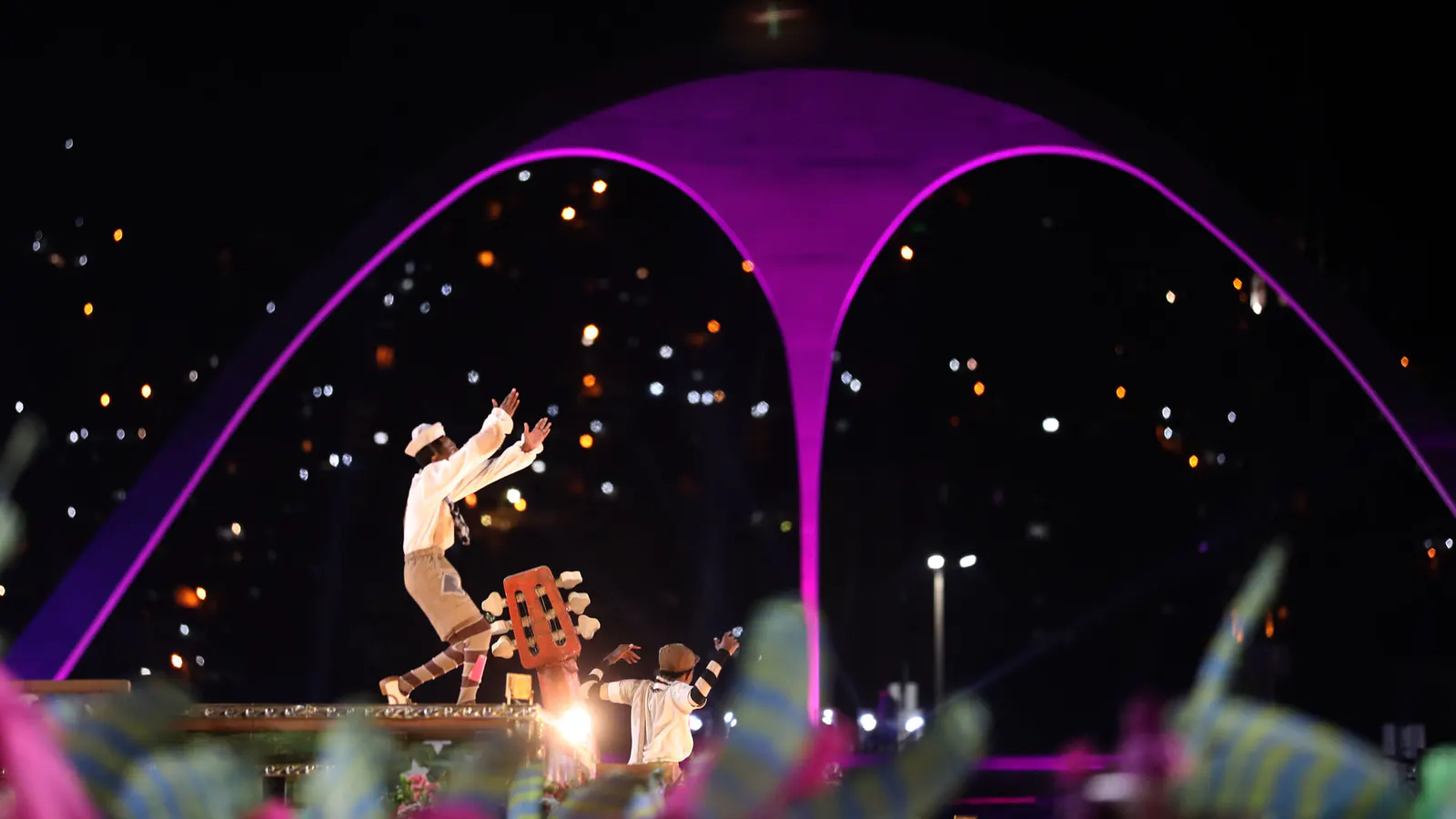
Sambódromo (Passarela Professor Darcy Ribeiro)
The place where the greatest show on Earth takes place.
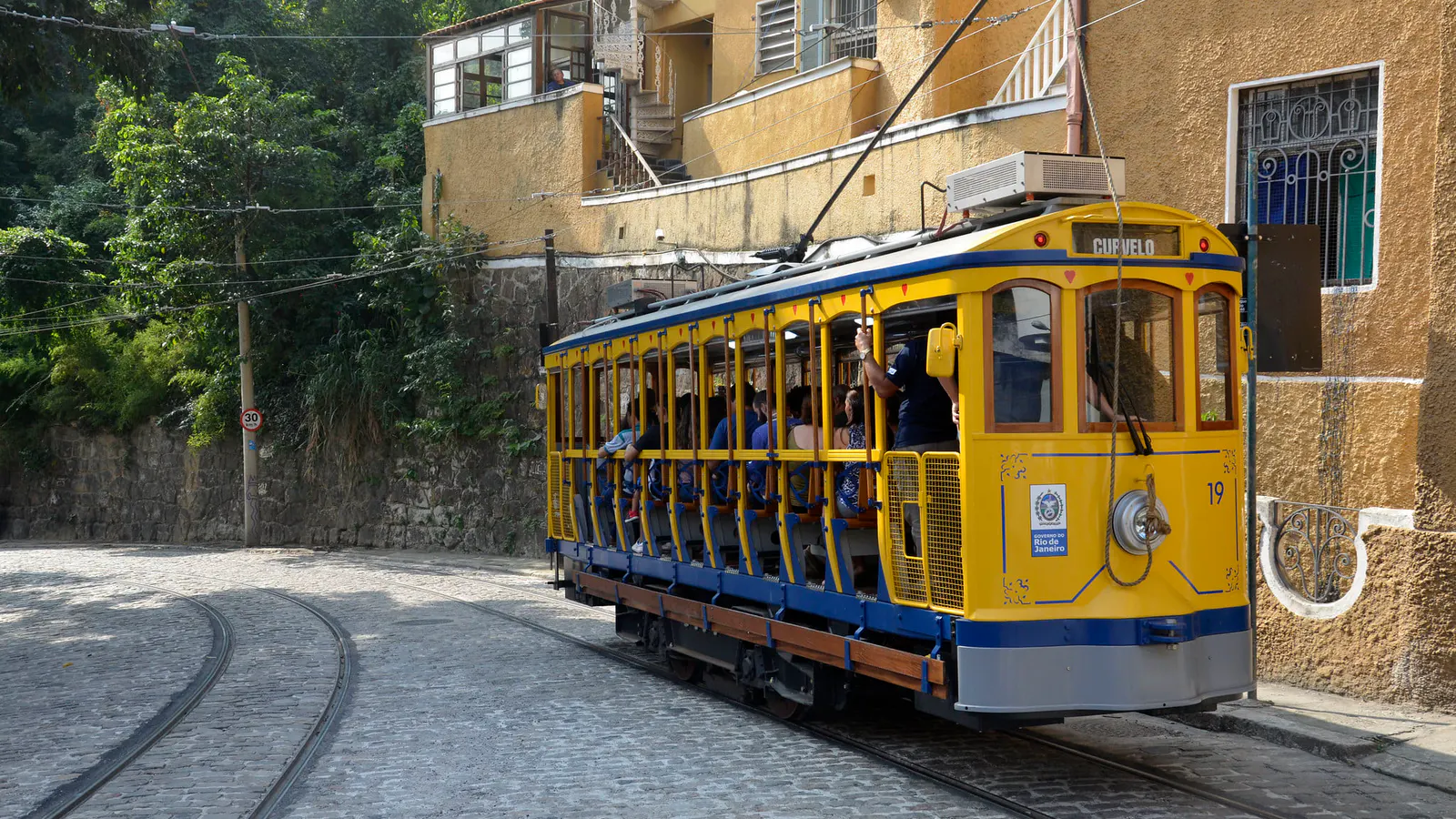
Santa Teresa Tram
The journey connects the downtown area to Santa Teresa, passing through the Arcos da Lapa.
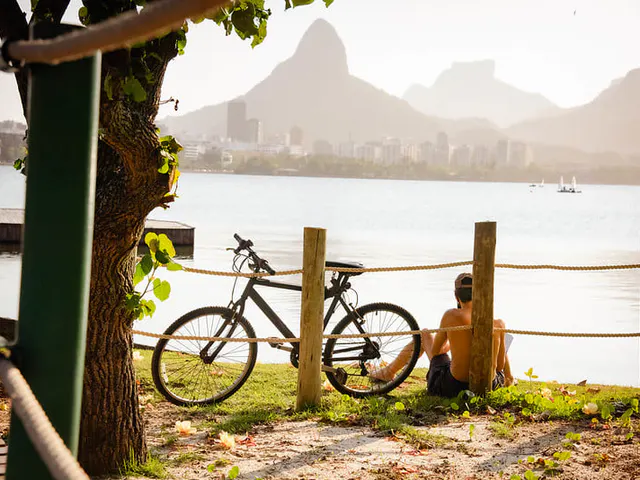
Lagoa Rodrigo de Freitas
Over the quiet waters of Rodrigo de Freitas Lagoon, cariocas and visitants practice sports, make picnic and relax.
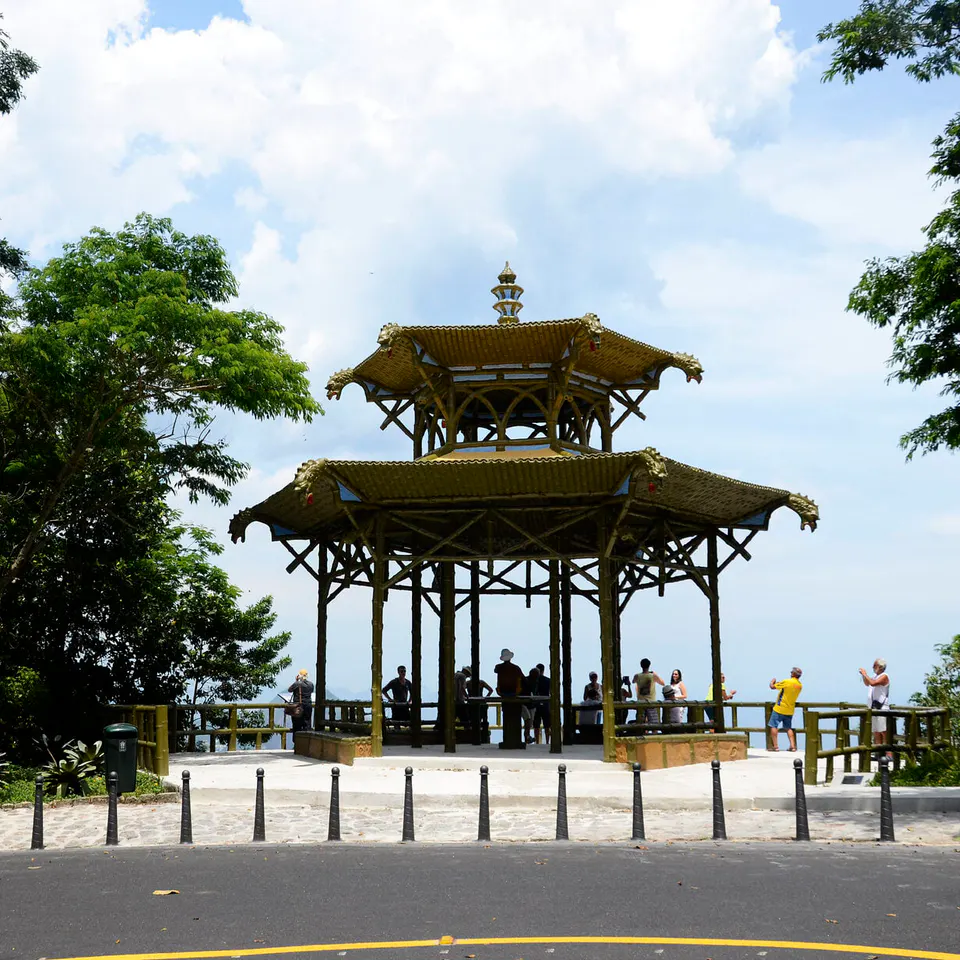
Vista Chinesa
The hint is to go by cycling.
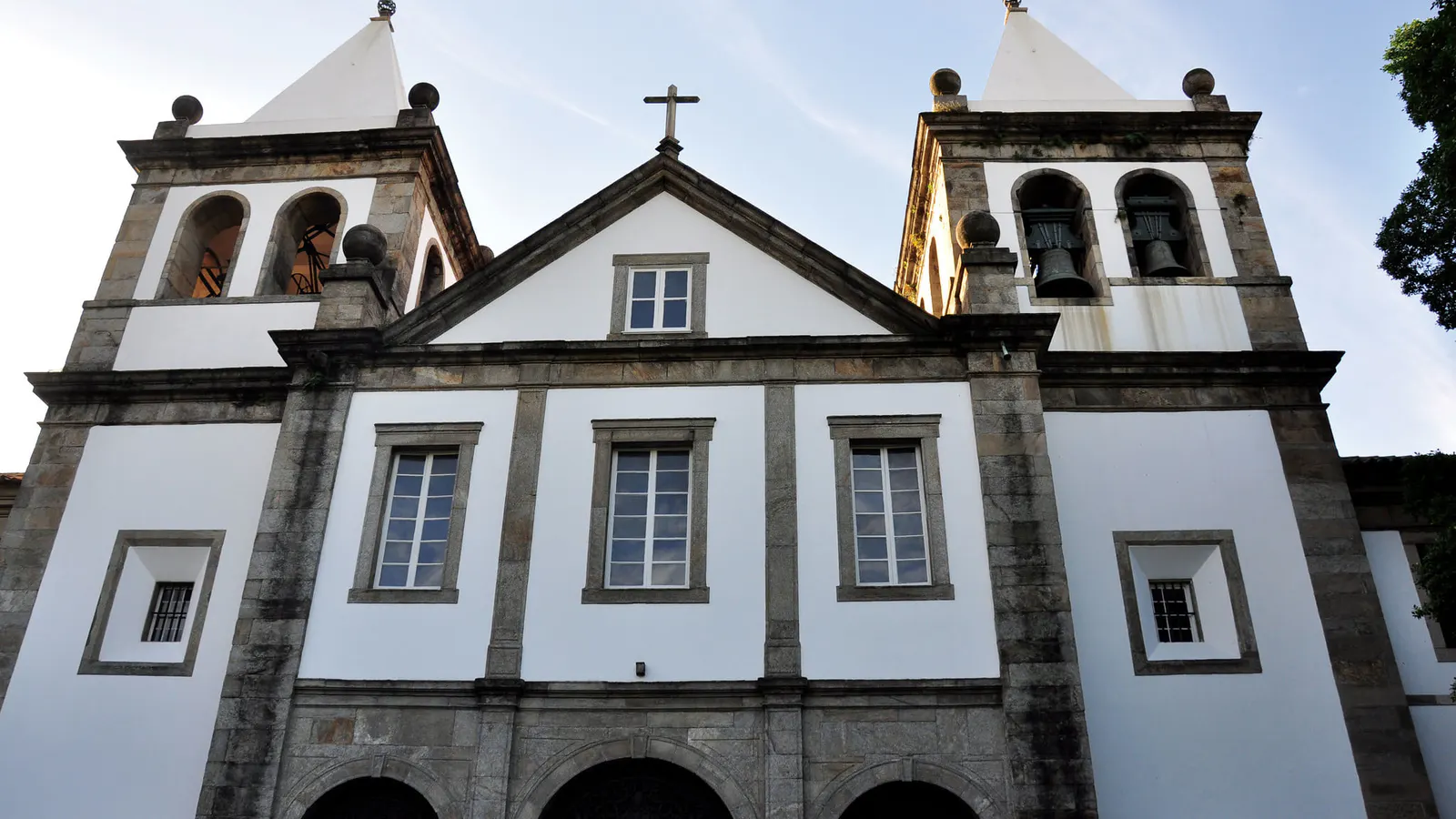
Mosteiro de São Bento
One of the main monuments of colonial art city.
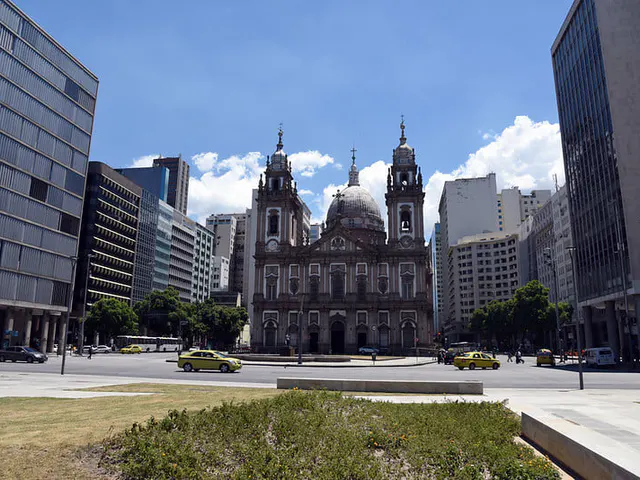
Igreja de Nossa Senhora da Candelária
Traditional stage of beautiful marriages, Candelaria church is on the touristic side script as the most visited one in Rio. In 2011, a new illumination with 278 projectors was inaugurated highlighting the beauty and the imposing building.
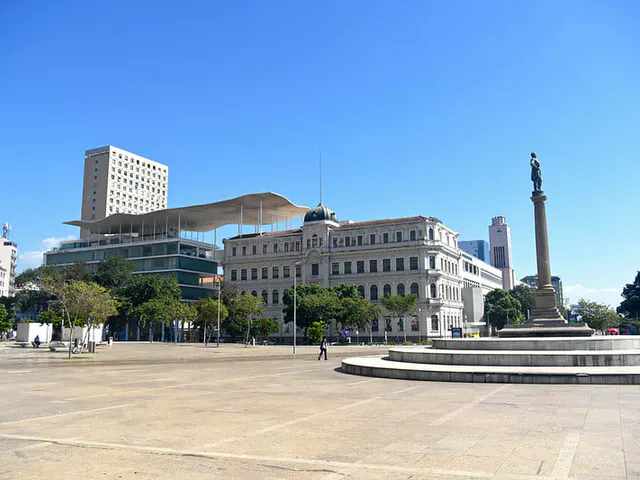
Rio Art Museum
The Rio's Art Museum is installed in the Praça Mauá.
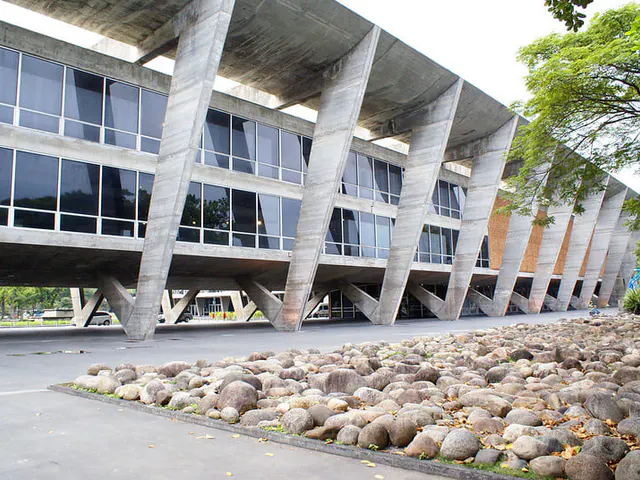
MAM - The Modern Art Museum
The Modern Art museum of Rio de Janeiro.
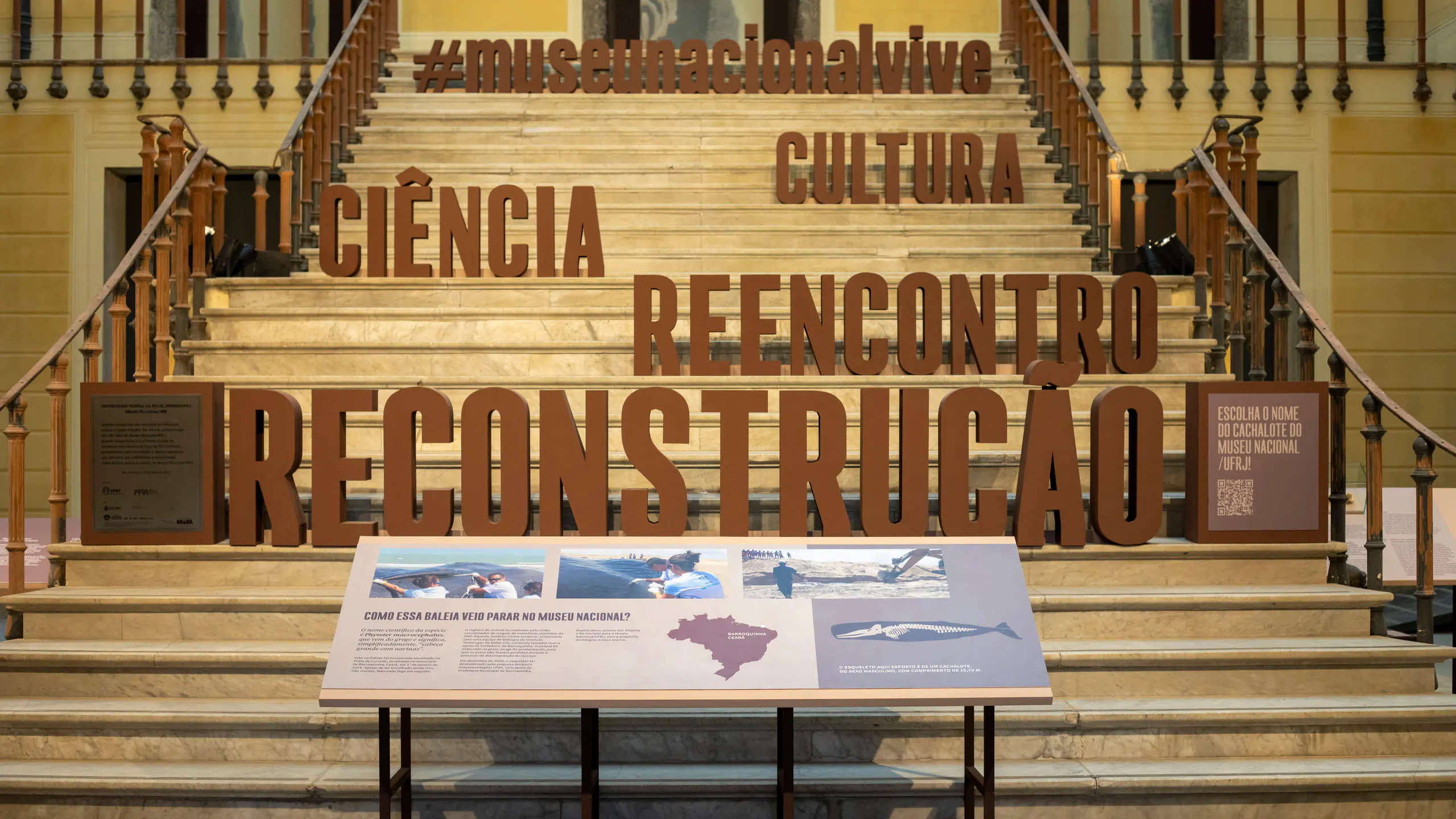
National Museum/UFRJ
Located in São Cristóvão, the National Museum is the oldest museum in Brazil. Founded in the early 19th century, it had its first headquarters in Campo de Santana, in the Center of Rio, being transferred in 1892 to the Palace of São Cristóvão — building that had already housed the Portuguese royal family and..
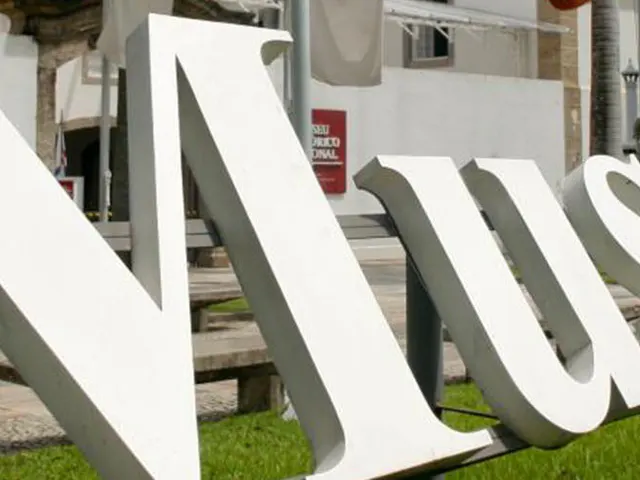
National Historical Museum
The architectural set that houses the Museum developed from the Fort of Santiago, in Ponta do Calabouço, one of the strategic points for the defense of the city of Rio de Janeiro.
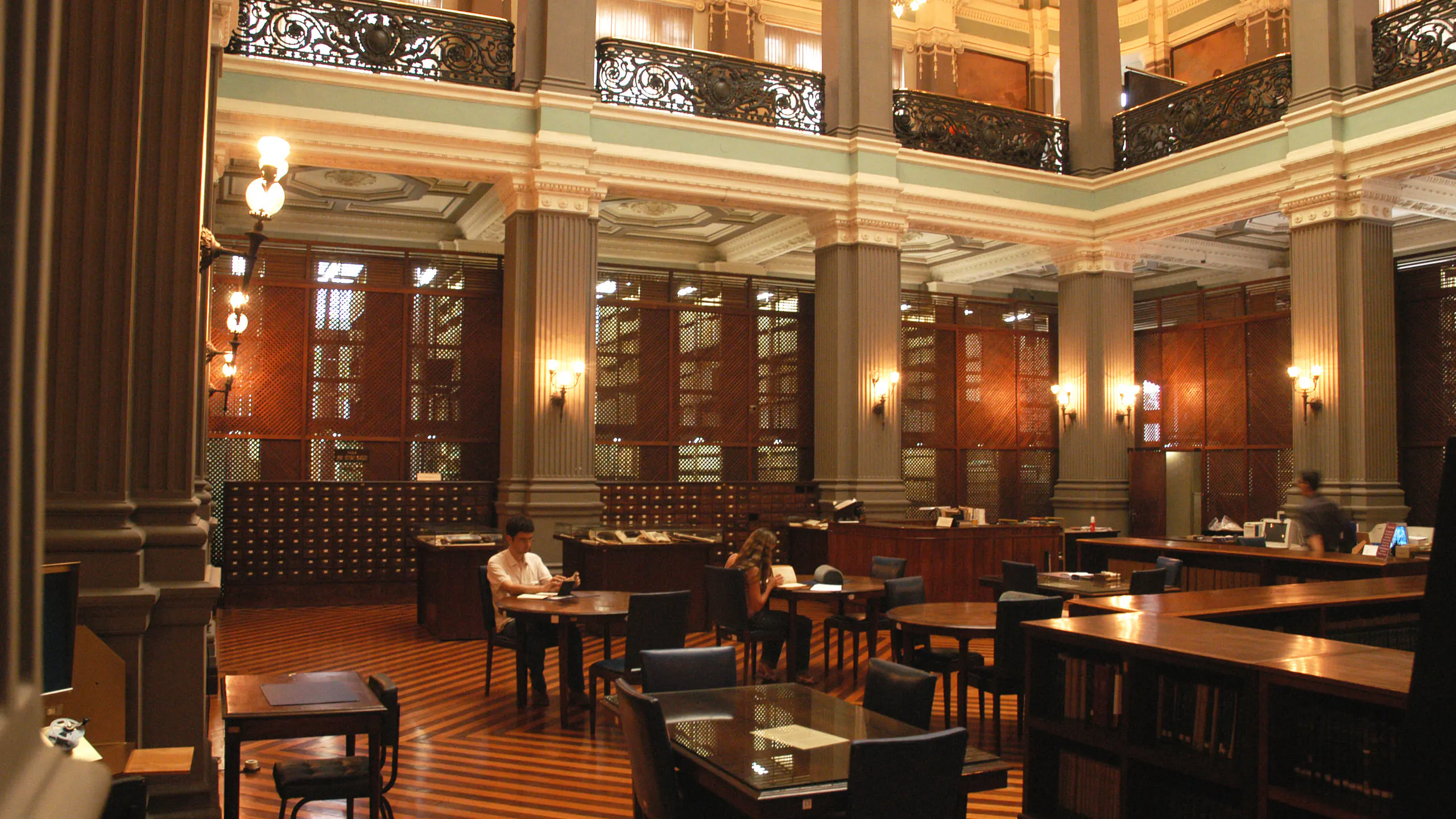
Biblioteca Nacional
The National Library Foundation is the responsible department to act on the government policy capture, custody, preservation and dissemination of intellectual production in the country.
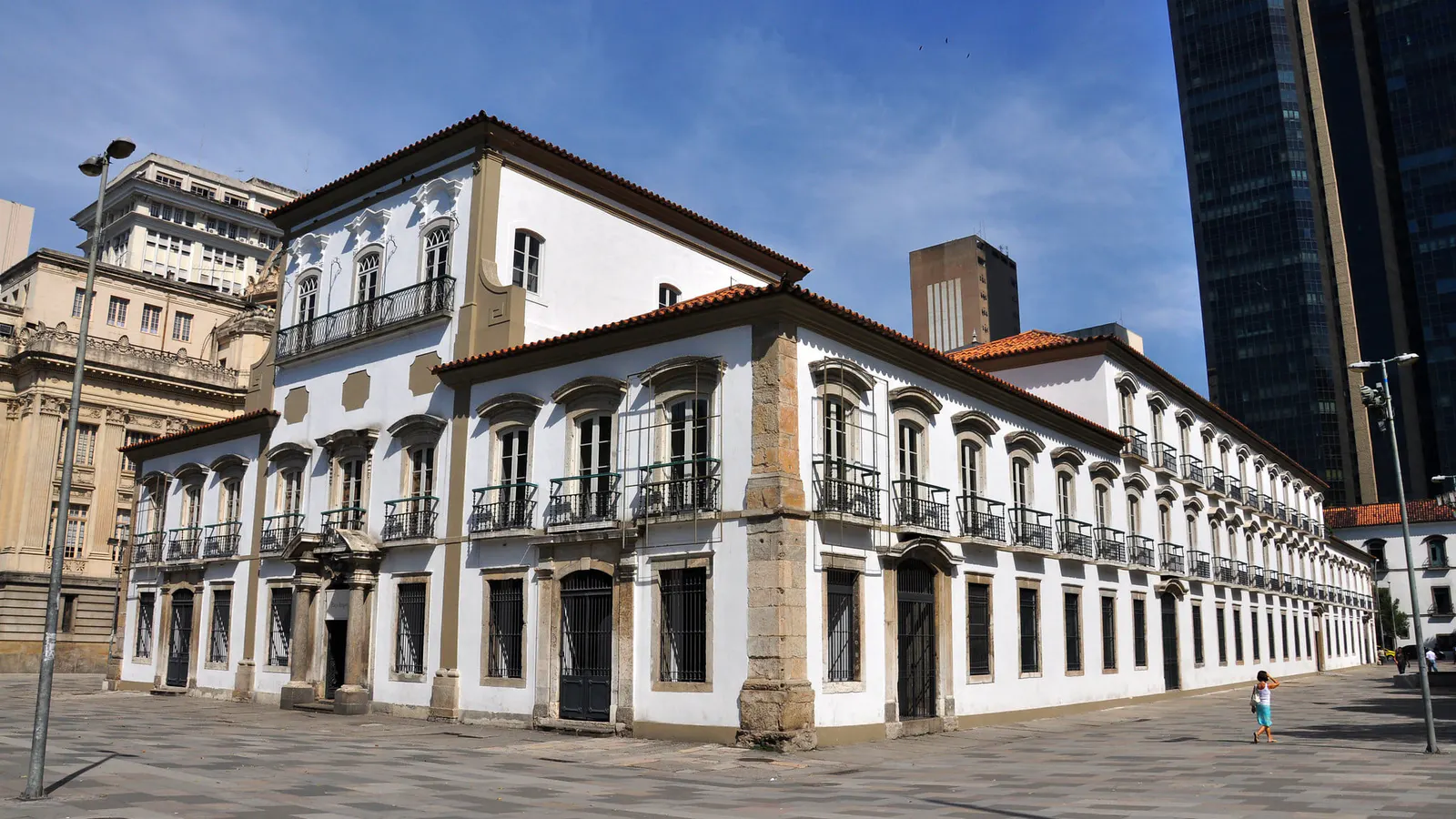
The Imperial Palace Cultural Center
Built in 1743, first it was used as the Viceroys’ house of Brazil.


