

THINGS TO DO IN RIO
Places that the cariocas love · Explore the city’s trails · Great places to eat feijoada and drink caipirinha · The pre and after party on the streets of Lapa · Near Posto 9 · Mate tea and biscoito Globo anytime · Enchanting features · The best balls · Blocos that you just have to go to · Dancing…
THE CARIOCAS
In the words of the writer born in Minas Gerais, Fernando Sabino: “being a carioca, as it is well known, is a state of mind: it is a person that, regardless of where in Brasil (or in the world) he or she has been born, lives in Rio de Janeiro and fills the city streets with life”. Cariocas are easygoing, spontaneous, and authentic.
We applaud the sunset at the beach, we take hose showers in the terrace, and we experiment with music, cinema, art and photography. We go to bars to have a nice chat, we go to samba circles and, above all, we never abandon the carioca way of life.
ONE OF THE LARGEST URBAN FORESTS IN THE WORLD
Right in the heart of the city, you can find a tropical forest known as Tijuca Forest. There, in an area of over 4,200 hectares, you can get in touch with an amazing flora, and also find lakes, fountains, historical sites and marvel at the over 200 species of birds and other animals, like the capuchin monkey, the agouti and the crab-eating fox.
Other attractions are the many trails, scenic routes and overlooking points from where you can enjoy an amazing view of such beauty that is sure to mesmerize you.
FEIJOADA & CAIPIRINHA
Samba, caipirinha and feijoada are one of the most amazing and most carioca combos there is. For those who are unfamiliar with it, “feijoada” is a black bean stew made with different cuts of pork and beef, usually served with a side of rice, “farofa”, steamed collard greens and sliced orange.
“Caipirinha” is the most famous Brazilian cocktail, and is a hit among visitors. It is made of “cachaça” (sugar cane spirits), unpeeled lime, sugar and ice. There’s no way you won’t fall in love with it after trying it.
CIRCO VOADOR
Located right beside Lapa Arches, Circo Voador is the place where all crews and all musical genres come together, and it is often the stage of some historical nights for the music scene in Rio de Janeiro. One of the most loved and most prestigious music halls in Brazil, the “spaceship” hosted some unforgettable concerts in the 90’s, and was the place in which numerous rock bands like Legião Urbana and Os Paralamas do Sucesso gave their first steps on the road to success.
Nowadays, besides the memorable concerts, Circo also offers an extensive calendar of festivals, cultural events and educational social projects.
POSTO 9
Posto 9 is a popular spot among young, beautiful people, including the famous “girls from Ipanema”, who parade about the boardwalk. Under the cariocas’ favorite sunset, you can enjoy the freedom, the beauty and the tranquility that Posto 9 inspires.
The beach’s beauty is so peculiar that since the end of the 1950s people have been ritually applauding the last minutes of the sun, from Arpoador to Leblon – a common occurrence during summer that amazes visitors and locals that pass by. No one knows for sure when this habit began, but it became so popular among locals that it is now one of the trademarks of the cariocas and their love for the sun, the sky and the sea.
MATE TEA AND BISCOITO GLOBO
“Olha o mate, olha o biscoito Globo!” (Who wants mate tea, who wants biscoito Globo!) This classical sentence can be heard daily from the mouths of the street vendors that help maintaining one of the city’s tastier traditions. The mate tea sold straight from the gallon and the biscoito Globo (manioc flour biscuit) have been a feature on the beaches of Rio for almost 40 years, when the first street vendor, known as “Seu Zé”, started working in Copacabana.
Nowadays, the mate tea and biscoito Globo street vendors have been declared a Cultural Heritage of Rio, and are still walking around providing refreshing moments for tourists and locals, with their ice-cold gallons of mate tea, either pure or mixed with lime juice, and the salty crunchiness of biscoito Globo. It sure is tasty.
ARCHITECTURE
Acclaimed all over the world for the richness of its features and for its many influences of different time periods, the architecture of Rio de Janeiro combines elements characteristic of the colonial style, of the modernist vanguards and of a impressive contemporary aesthetic – a mixture that can be seen throughout the city.
Here you can find centenary buildings, like those around Praça XV, the big Modern Art Musem (MAM) and large futuristic structures, like the Museum of Tomorrow – all magnificent examples of the cultural and aesthetic multiplicity of Rio that takes the breath of locals and tourists away.
THE BALLS
Originated in the suburbs, the funk and charme balls conquered the hearts – and the feet – of cariocas from the North and the South zones. These rhythms and their electronic beats are a source of excitement and controversy: with lyrics that discuss dancing, and that are playful and erotic, the funk rhythm was declared by law a cultural movement, and has taken over the world with its vivaciousness, turning the funk balls into a place to meet up with friends and into touristic attractions.
It’s simple: with friends by your side and a cold glass of beer, the priority in the balls is to have fun, dance the “passinhos” and, of course, get low.
BLOCOS
In carioca carnival, anyone can party, in a 24/7 celebration that takes over the city. Pierrots and Columbines invade the streets dancing samba with a lot of happiness and energy even before (and also after) the official beginning of Carnival.
It is one of the most popular parties in the planet and it brings people from all over the world together. There are no stages, and the real stars of the party are those who go to the streets to celebrate carnival, giving their energy to turn this few days in the happiest ones of the year.
THE BIRTHPLACE OF SAMBA
“There’s something wrong with you if you don’t like samba. Either you have bad feet or you are a little mad” Dorival Caymmi Samba is recognized as a Brazilian rhythm, and Rio de Janeiro breathes samba all over. Some bars are famous for hosting live samba concerts, like the “Trapiche Gamboa”, in the neighborhood of Saúde, the “Carioca da Gema”, the “Bar Semente” and the “Beco do Rato”, all in Lapa, the “Boteco do Carvalho”, in Botafogo, and the “Casa Rosa”, in Laranjeiras. But if you want to experience an authentically carioca musical manifestation you must go to a “roda de samba”(samba jam session).
They happen in clubs, bars and sometimes even on the street. The musicians sit around a table and make some unforgettable music. The “Samba do Trabalhador” happens at Renascença Clube, in Andaraí, and is one of the most famous “roda de samba” of the city. Other “rodas” that you just can’t miss are the “Samba da Ouvidor”, on Downtown, and the “Samba da Pedra do Sal”, that happens every Monday, and in which the musicians perform without microphones and play traditional samba.
In this collection
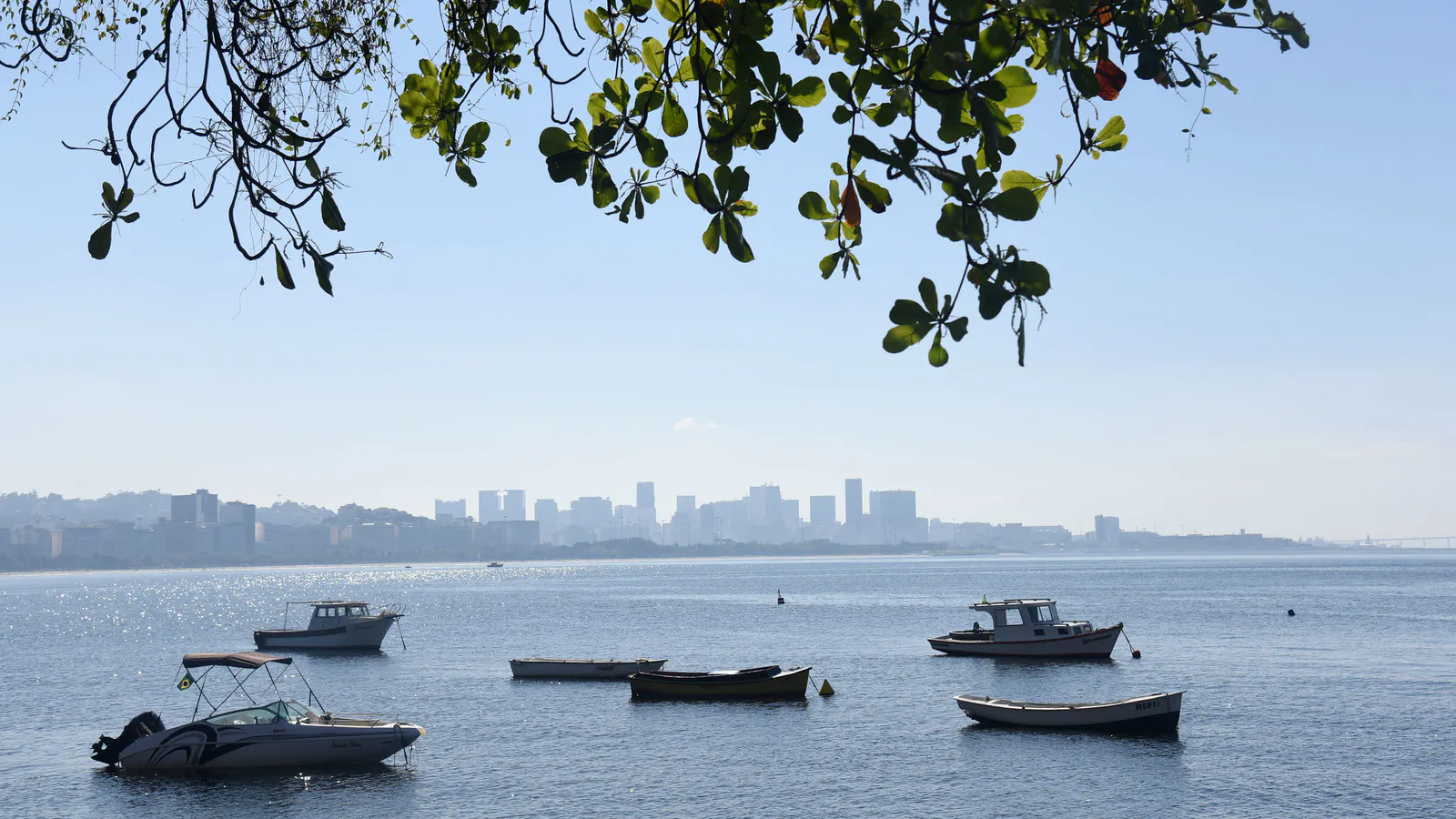
Mureta da Urca
Beautiful people, little cold beer and one of the most incredible views of the city. Know Mureta da Urca.
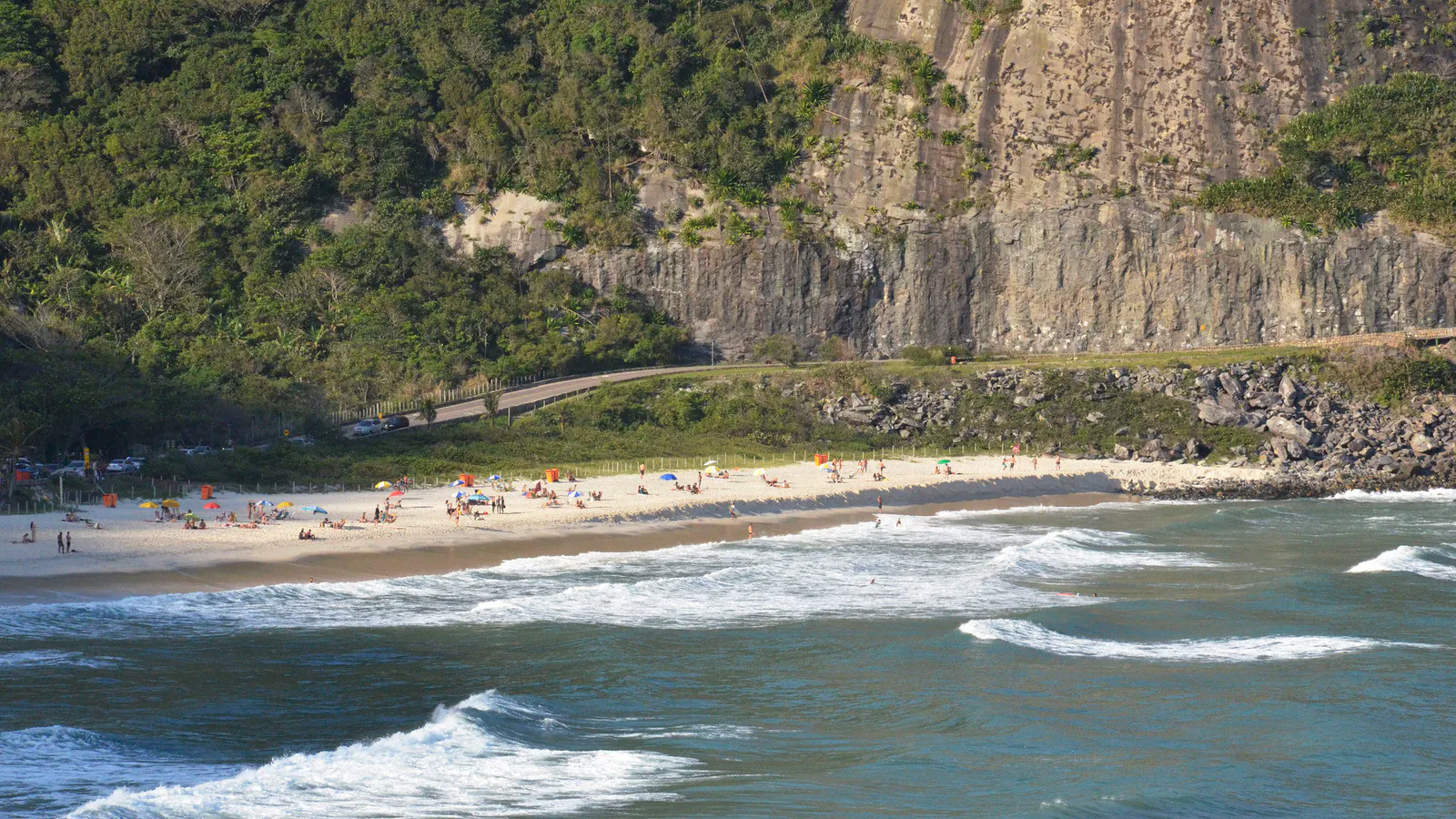
Prainha
A small strip of sand with 700m of strong sea extension, located at the end of Recreio beach.
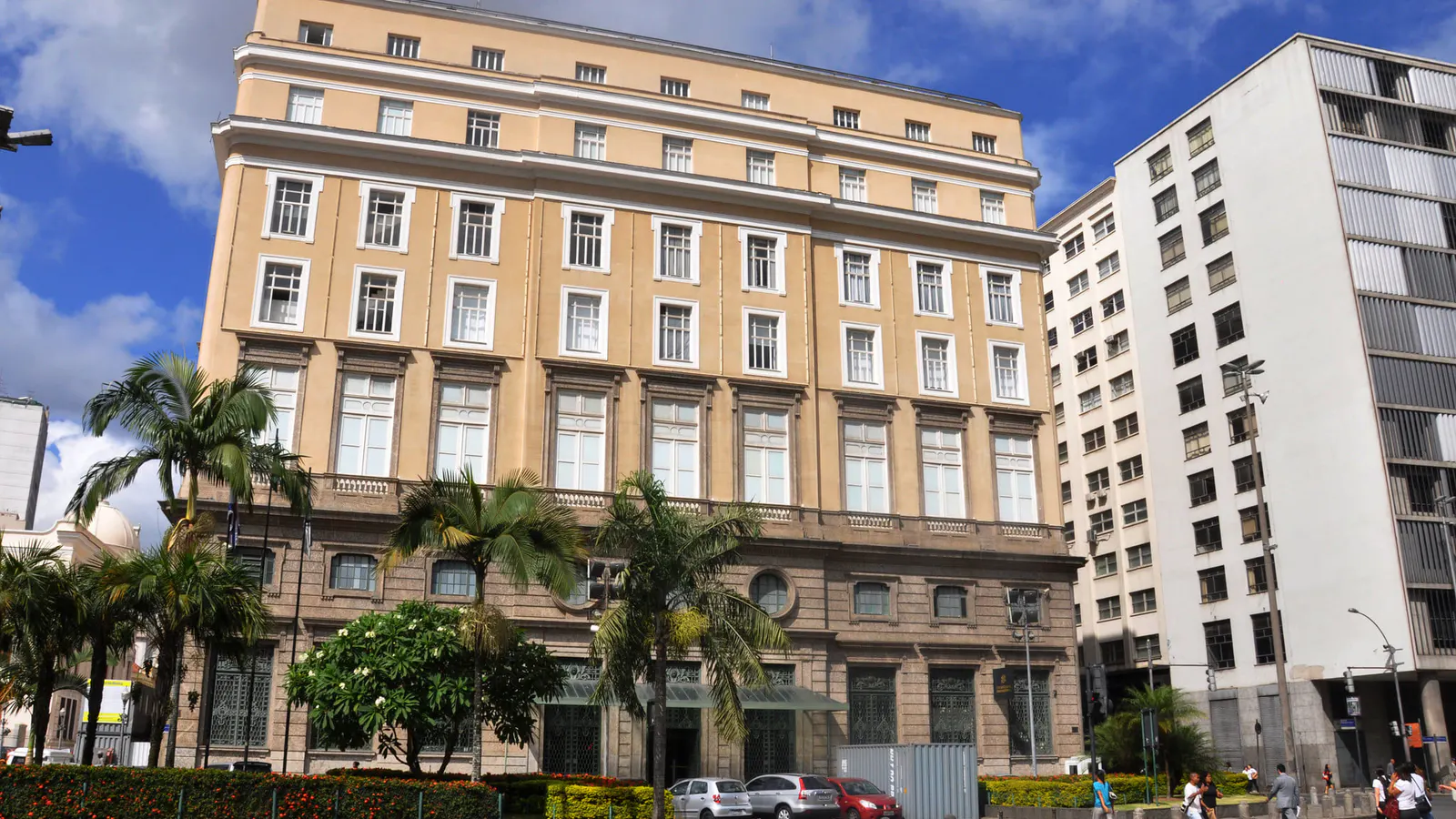
Centro Cultural Banco do Brasil - CCBB
CCBB has three theaters, besides 4 video cabins, a cine, two auditory, exposition room and tea salon and restaurant.
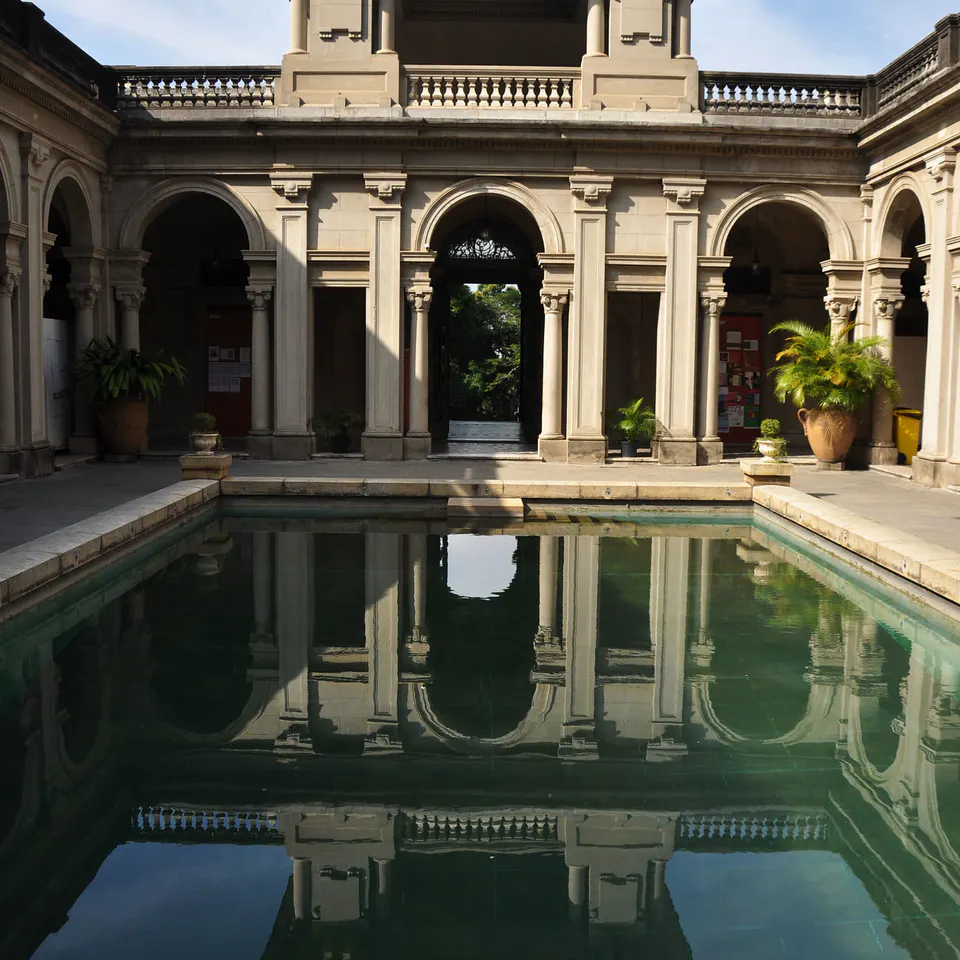
Parque Lage
At the foot of the Corcovado Mountain, Parque Lage delights with 52 hectares of pure green, cultural and art programs.
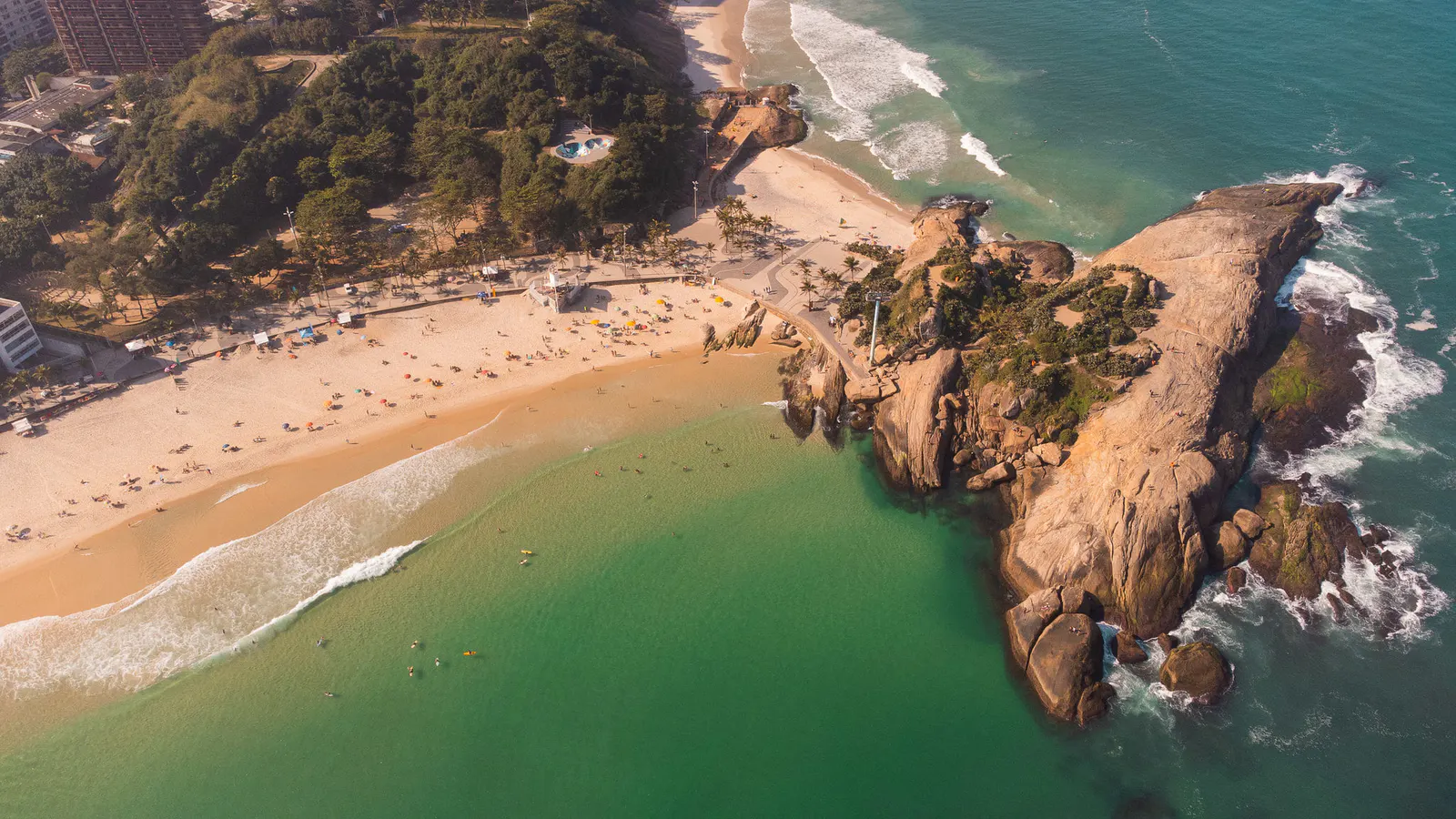
Arpoador
Between the Copacabana Fort and Ipanema Beach, Arpoador is one of the most famous spots of the city's waterfront.
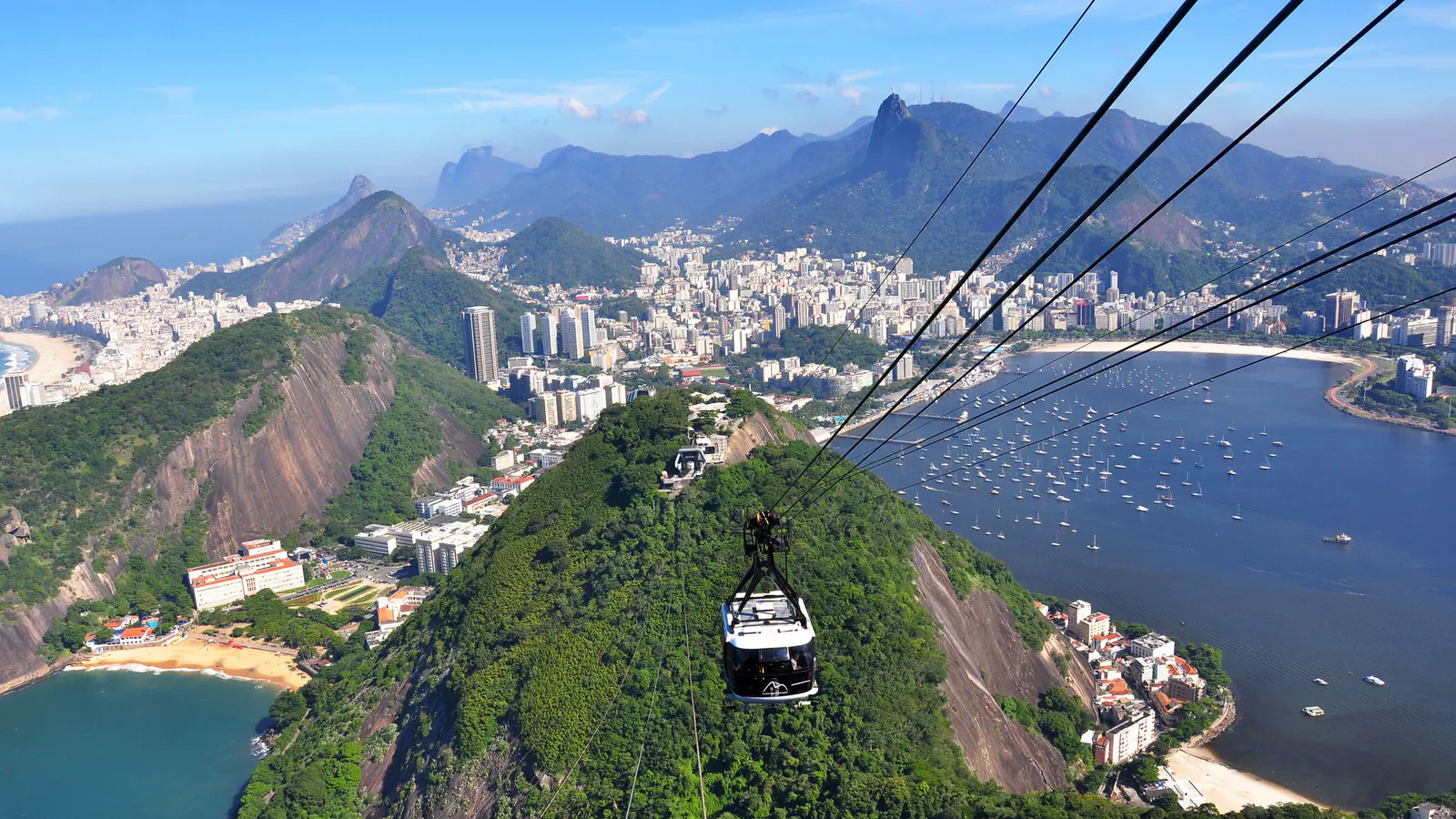
Morro da Urca
Urca hill, with so nice 220 meter, has in it top the first cable car terminal going to Sugar loaf.
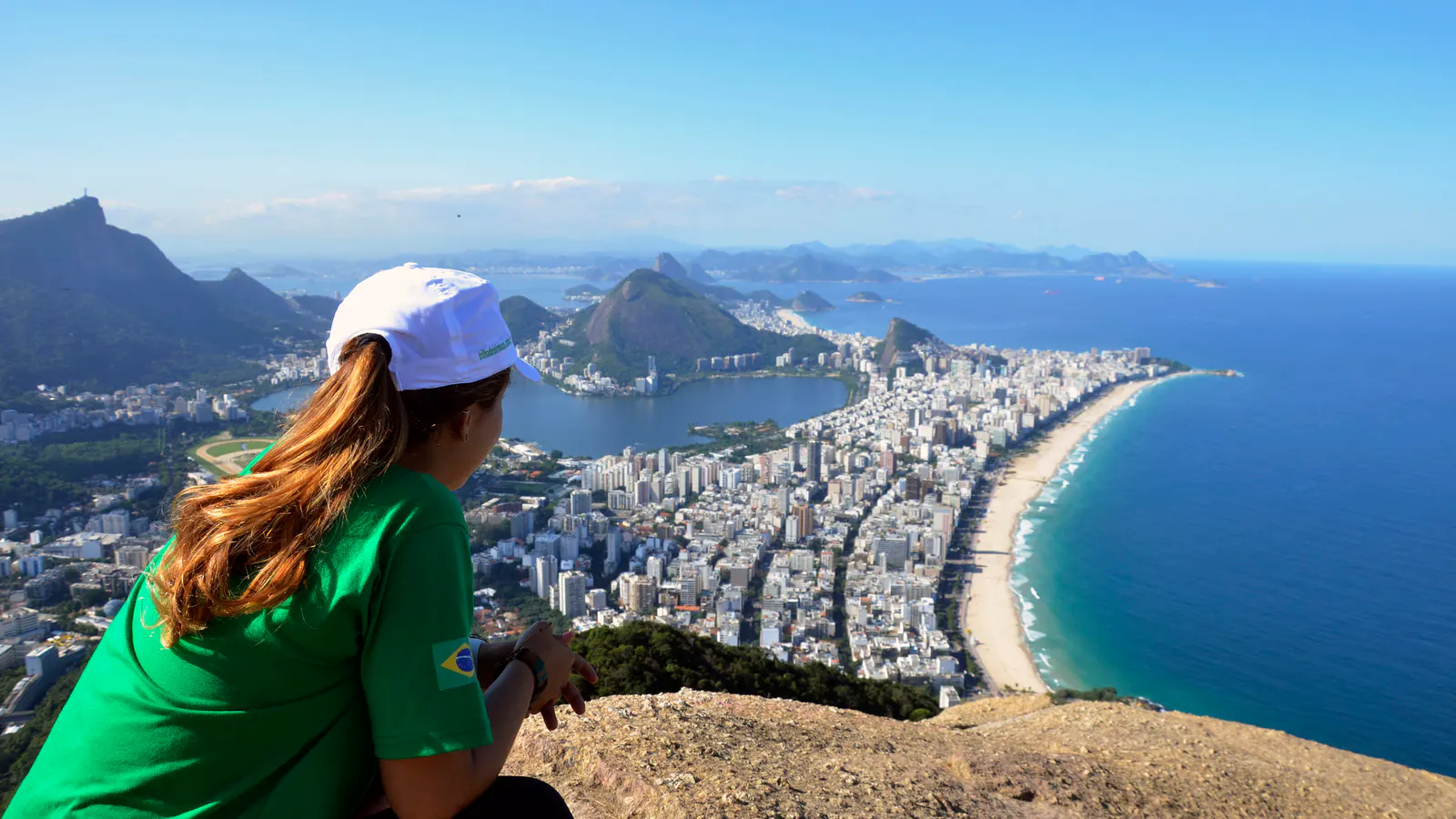
Two Brothers Hill
The trail is relatively easy and from the top is possible to see the whole carioca South area.
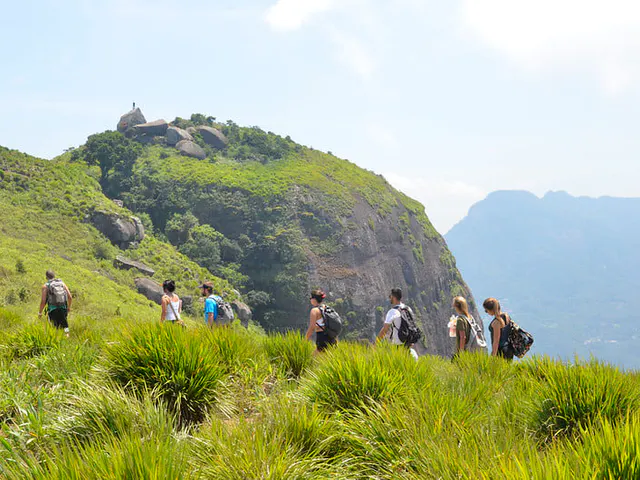
Pedra da Gávea
The stone is the biggest stone block by the sea of the world.
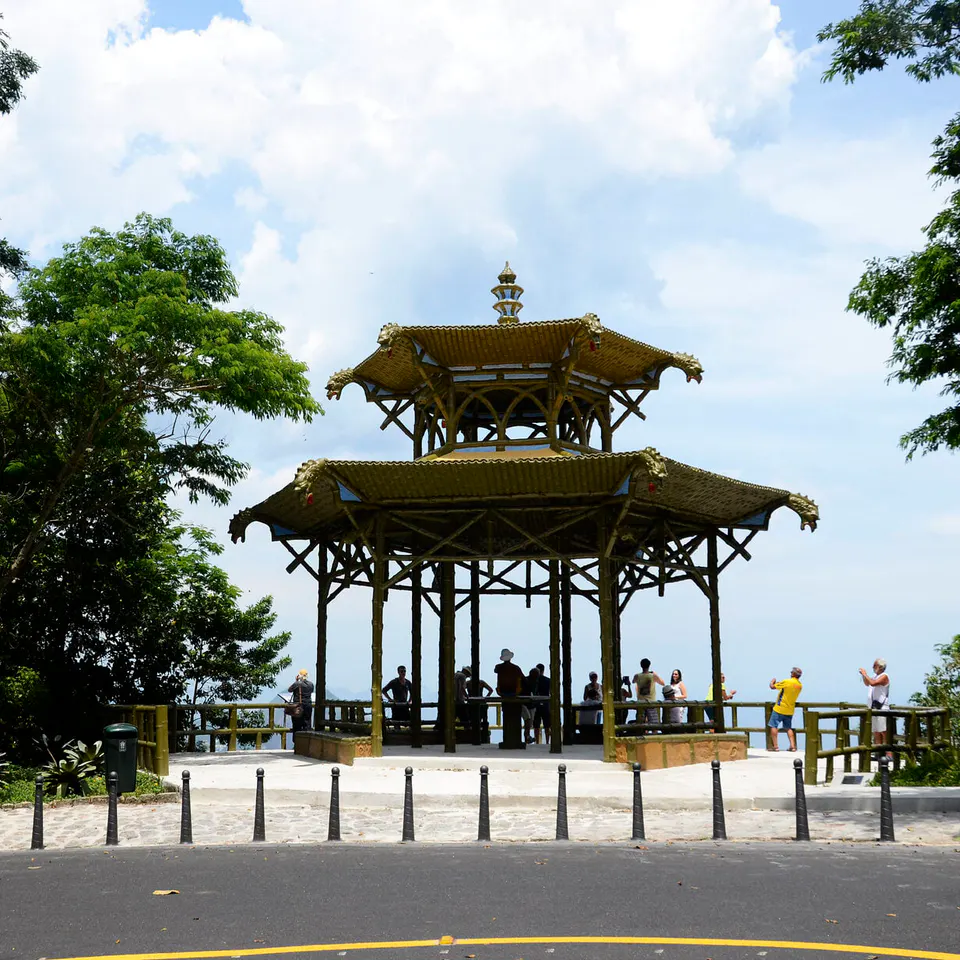
Vista Chinesa
The hint is to go by cycling.
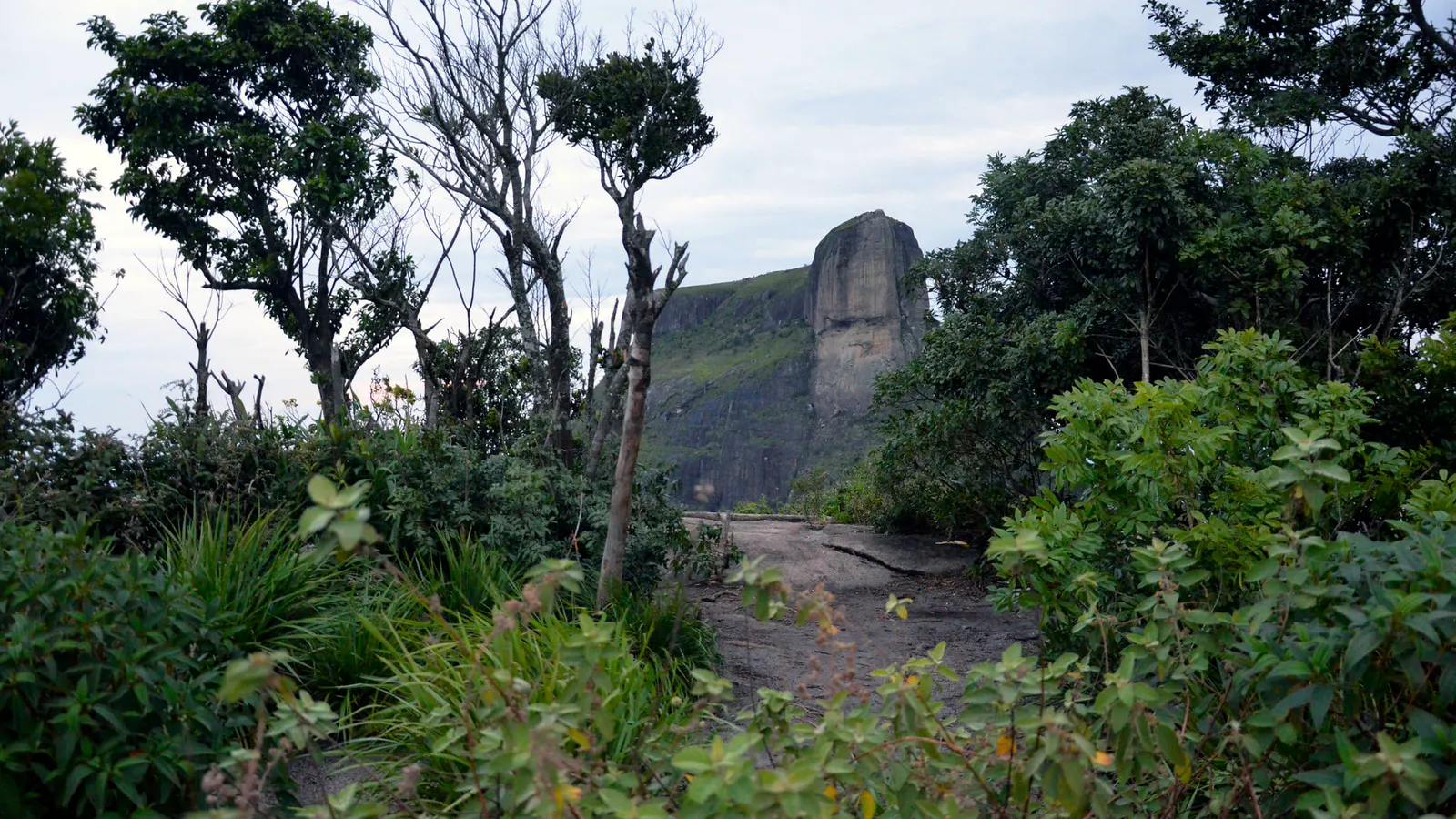
Pedra Bonita
With 40 minutes of duration, the route is considered slight and relatively easy, with no big obstacles.
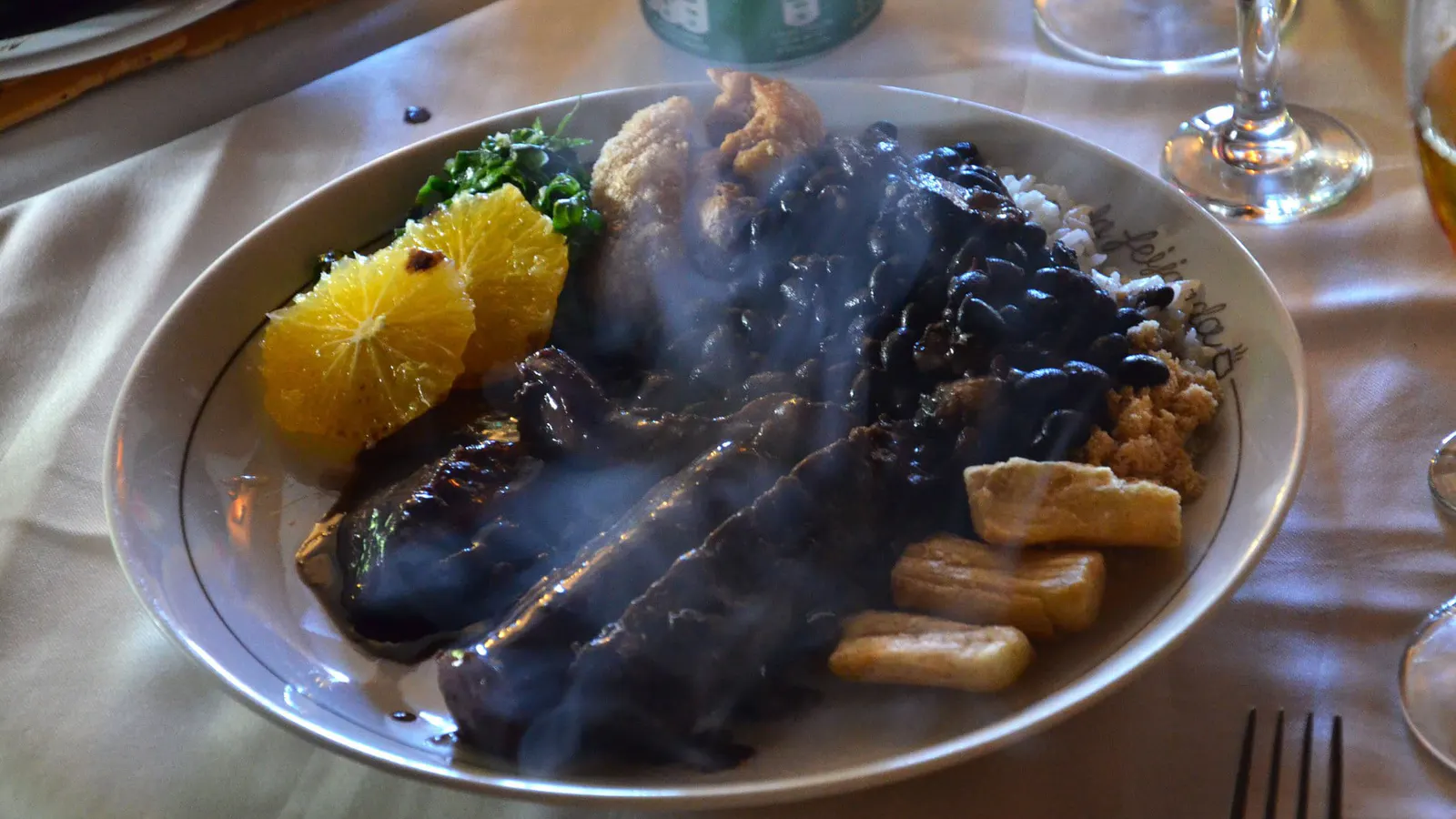
Casa da Feijoada
The "feijoada" (black beans stew with pork cuts) is carried to the table with complements. The meats are chosen by the customer.
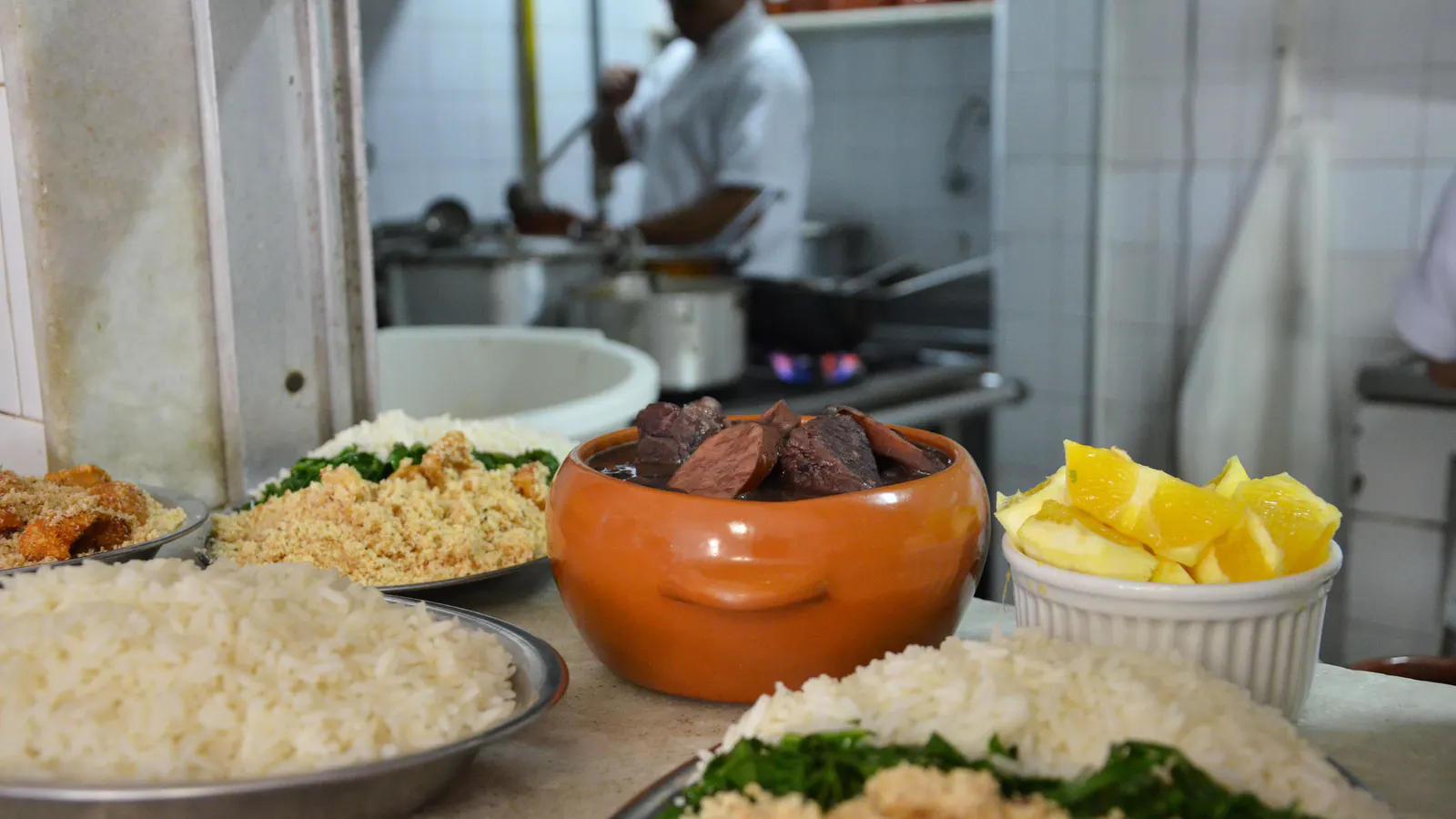
Bar do Mineiro
Feijoada even in the pastel!
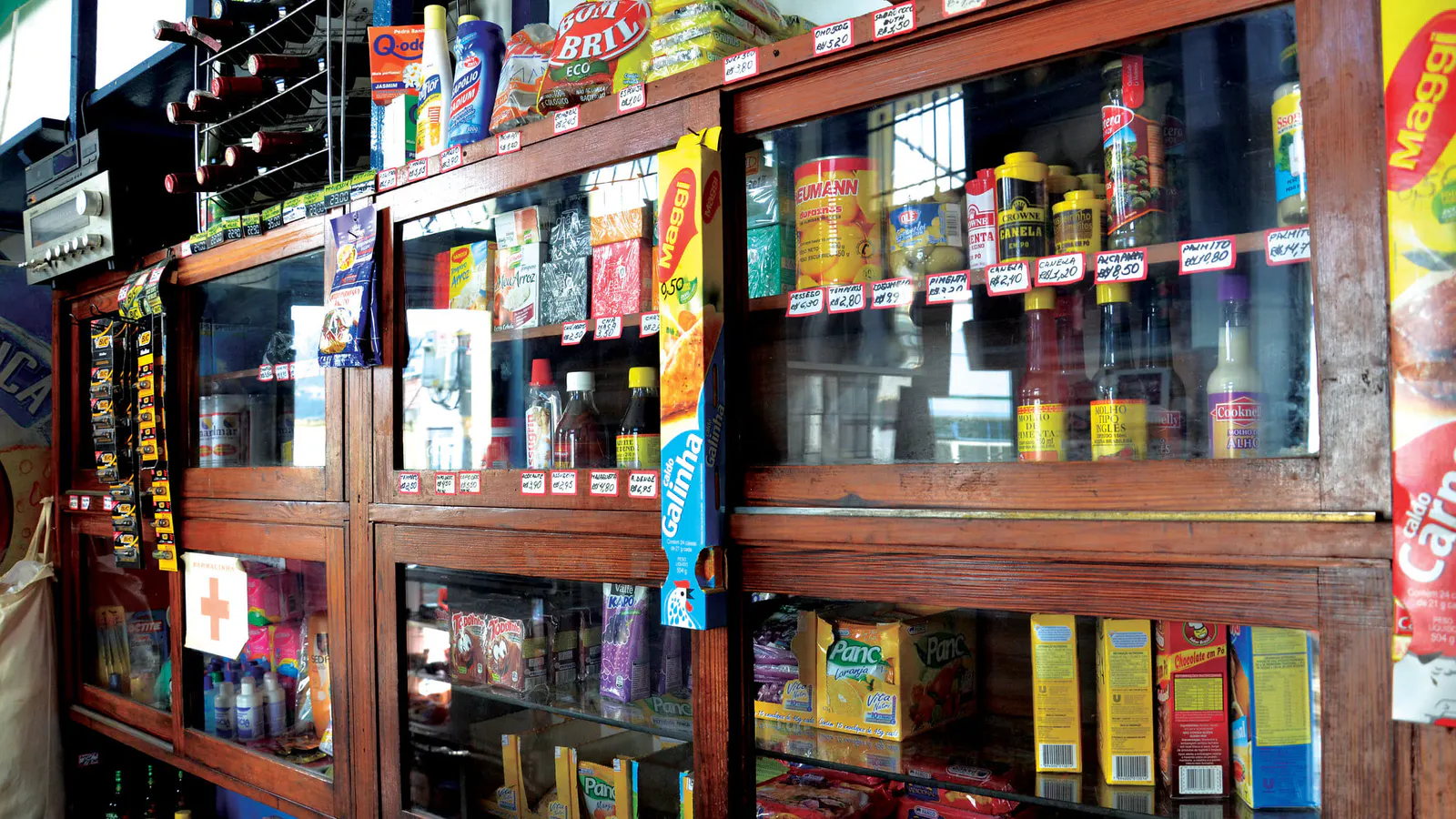
Armazém Cardosão
The place is a mixture of bar, grocery store and much music.
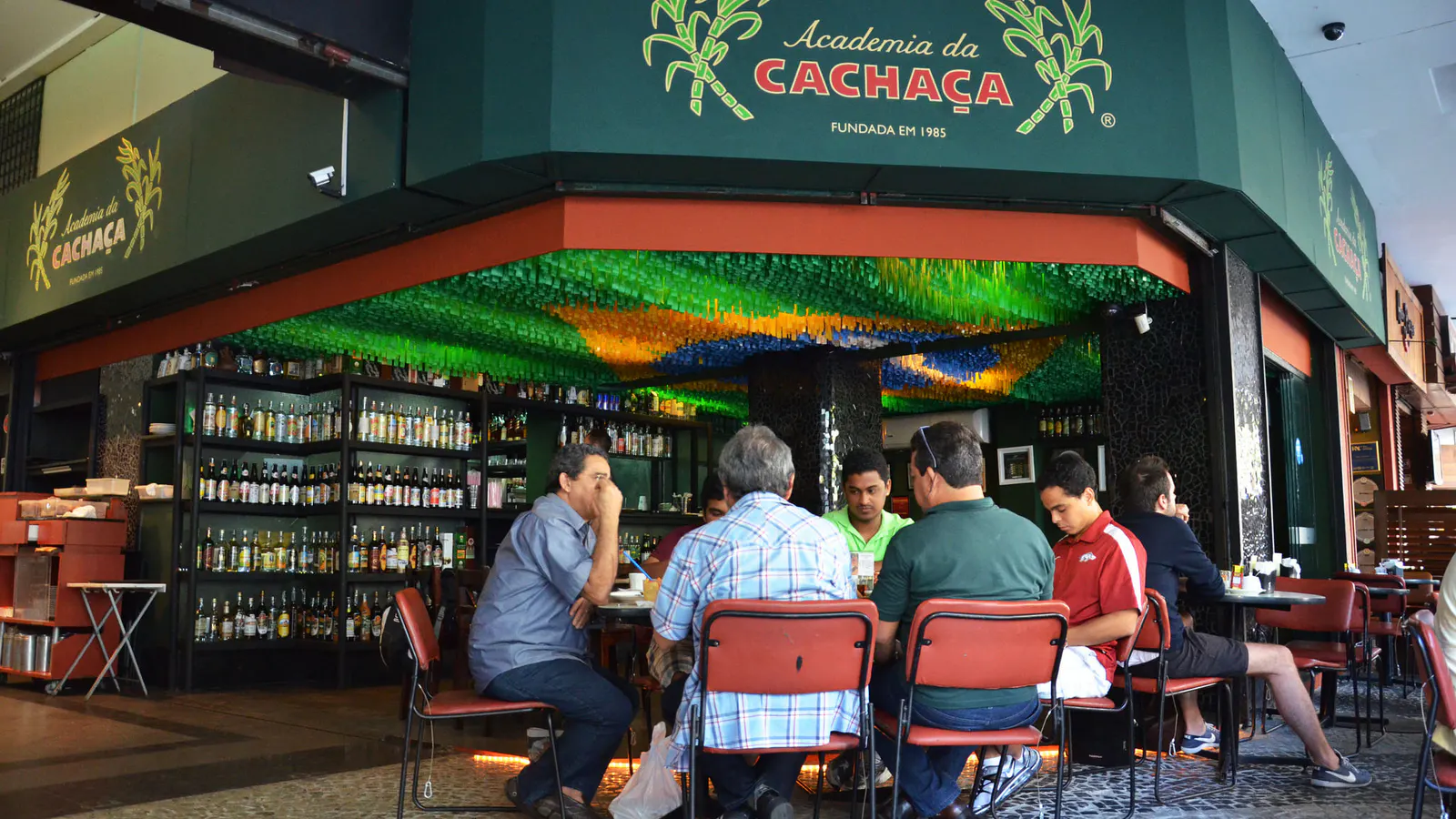
Academia da Cachaça
Open since 1985 in Leblon, Academia da cachaça offers over 100 brands on their list, besides a variety of different caipirinhas.
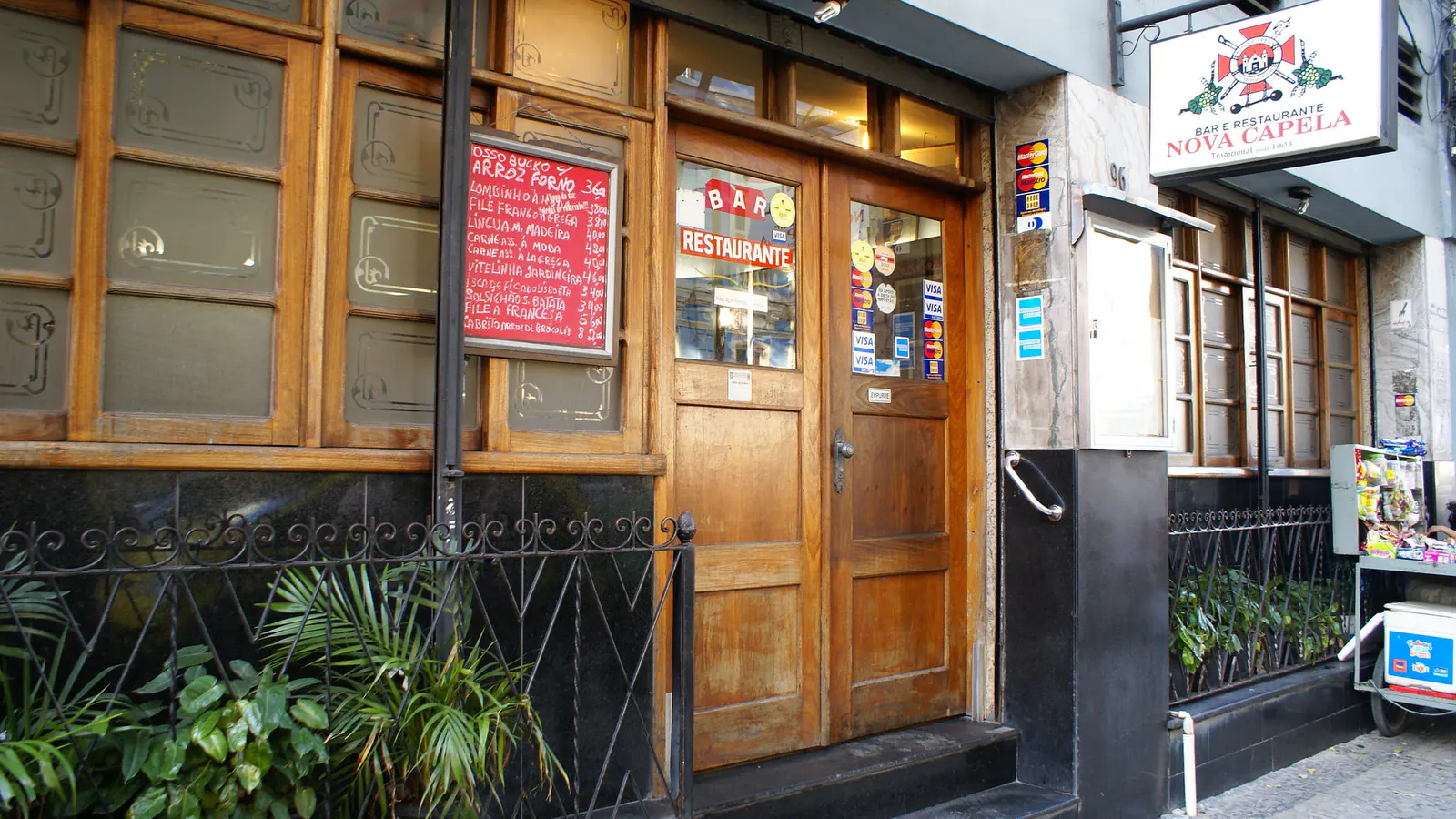
NOVA CAPELA
Famous for its roasted goat and cold draft beer.
Leviano Bar
The house bets on varied programming throughout the week.
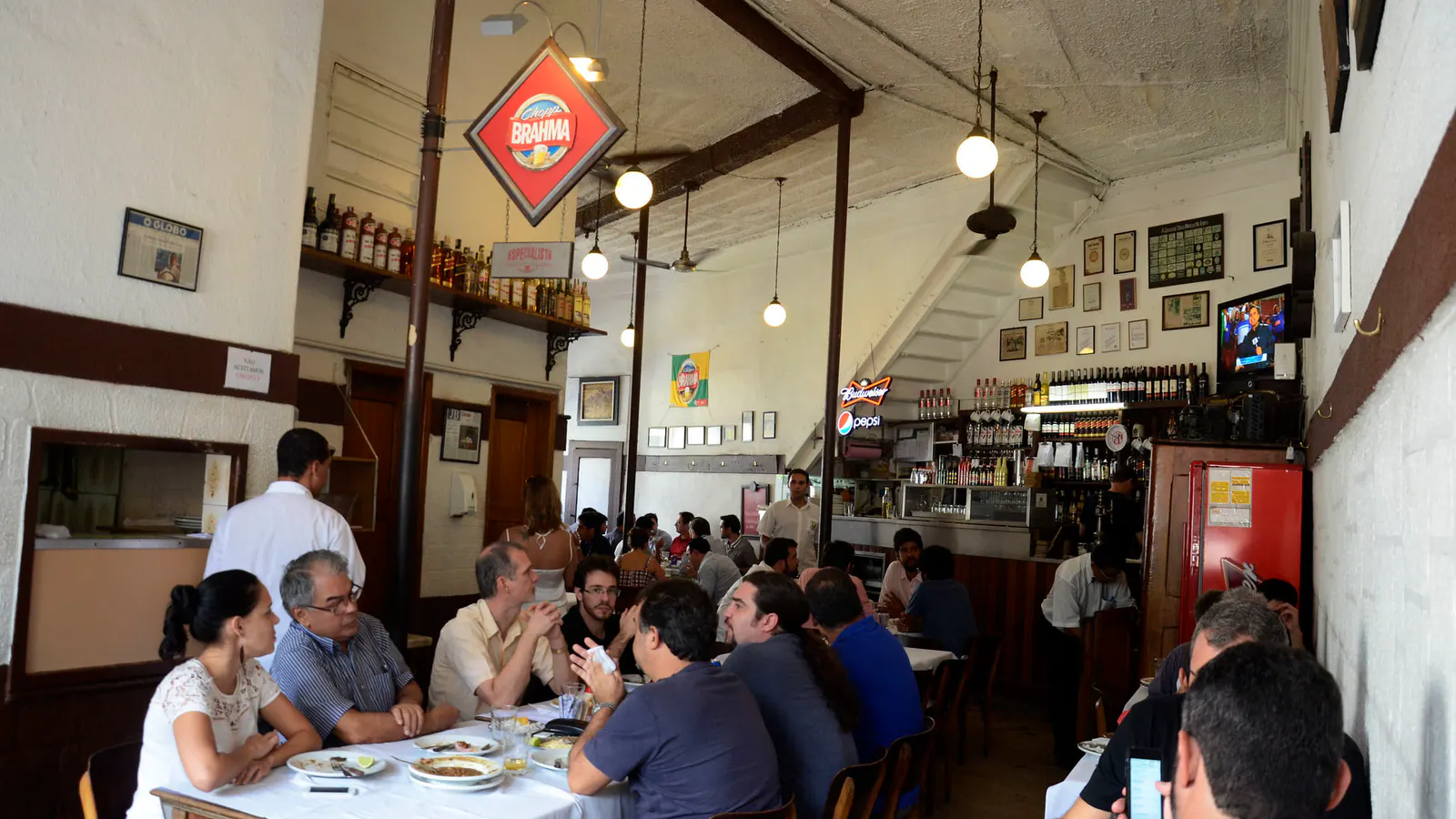
Bar Brasil
A traditional German cuisine place which highlights kassler (smoked pork chop), eisben (ham hock) and kalbs-hackse (veal).
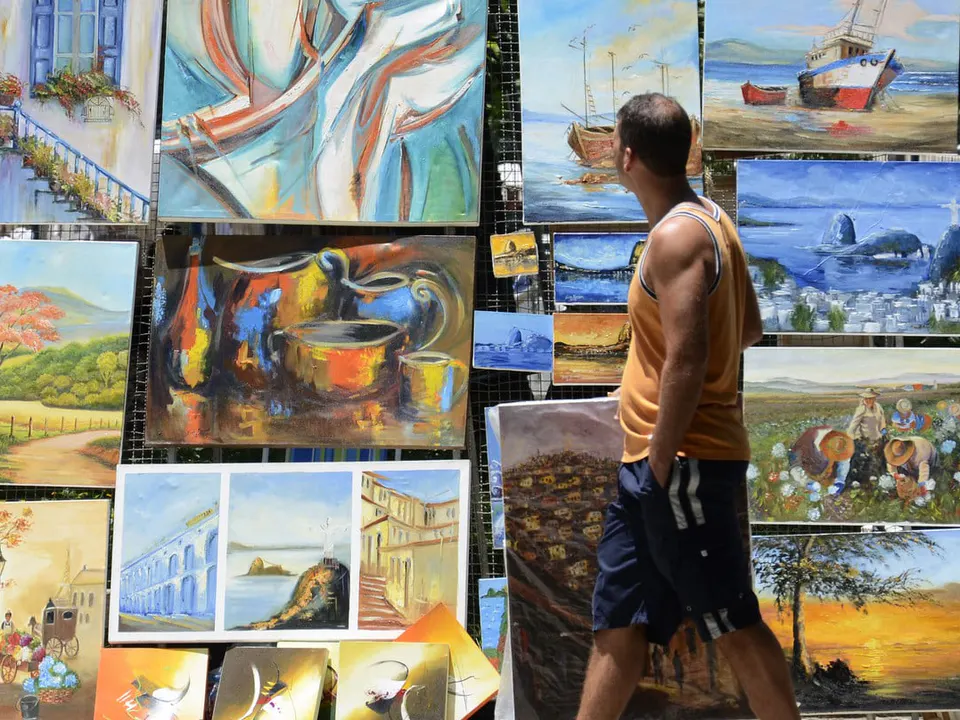
Feira Hippie de Ipanema
Incontestable ride on the agenda for those who come to Rio de Janeiro, the fair have more than 600 expositors.
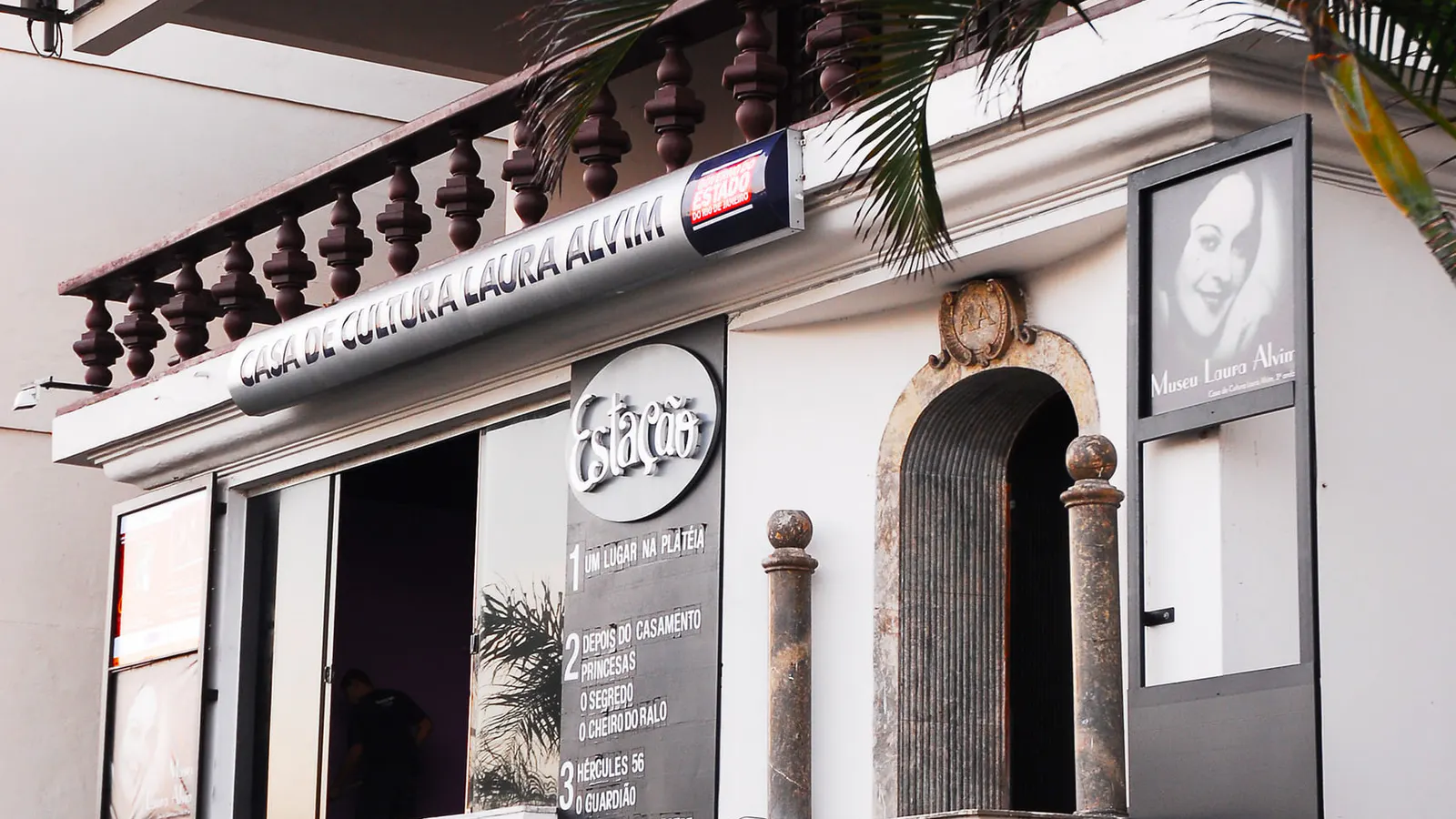
Casa de Cultura Laura Alvim
A completed cultural Centre by the sea, in Ipanema, with cines, theaters, art and museum galleries. The house where Laura Alvim lived became in 1986 an important culture polo in Rio de Janeiro.
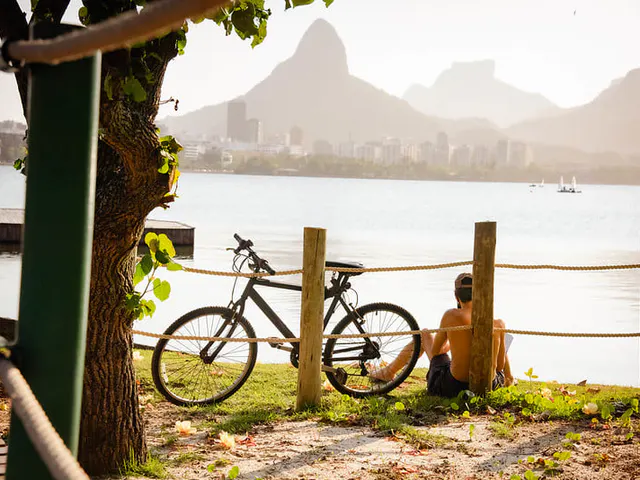
Lagoa Rodrigo de Freitas
Over the quiet waters of Rodrigo de Freitas Lagoon, cariocas and visitants practice sports, make picnic and relax.
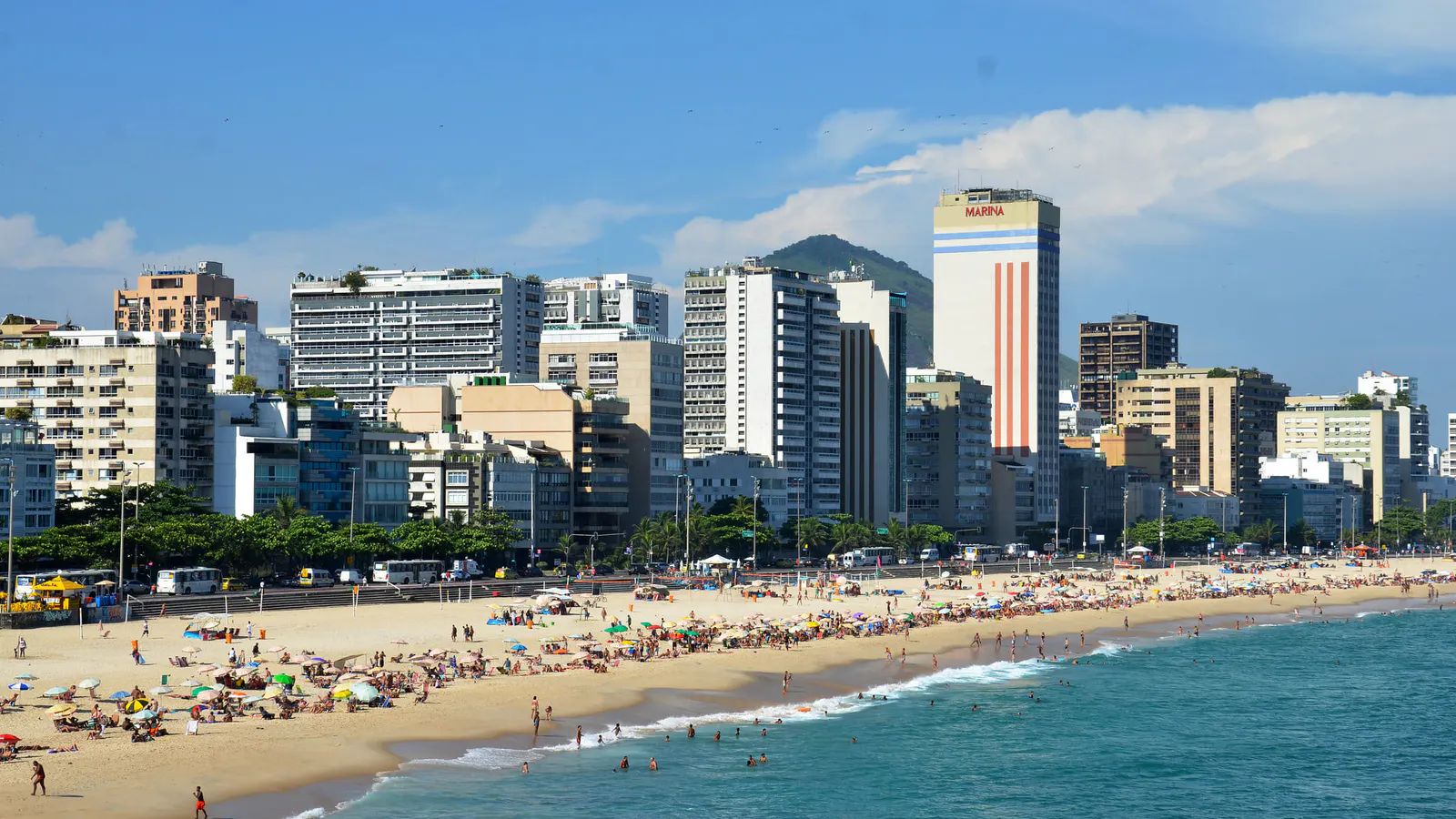
Leblon
Beach that brings together families daily with a specific area for children, dubbed baixo bebê.
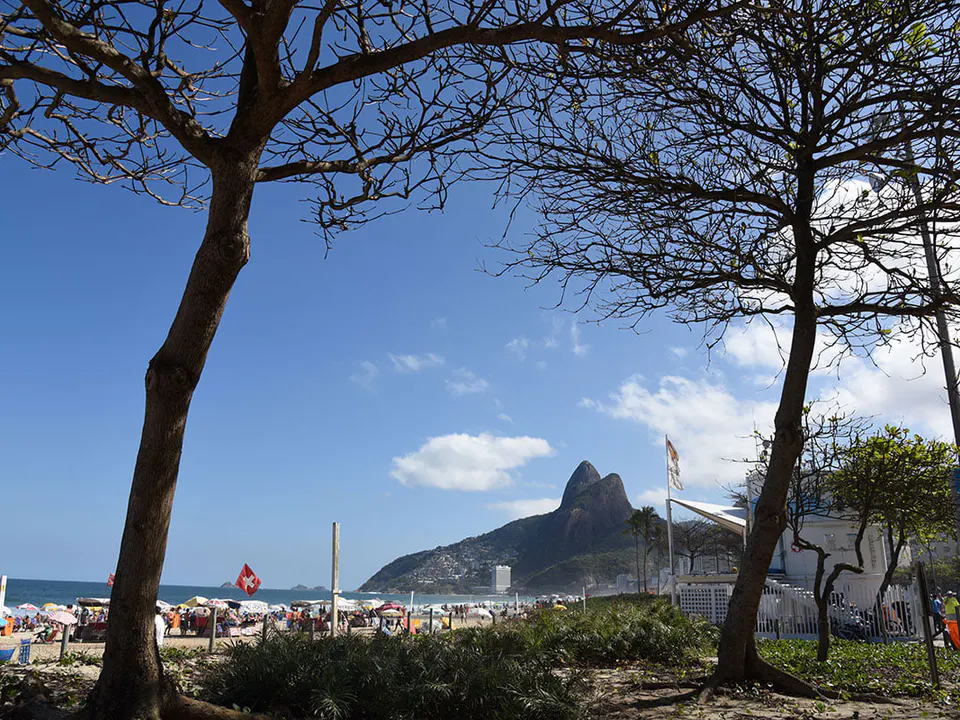
Ipanema
It has 2 kilometers of beach between Arpoador and Jardim de Alá. Famous for concentrating beautiful people on the sand and the eternal "girl from Ipanema".
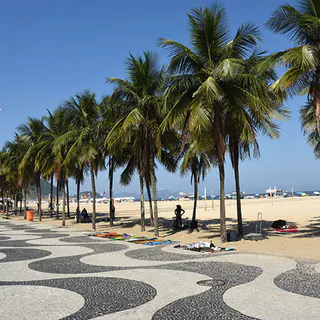
Copacabana and Leme
Considered two of the most famous beaches in the world, together they have 4,15km extension accompanying the Atlantica Avenue to the Copacabana Fort.
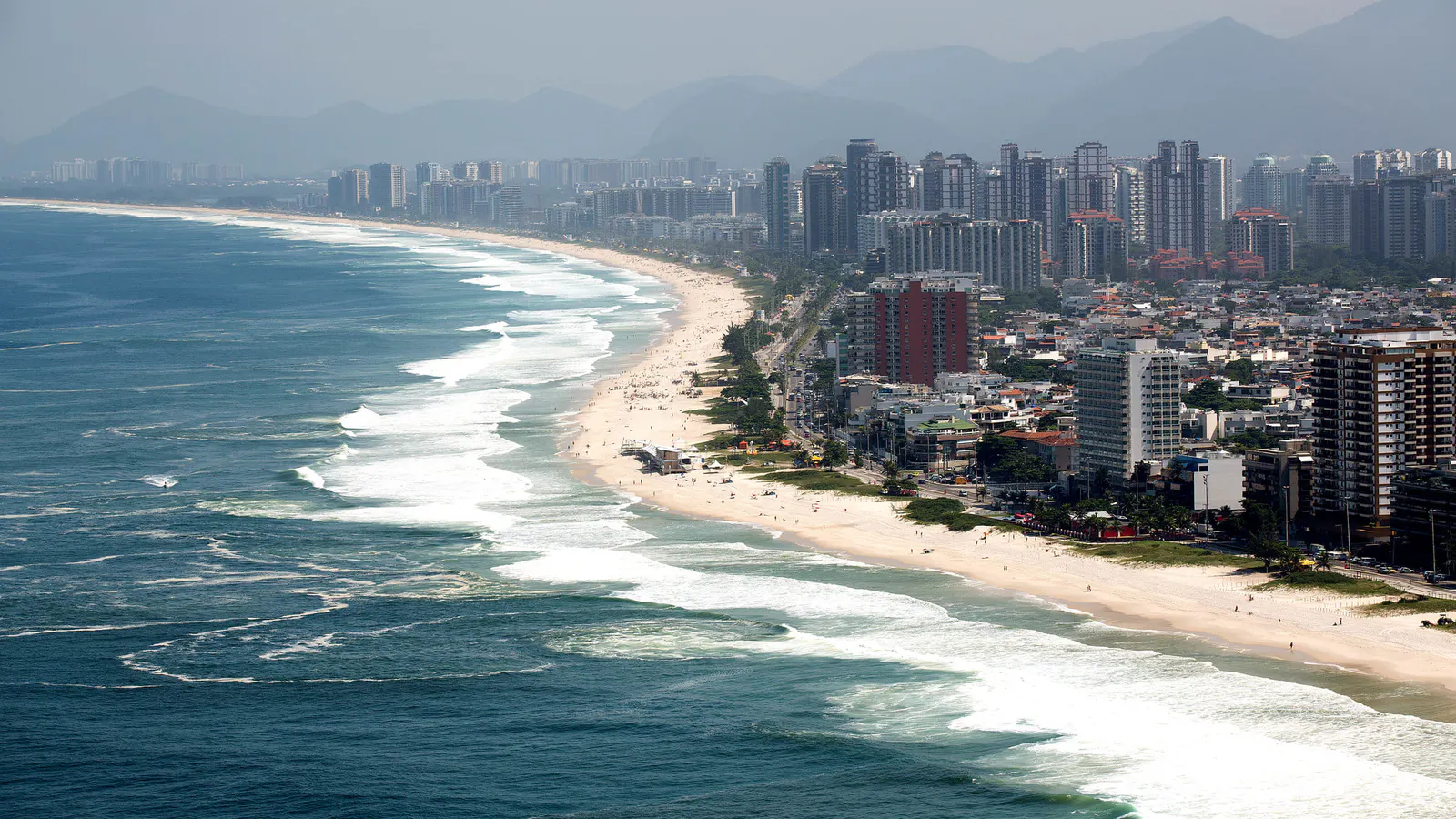
Barra da Tijuca
With 14.4 km of extension, the biggest carioca beach, delights the ones who goes from Lúcio Costa Avenue to Recreio.
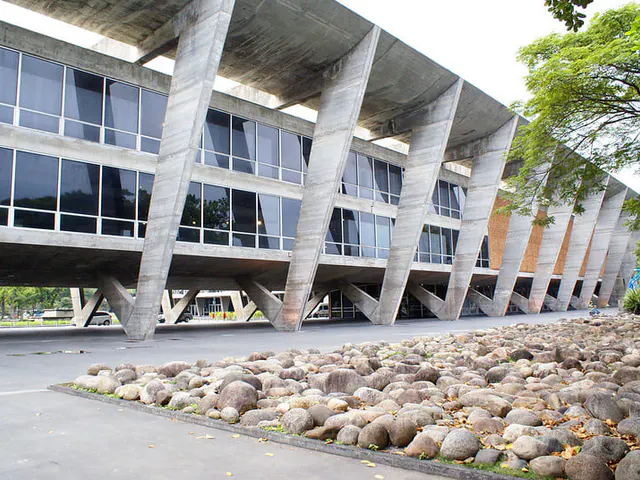
MAM - The Modern Art Museum
The Modern Art museum of Rio de Janeiro.
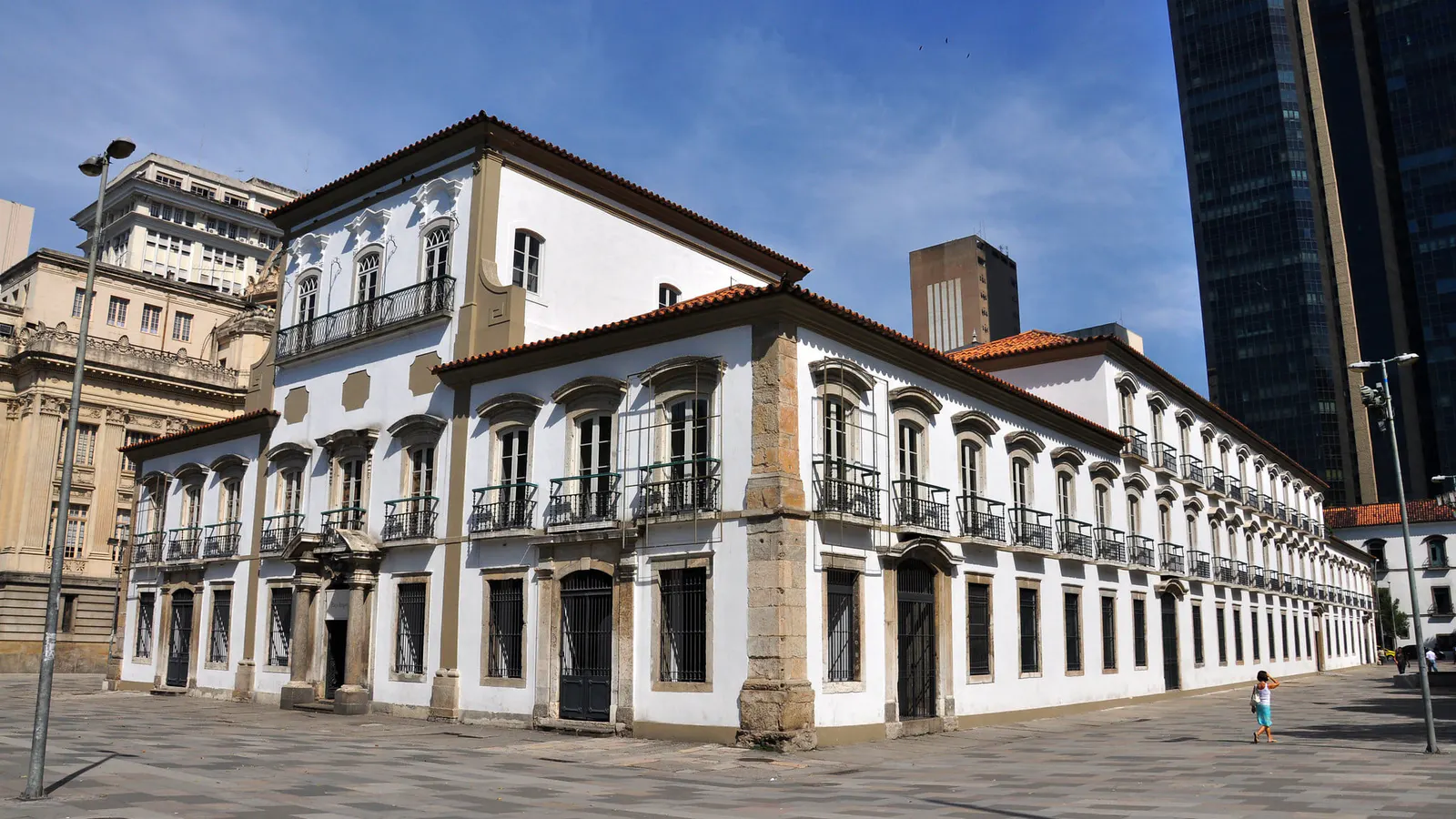
The Imperial Palace Cultural Center
Built in 1743, first it was used as the Viceroys’ house of Brazil.
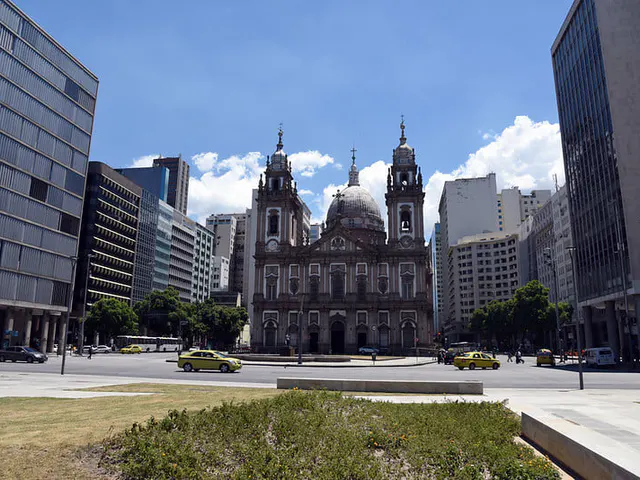
Igreja de Nossa Senhora da Candelária
Traditional stage of beautiful marriages, Candelaria church is on the touristic side script as the most visited one in Rio. In 2011, a new illumination with 278 projectors was inaugurated highlighting the beauty and the imposing building.
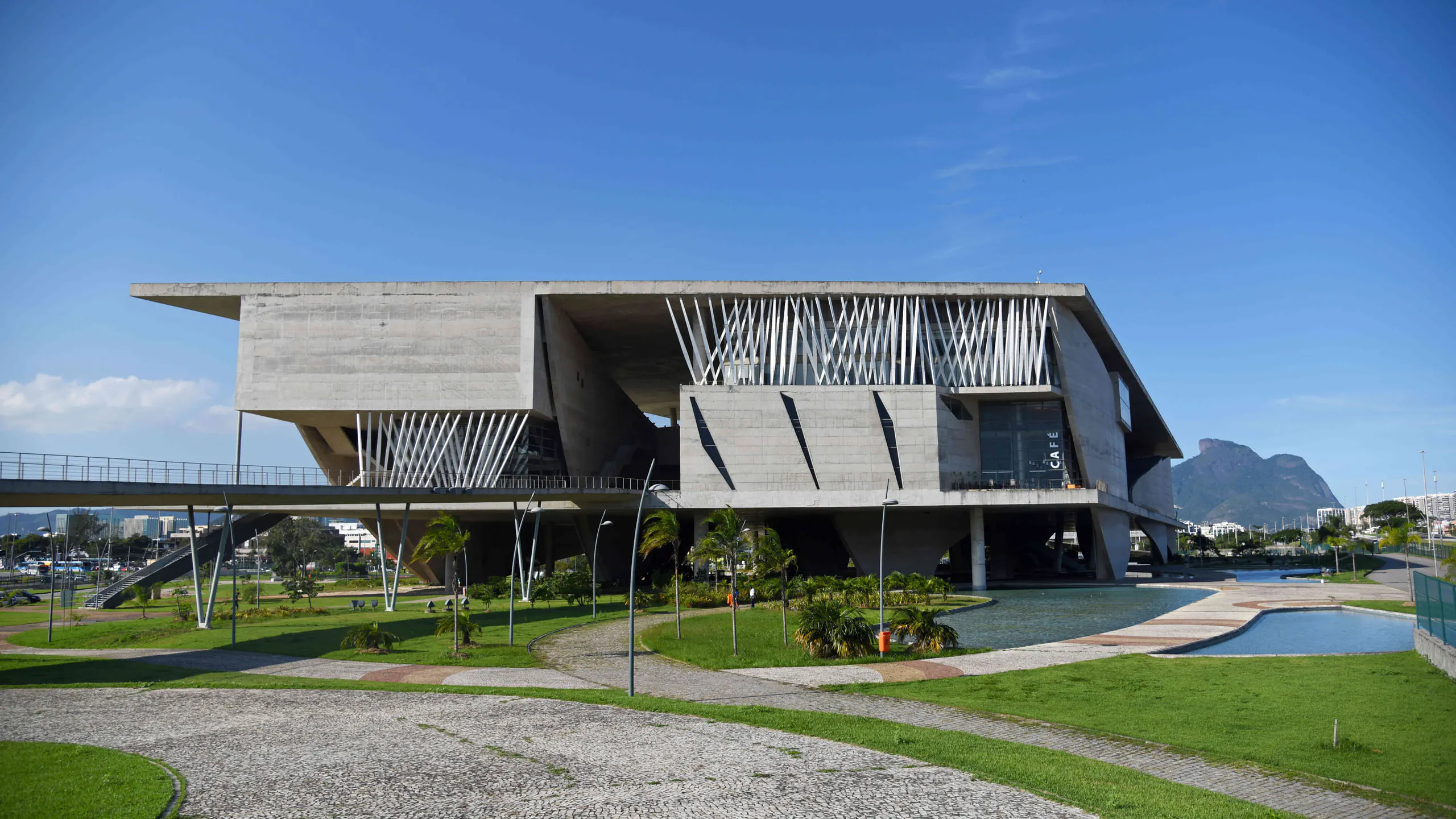
Cidade das Artes Bibi Ferreira
City of Arts is one of the most important and completed spaces to arts in Rio de Janeiro.
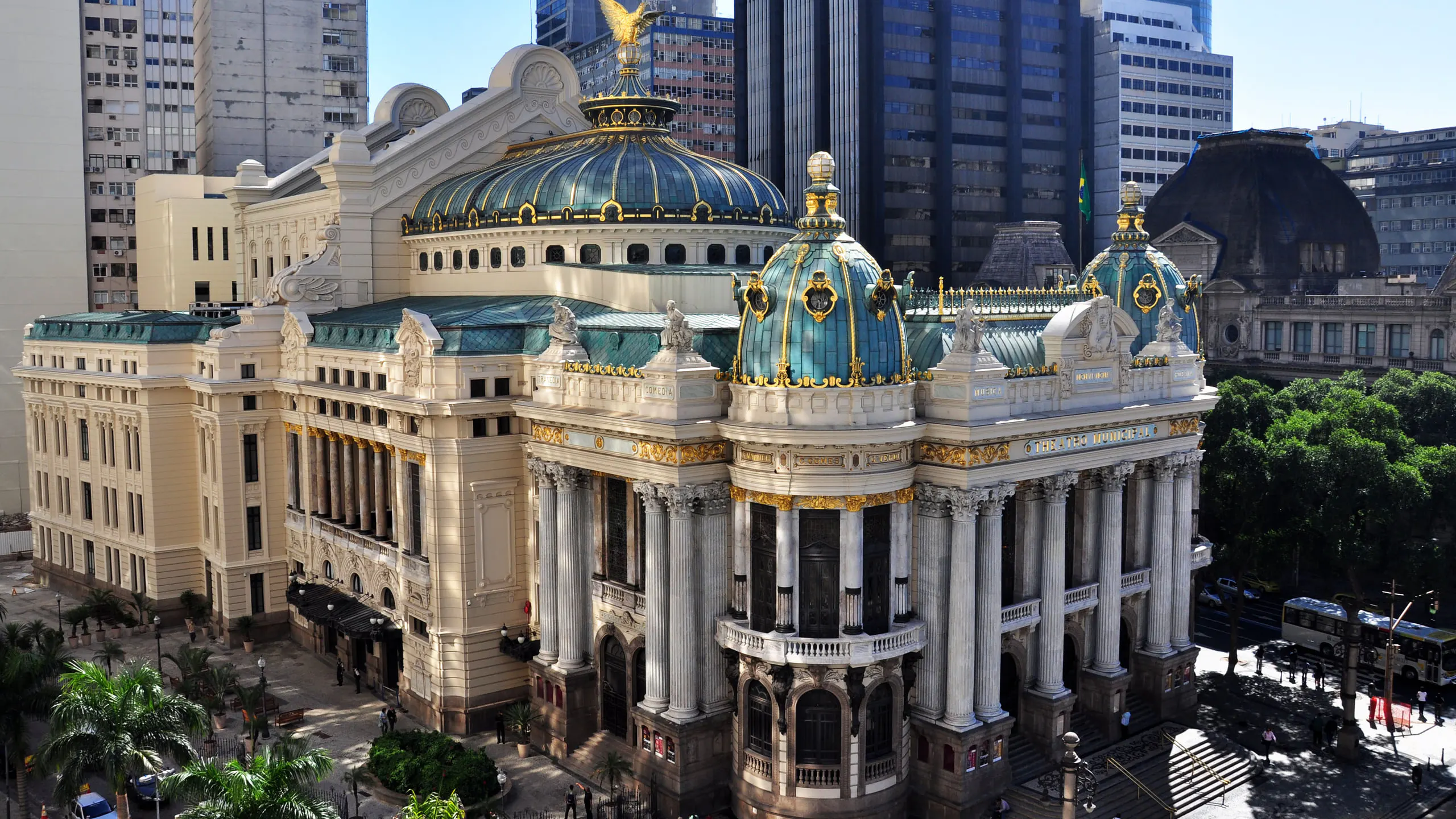
Municipal Theater
The imposing century construction calls the attention of those who pass by Cinelandia.
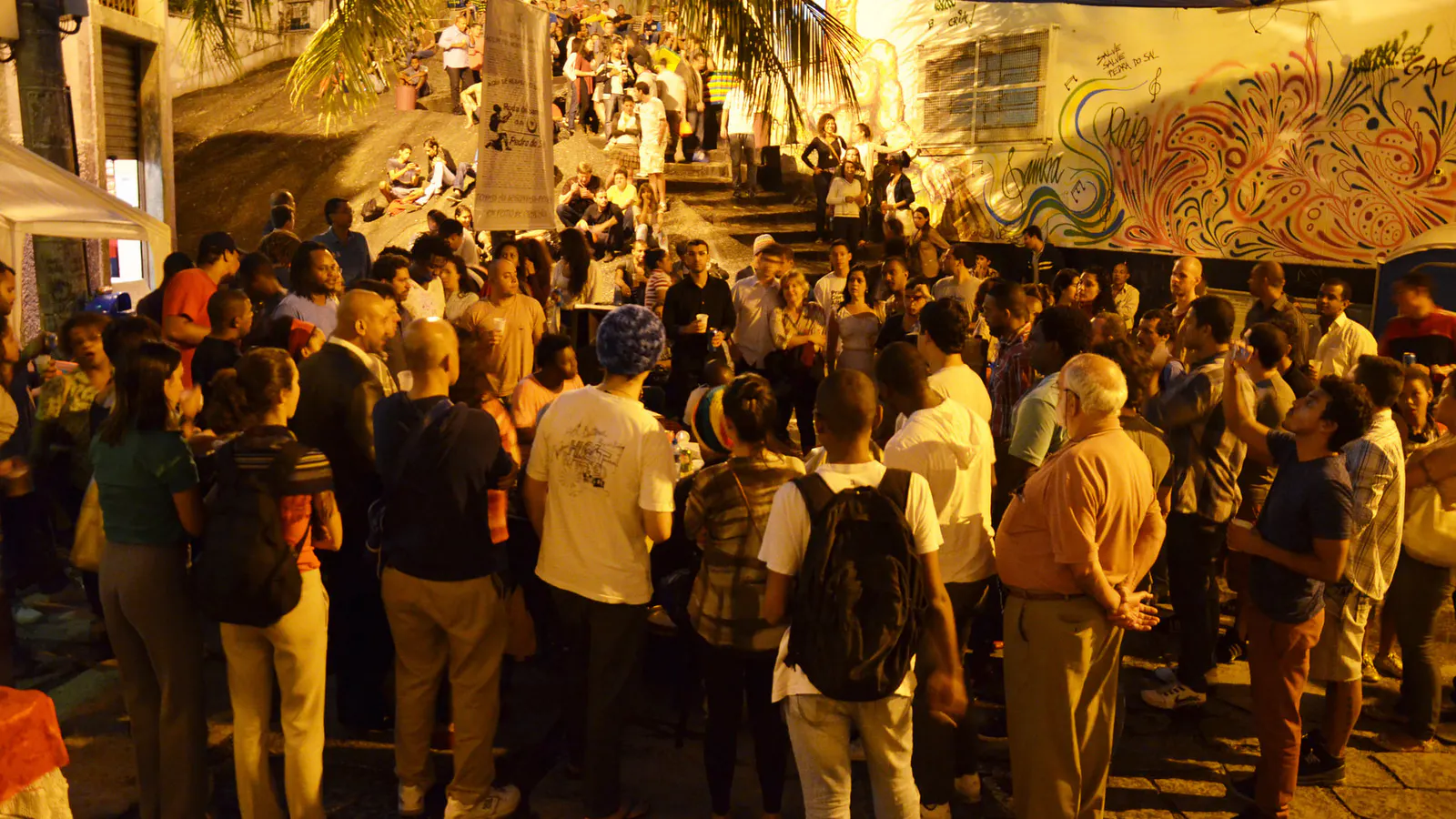
Pedra do Sal
The way they like: Samba groups, cold beer and friends together.

Renascença Clube
Founded in 1951 in Méier, the club headquarter was transferred to Andaraí in 1958. The original intention was to create a space where black families could visit without suffer prejudice.
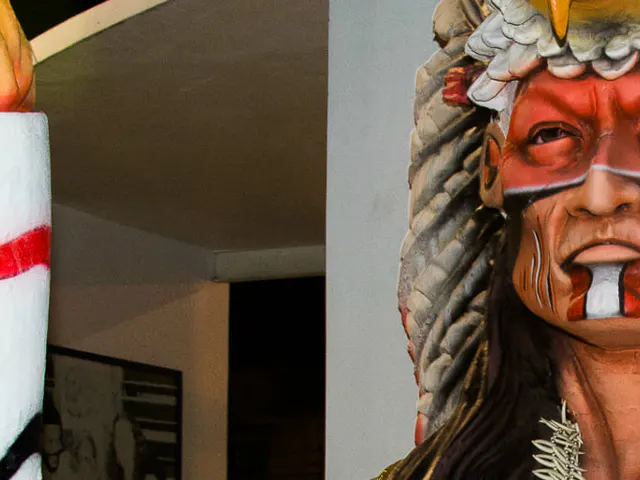
Branch Chief
Founded in 1961, it is one of the largest references of samba carioca.

Madureira or Duton Ball viaduct
The dances take place at the Madureira Viaduct, the Duton.


