

Rolls in Carioca Favelas
Come and meet the Carioca Favelas!
With elements that translate what is best in the territories, Rio de Janeiro offers, in addition to the traditional sights, a variety of cultural attractions in the slums scattered throughout the city, and you need to know! Options are not lacking for those who want to take a walk “pup” exalting inspiring initiatives and stories that feature different scenarios from the same place - our beloved Rio.
To enhance the work already done in the region, it is ideal for visits to be made with the support of registered local guides, in addition to associations or projects that receive the public. Press the play on this “roll”!
VIDIGAL

Cultural development center, the Vidigal is recognized by the social work that has led thousands of young people to step on the theaters of Brazil and the world. From the project “Us do Morro”, names like Roberta Rodrigues, Thiago Martins, Marcello Melo Jr and Jonathan Azevedo. Not to mention visits by international stars like David Beckham, Kanye West and Queen Latifah.
It is from the top of the favela that one of the most beautiful views emerges. From the “top” of the VDG (Vidigal sigla), you can see the beaches of the Leblon, Ipanema and Arpoador, as well as the sea blue that hypnotizes by immensity. Even who is “create” is dazzled by the beauty of the place! To get to the Mirante, bike taxi trips or ascent in a circular kombi of the region.
For those who want to stretch until the end of the day and enjoy the sunset, the tip is the Bar da Laje - which has already become one of the darlings of Rio. Over there, typical cariocas, drinks and live music. With an open and pleasant atmosphere, Laje Bar @bardalaje It's the right request for an end of the day. More carioca, impossible!
The public can also visit Vidigal Beach and the Ecological Park of the Sitiê == sync, corrected by elderman ==.
Enjoy the trip and plan to meet the Pointer of Arvarão, hotel, restaurant and bar, which offers several options for all tastes: feijoada, baroque food, seafood, pasta, among others - the Feijoada do Mirante was elected the best of Rio by Veja in 2023 , and the The two brothers' trail, with the help of local guides of the company of the same name 'Trílha Dois Irmãos', which not only take on the trail, but make a whole tour of the favela.
#UmCriaPraGuiar:
For site information and guided tours: @favelatourvigal.
How to get there: See the Moovit app to get the best route option to the entrance of the Vidigal, (Press. João Goulart, 920) and then choose between kombi or mototaxi to climb to the viewpoint.
SANTA MARTA

If you want a 360 degree view of Rio, the right choice is Santa Marta! The favela, which is located in Morro Dona Marta, shares space with the neighborhood of Botafogo, south of the city. From the colorful little houses that look - and are - a frame, you can see the Cristo Redentor “close by”. And not so far: on the other side of the community, there are Pão de Açúcar and Botafogo Beach, and it is possible to contemplate Lagoa Rodrigo de Freitas.
The favela is in the international collective imagination, since in 1996, singer and composer Michael Jackson recorded scenes from the clip of “They Don’t Care About Us” there. Alleys and alleys stopped a day, putting the community on the map to the world.
The feat earned even a bronze statue of the “King of the Pop”, made by sculptor Ique Woitschah, in 2010. From there to here, the passage in the one that is the "Michael Jackson slab" became one of the most visited sights in the region, where Madonna and Hugh Jackman have also passed.
The colorful houses are a project, the Favela Painting, developed by Dutch artists Jeroen Koolhaas and Dre Urhahn – known as Haas&Hahn. The Canton Square and 34 houses around were painted by young people, right at the entrance door of the site.
From there, the tourist can go to Mirante do Pedrão, which is on the road that gives access to the top of the Santa Marta community, on Oswaldo Seabra Street, in Laranjeiras. It has one of the most beautiful views of the city, Guanabara Bay, Botafogo, Pão de Açúcar and Niterói. Following the trail, you can see the Lagoon, the hills of the Two Brothers, the Pedra da Gávea, the Corcovado and the Christ. Who has never been now has an extra reason to go; and who can come back. The space was revitalized and gained more structure to receive visitors. You can enjoy this view, listen to a samba and enjoy a typical Rio de Janeiro day! With the modernization, the space receives a food truck and samba and pagoda events according to the programming available on social networks.
The favela also has a cable car/telephone to know the territory, which was renovated last year, with a space of shops for those who pass there.
#UmCriaPraGuiar:
For site information and guided tours: @saletetour/ @favelasantamartatour.
ROCK

It's a world! For years known as the largest favela in Latin America, Rocinha has been in the minds of Rio de Janeiro and all Brazilians. By its greatness, it reached relevant proportions in all spheres.
In history, the origin of its name is given by the old Quebra-Cangalha Farm, divided into small latifundios, which used the space to market products for the fair of Santos Dumont Square. And where were the food from? “Da Rocinha”, at the top of the Gávea. In the 1930s and 1940s, an automobile circuit made the region a setting for what would currently be Formula One races. Isn't that a wealth of history?
Taking a leap in time, the cultural attractions of the favela are the Laje da Mulher Maracujá, the Porta do Céu and the Mirante Rocinha bar, from where it is possible to be enchanted with the already known Cristo Redentor, Pão de Açúcar, Lagoa Rodrigo de Freitas and some neighborhoods of the south of Rio de Janeiro - besides seeing parts of Guanabara Bay - from a special angle. On the menu, contemporary gastronomy and a list of refreshing drinks!
To know: @mirante. rocinha.
Discover the Magic of the Gate of Heaven in Rocinha.
Amid Rocinha's alleys and alleys, a special place awaits you - the Gate of Heaven. A slab at the top of the hill offers a panoramic view of the city, is like a frame framing the beauty of Rio de Janeiro. Focused on the stunning landscape, the door presents us with a unique perspective of the Wonderful City.
#UmCriaPraGuiar:
For site information and guided tours: @gilmarjuniorfernandes /@ocanjicatour /@pedroleo. tour
SILVA EXPERIENCE

A slum in a slum? It is the artistic and playful way that comes there from Favela Pereira da Silva, between the neighborhoods of Laranjeiras and Santa Teresa, which are in the south zone.
Popularly known as ‘Morro do Pereirão’, the current location where the community is located was, in the past, a farm in the 19th century. What began with only a few families over the years gave way to a region that is now densely populated.
To give way and show the artistic richness of the site, the Morrinho Project was born, an open-air gallery depicting local life and culture in colorful miniatures. In the smallest detail, the scenery impresses by the hands of it: talented young people who use scraps and recycled materials to build true works of art.
Instagram: Original project
#UmCriaPraGuiar: Para informações sobre o local e visitas guiadas: Favela Walking Tour
BABYLON AND WALK

Neighbors, the Mangueira Hat and Babylon favelas are located in the Leme neighborhood, south of Rio de Janeiro, and share the most beautiful of nature that surrounds the entire city. On one side, the sea; on the other, the Morro of the Urca. Only 200 meters separate them from the edge, on a walk that can also lead directly to the Pão de Açúcar.
Despite the small distance between each of them, the two have characteristics that make it unique, each in its own way and space. The Mangueira Hat, for example, originated from the arrival of urban workers, with strong activism during the years of dictatorship and formation of associations of residents. Babylon is on the list of favelas in Rio with one of the oldest, rurally based and originally formed by residents of the North and Northeast regions of the country.
Respecting the diversity of their trajectories, the two communities make Rio an even more plural and meeting place, such as the Bar do David, in the Hat Mangueira, a space that exalts the welcome for residents and visitors. From the kitchen, the taste of homemade food is the star, prepared with spice that makes history by the affection with which it is made. In addition to gastronomy, the bar has also become a place for local artists, with presentations of samba wheels and live artists, always providing a climate of pleasure to those who visit.
And if food is what unites us, the two slums set an example of how to enjoy all food. With the Favela Organic initiative, those who pass through the communities can know another approach on conscious consumption, alternative gastronomy, homemade composting and gardens in small spaces. The project, created by cook Regina Chelly, has already taken its workshops and lectures to various states of Brazil, as well as countries such as France, Italy and Uruguay.
The visitor can also get to know the Babylon Morro Trail, where it takes about 2 hours to complete the journey over 1.2 km. Internal signaling is complete and orientation is easy. This trail brings a good opportunity to get to know the lifestyle of the community.
Instagram: @bar dodavid
#UmCriaPraGuiar:
For site information and guided tours: @amastourbabichapeu
In this collection
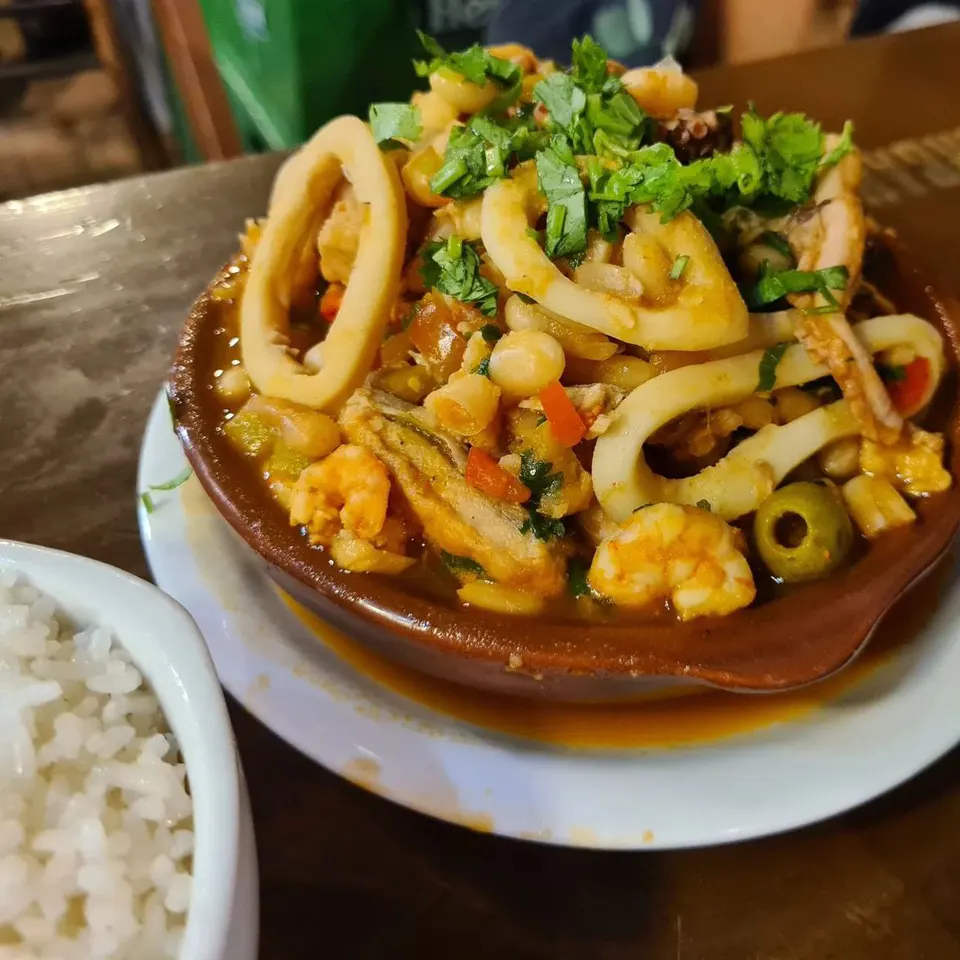
David's Bar
The matrix, from 2010, is in Morro do Hat Mangueira, has a view of Leme Beach and attracts people from all over the world. The menu and prices are the same both there and in Copacabana.
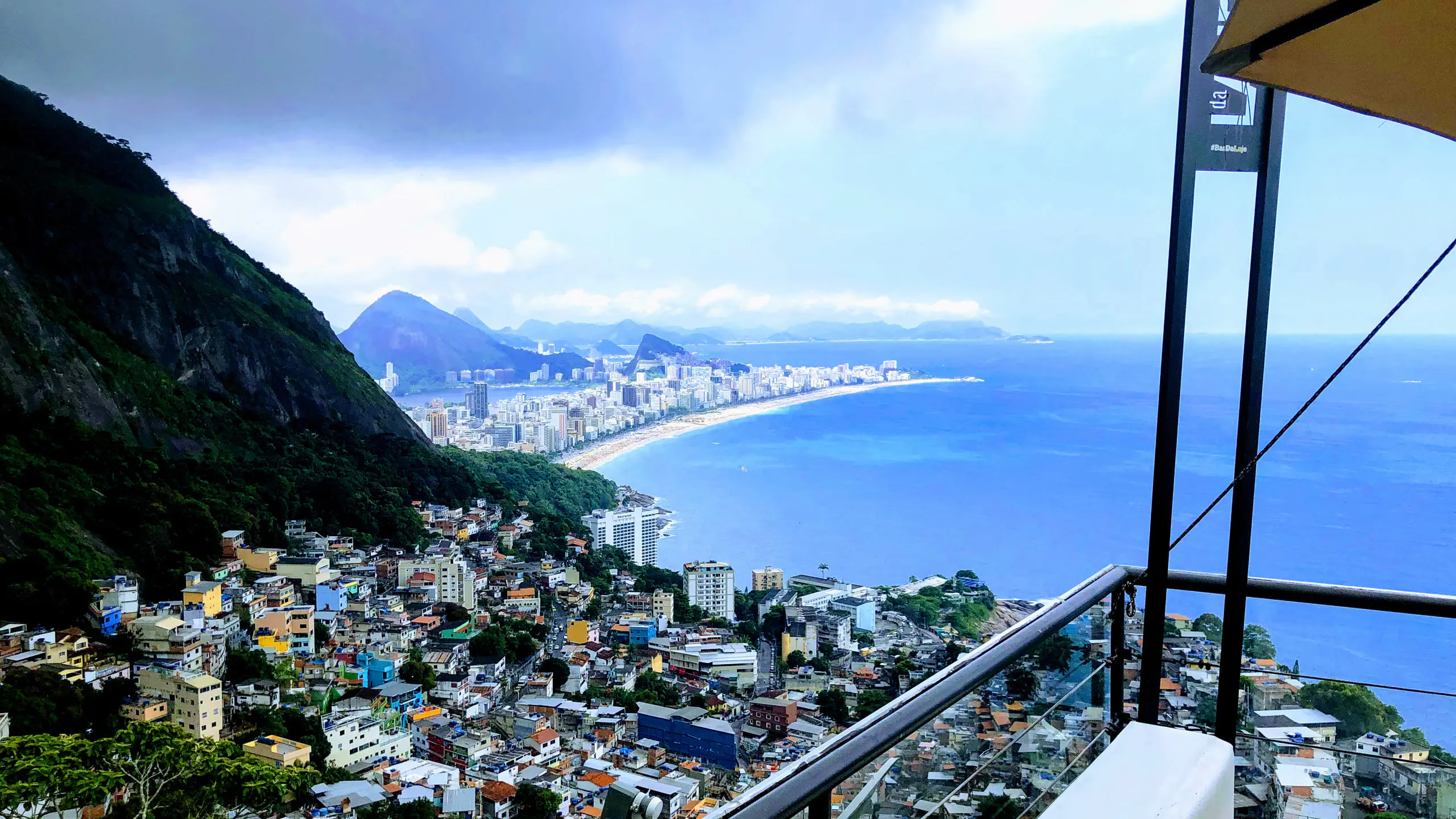
BAR DA LAJE
Beautiful view, delicious food... This is the Bar da Lage, come check it out!
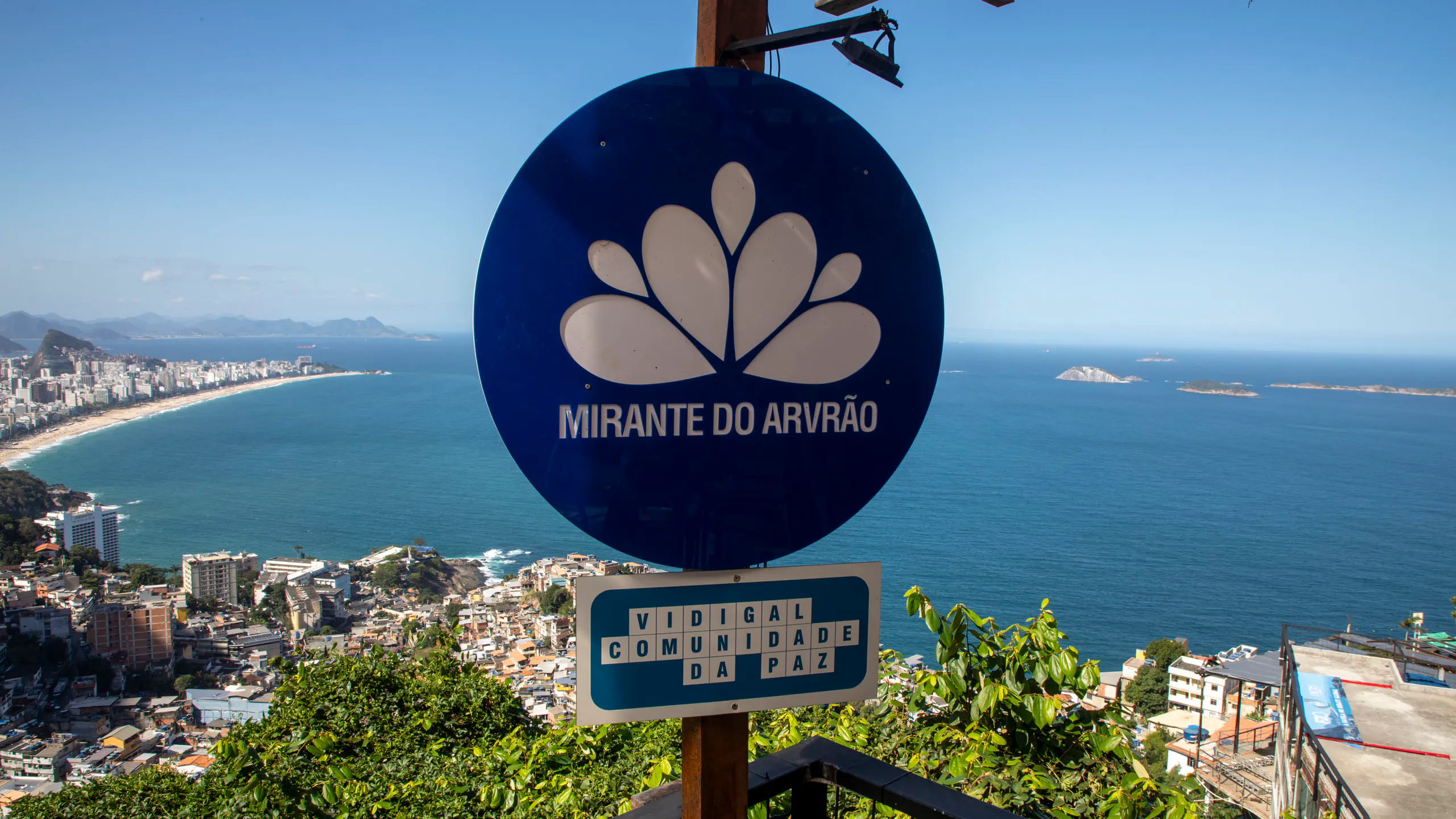
Arvarão Viewer
This is one of the most beautiful views in Rio de Janeiro!

Mirante Dona Marta
From the top of its 360m, the Mirante Dona Marta offers one of the most incredible views of the city, guaranteeing the title of one of the most visited tourist spots in Rio de Janeiro. From there, you can see Sugarloaf Mountain, Christ the Redeemer, Maracanã, Guanabara Bay and Rodrigo de Freitas…
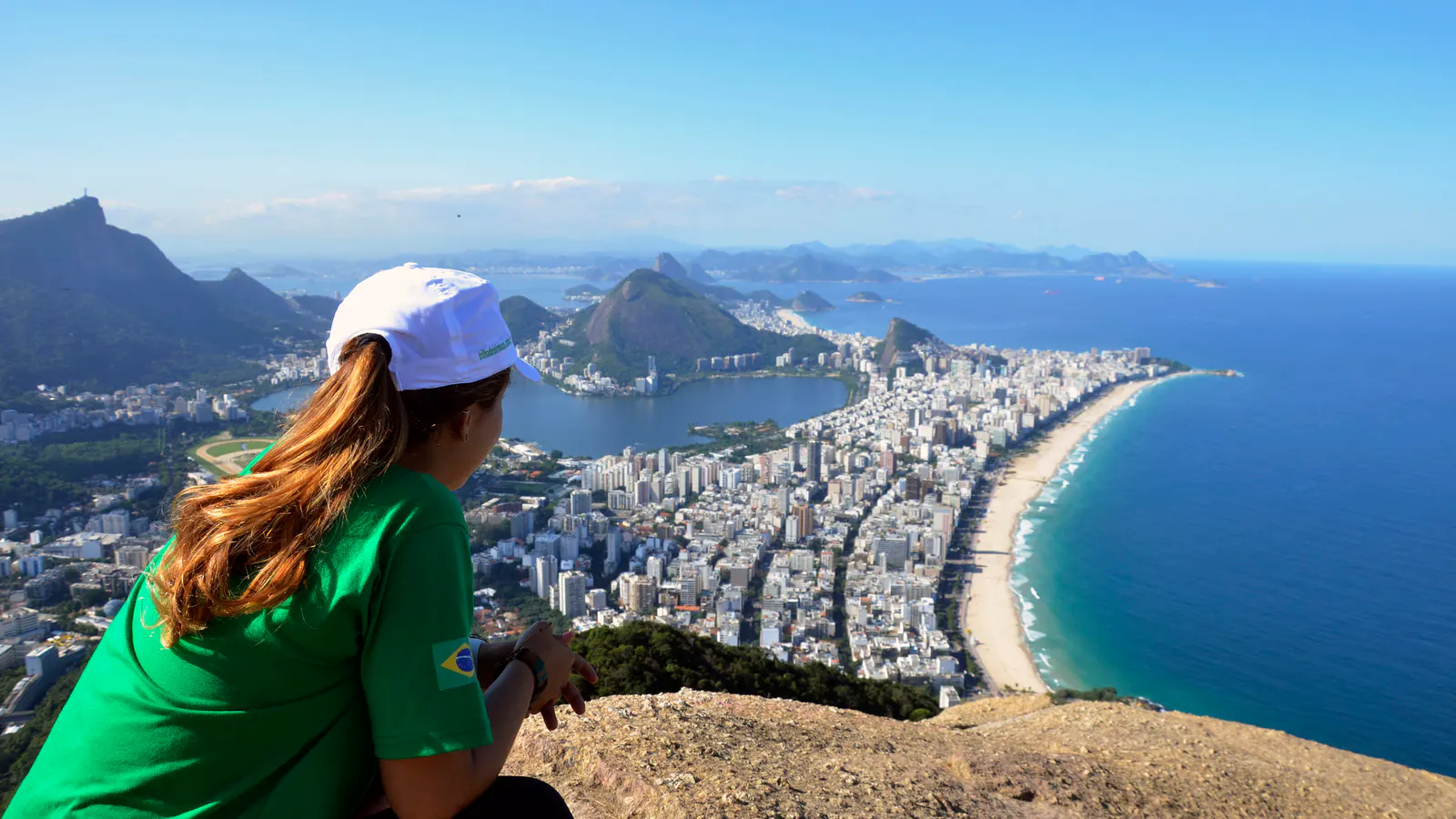
Two Brothers Hill
The trail is relatively easy and from the top is possible to see the whole carioca South area.


