

Rio Architecture
Welcome to the Marvelous City! We've prepared an itinerary for you to get to know some of the most well-known buildings around here!
Rio de Janeiro is always recognized for being a metropolis of great urbanistic diversity. Our city has in its territory common situations both in large urban centers of rich countries as in developing countries.which makes it almost a unique case of interest for architects from around the world.
Click to download in PDF: Routes Cariocas – RIO ARCHITECTURE

THEATRO MUNICIPAL
One of the most important Brazilian theaters located in Cinelândia in downtown. The theater counts on the following artistic bodies. The Symphony Orchestra of the Municipal Theater of Rio de Janeiro, Municipal Theater Choir and the Theater Ballet of the Municipal Theater. Also theater related is the State School of Dance Maria Olenewa.
Address: Praça Floriano, S/N - Centro

ASSOCIAÇÃO BRASILEIRA DE IMPRENSA (ABI)
The building of ABI is referential to the modern Brazilian Architecture that already in the thirties outlined the concept of functionality. The construction of the building occurred at the time when Herbert Moses took over the presidency of the Association and left his mark for posterity,
Address: Rua Araújo Porto Alegre, 71 - Centro

REAL GABINETE PORTUGUÊS DE LEITURA
The institution was founded in 1837 by a group of Portuguese immigrants with the aim of promoting culture among the Portuguese community in the then Imperial capital. The current headquarters building designed by the Portuguese architect Rafael da Silva Castro, was erected between 1880 and 1887. Its facade inspired by Monastery of Jerônimos was worked in stone of lias by Germano José Salles in Lisbon and brought by ship to Rio.
Address: R. Luís de Camões, 30 - Centro

ARCOS DA LAPA
The Arches of Lapa, known as Aqueduct of Carioca, were erected in the 18th century, between 1725 and 1744, with the aim of transporting water from the source of Carioca River until Largo da Carioca. The architectural work is on the list of the most popular tourist attractions of the city. It is one of the city´s postcards and an icon which represents Old Rio, and brings with it all the history and bohemian fame of Lapa.
Address: Rua do Riachuelo, 27

SAMBÓDROMO DA MARQUÊS DE SAPUCAÍ
Officially appointed as Passarela Professor Darcy Ribeiro, it was inaugurated in 1984. The venue is the stage of Carnival Samba Schools Parade.. It was designed by architect Oscar Niemeyer, and implemented during the first government of Leonel Brizola, aimed to endow the city with a permanent urban equipment for the traditional parade exhibition.
Address: R. Marquês de Sapucaí - Santo Cristo

EDIFÍCIO MARQUÊS DE HERVAL
Located in the Downtown area, the building is located opposite to the Carioca subway station and the VLT station, with abundant connections to all parts of the city. The project, still bold today, was designed by the Roberto brothers and features panels by Paulo Werneck.
Address: Av. Rio Branco, 185 - Centro

EDIFÍCIO PETROBRÁS
Considered a landmark in national architecture, the headquarters building of Petrobras was built between 1969 and 1974. The building project was chosen through a nationwide competition organized by Architect´s Institute of Brazil, in which participated more than 200 Civil construction offices.
Address: Av. República do Chile, 65 - Centro

EDIFÍCIO BNDES
The Rio de Janeiro Services Building was built in the eighties. Since 1985, it is managed by BNDS. Aligned from the beginning to the concepts of Socio-environmental Responsability, the selective collection of residues em 1998 and since then several measures have been adopted to make the building a Green Building, aiming especially in reducing water and energy consumption.
Address: Av. República do Chile, 100 - Centro

ILHA FISCAL
The construction of a customs office for the control of traded goods in the harbor of Rio de Janeiro was requested by Counselor Joao Antônio Saraiva ( 1823 - 1895) of Ministry of Finance, in the 19th century, and its location that at that time was known as Island of Rats, was ideal due to the proximity to anchorage points of foreign merchant ships that docked at Guanabara Bay.at the height of the present Praça XV.
Address: Avenida Alfredo Agache, s/n - Centro, dentro do Centro Cultural da Marinha

PARQUE EDUARDO GUINLE
The Park was originally designed in the twenties as well as the gardens of Eduardo Guingle home. All keep the same visual language characterized by the use of pilotis, as a strategy to deal with the variable terrain profile, by the presence of a recessed roof deck and especially by the use of cobogó ceramics and vertical rosewood painted brises in Caledônia and light blue in Bristol - on the facades.
Address: R. Paulo César de Andrade, s/n - Laranjeiras

CAPELA DO JOÁ / BERNARDES ARQUITETURA
The Chapel was implemented due to the irregular topography of the land and the search for a reserved place. Laminated wooden porches are supported on the main structure, which at the same time support and envelop the internal space.
Address: Estrada do Joá - São Conrado
EDIFÍCIO BIARRITZ
Designed in 1940 by Henri Paul Pierre Sajous and Auguste Rendu, it is one of the most significant "art décor" buildings in the city. It's got a charming and quiet internal garden, which is rare to find in Rio today.
Address: Praia do Flamengo, 268

COPACABANA PALACE
Built between 1919 and 1923, Copacabana Palace Hotel was erected on request of the then President Epitácio Pessoa ( 1919-1922). For project implementation French architect Joseph Gire was hired. The architectural work became an historical heritage, being listed in the Federal, State and Municipal spheres.
Address: Av. Atlântica, 1702 - Copacabana

PASSARELA DE OSCAR NIEMEYER
Located in the district of Rocinha, the walkway crosses Highway Lagoa-Barra, linking the slum to the Olympic Vilage.It was designed by architect Oscar Niemeyer. The walkway that has sinuous lines, was built in concrete. The arch shaped in M is a symbol for the Carioca woman, portrayed as beautiful and curvy.
Address: Av. Niemeyer, 230-274 - São Conrado.
PARQUE DO PEDREGULHO
The Conjunto Residencial Prefeito Mendes de Moraes was designed by the architect Affonso Eduardo Reidy in 1947 with the goal to house public servants of the then Federal District. Located in the neighborhood of São Cristóvão, the complex brings in its design the naturalness and consistency of Brazilian Modern Architecture.
Address: Largo do Pedregulho, Benfica

CIDADE DAS ARTES
The project is authored by French architect Christian de Portzamparc.The privileged location of a generous area, no restrictions or limits in relation to the surroundings gave the architect the ideal conditions to design.
Address: Av. das Américas, 5300 - Barra da Tijuca
CENTRO INT. SARAH DE NEURORREABILITAÇÃO E NEUROCIÊNCIAS.
The space was inaugurated in May 2009, is located in Barra da Tijuca and admits adults and children with congenital or acquired lesions of the central and peripheral nervous system. The proposed treatment includes monitoring the patient's rehabilitation process and providing guidance to family members, considering the particularities of each case.
Address: Av. Embaixador Abelardo Bueno, 1.500 - Barra da Tijuca
Enjoy this type of content? Follow us on social media for more:
https://campsite.bio/riotur
- Students with student ID.
- Over 60.
- Teachers.
- People with disabilities.
- It's okay. Young people registered in the Single Register for Social Programs of the Federal Government – Cadúnico.
Free of charge:
- Children up to 2 years and tour guide in activity.
- FA Military, Auxiliary Forces and their dependents: They are entitled to free travel in the Navy Cultural Space, and the Half Entrance for tours of Fiscal Island and Maritime Tour. We consider the military police in general, military of all forces (arms, aircraft, firemen and navy)
Website: https://www.marinha.mil.br/dphdm/fiscal island
For information on how to get to the site, visit the site or app Moovit
EDUARDO GUINLE PARK
Eduardo Guinle Park, located in Laranjeiras, Rio de Janeiro, was originally designed in the 1920s as part of the gardens of Eduardo Guinle's residence. The project of the park and its buildings follows the same aesthetic language, characterized by the use of pilotis, which help adapt the construction to the irregular terrain of the area. Another striking feature is the presence of receded floors with covering, besides the facades adorned with ceramic cobogós and vertical wooden brises. The brises are painted in distinct colors, with pink tones in the Caledonia building and light blue in Bristol, giving a unique charm to the architectural ensemble.
Address: R. Paulo César de Andrade, s/n – Laranjeiras
Opening hours: open 24 hours, including G20
Website and social network: www.parqueguinle.com.br and @parkguinlerj
For information on how to get to the site, visit the site or app Moovit
COPACABANA PALACE
Built between 1919 and 1923, the Copacabana Palace was erected at the request of then President Epitácio Pessoa (1919-1922). For the execution of the project was hired the French architect Joseph Spine. The architectural work became historical heritage, being topped in the federal, state and municipal spheres.
Address: Av. Atlantis, 1702 - Copacabana
For information on how to get to the site, visit the site or app Moovit
ROLE PASSARELA
Located in the neighborhood of Rocinha, the runway crosses the Lagoa-Barra motorway, linking the favela to the Olympic Village. It was designed by architect Oscar Niemeyer. The runway, which has winding lines, was built in concrete. The arc in M symbolizes the carioca woman, portrayed as beautiful and full of curves.
Address: Av. Niemeyer, 230-274 - São Conrado
For information on how to get to the site, visit the site or app Moovit
ART CITY
The City of the Arts, built in Barra with design by the French architect Christian de Portzamparc, choice of the site, with a vast area available and without great restrictions of surroundings, provided ideal conditions for the development of the project. The complex is one of the largest cultural centers in Latin America and offers, through Bibi Ferreira, the Guided Visit, an opportunity to explore its architecture and history. The activity, lasting about an hour, includes the tour of outdoor spaces, theaters and galleries, as well as presenting areas such as the central square, where shows and cultural events take place, the Esplanada Luiz Paulo Horta, with art galleries and chamber theater, the Reading Room and the Arena da Grande Sala. To participate, it is necessary to schedule the visit by email (citydasartes.contact@gmail.com). The tour is available every day from Monday to Sunday from 10am to 5pm for groups of up to 20 people.
Address: Av. das Américas, 5300 – Barra da Tijuca
Opening hours: Mon a Dom, 10 am to 6 pm (except on show days)
Tel.: 21 3325 0102
Check out the full program in site And secure your ticket.
Website and social network: http://cidadedasartes.rio.rj.gov.br and @cityofarts
For information on how to get to the site, visit the site or app Moovit
Do you like the contents? Follow Riotur's social networks to learn more:
https://campsite.bio/riotur
In this collection
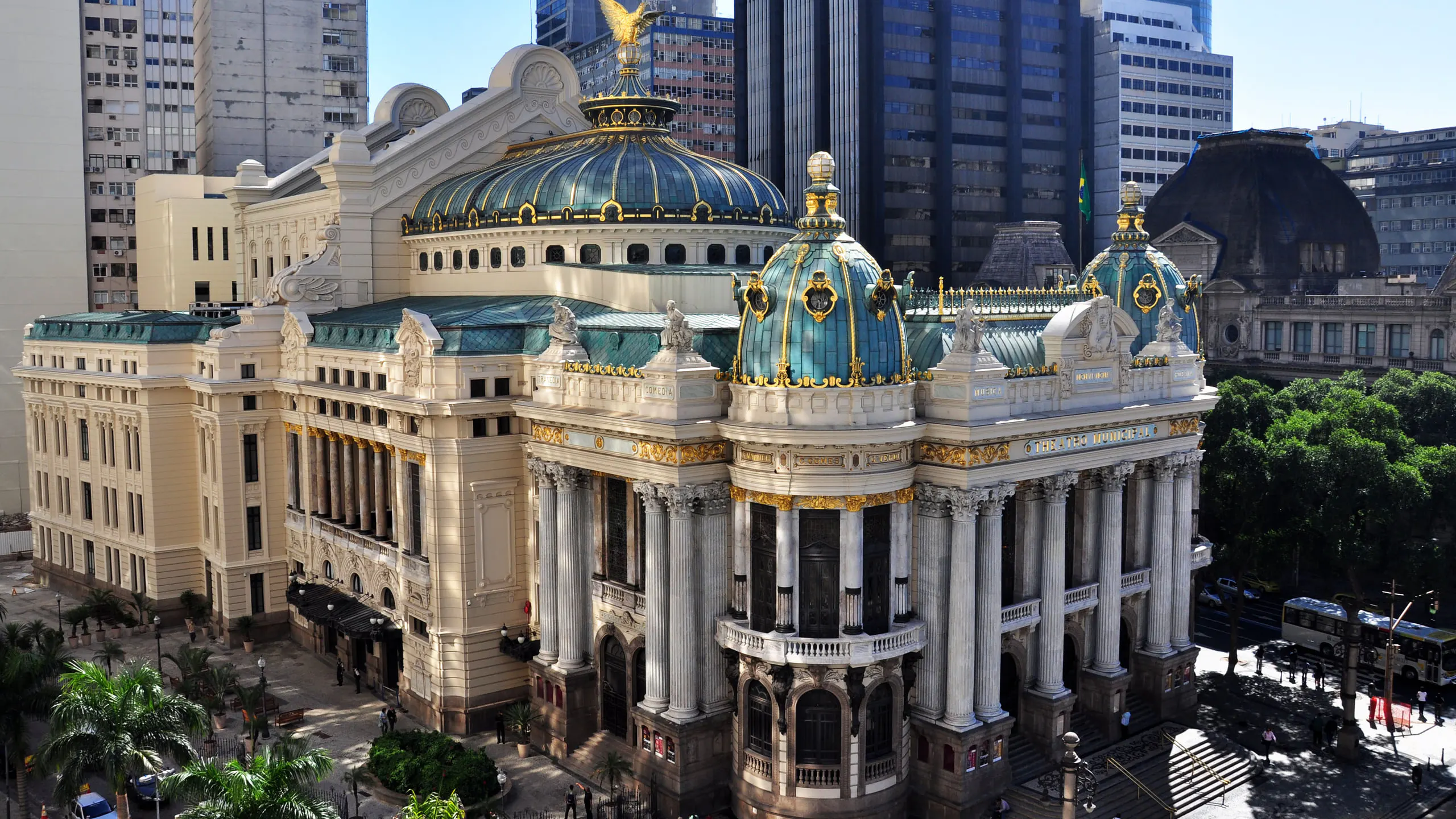
Municipal Theater
The imposing century construction calls the attention of those who pass by Cinelandia.
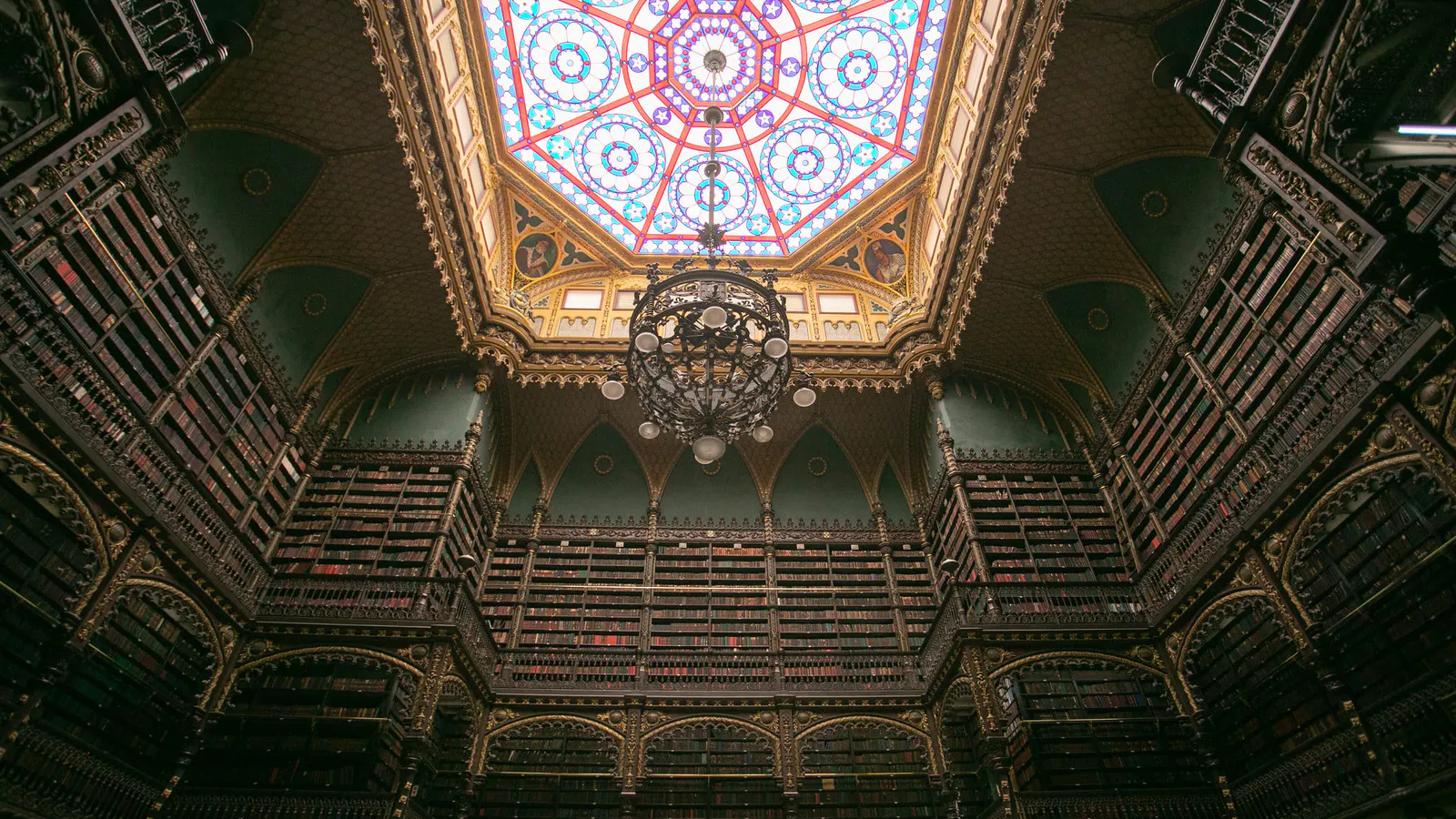
Real Gabinete Português de Leitura
Founded on May 14th 1837, the Room emerged aiming at offering to all compatriots living in Rio, access to their native country publishing.
Ilha Fiscal
The setting for the event that became known as “The Last Ball of the Empire”, held a few days before the Proclamation of the Republic, Ilha Fiscal continues to be a link between the present and the past. The specialized guides who accompany the visiting groups, in addition to showing the halls…
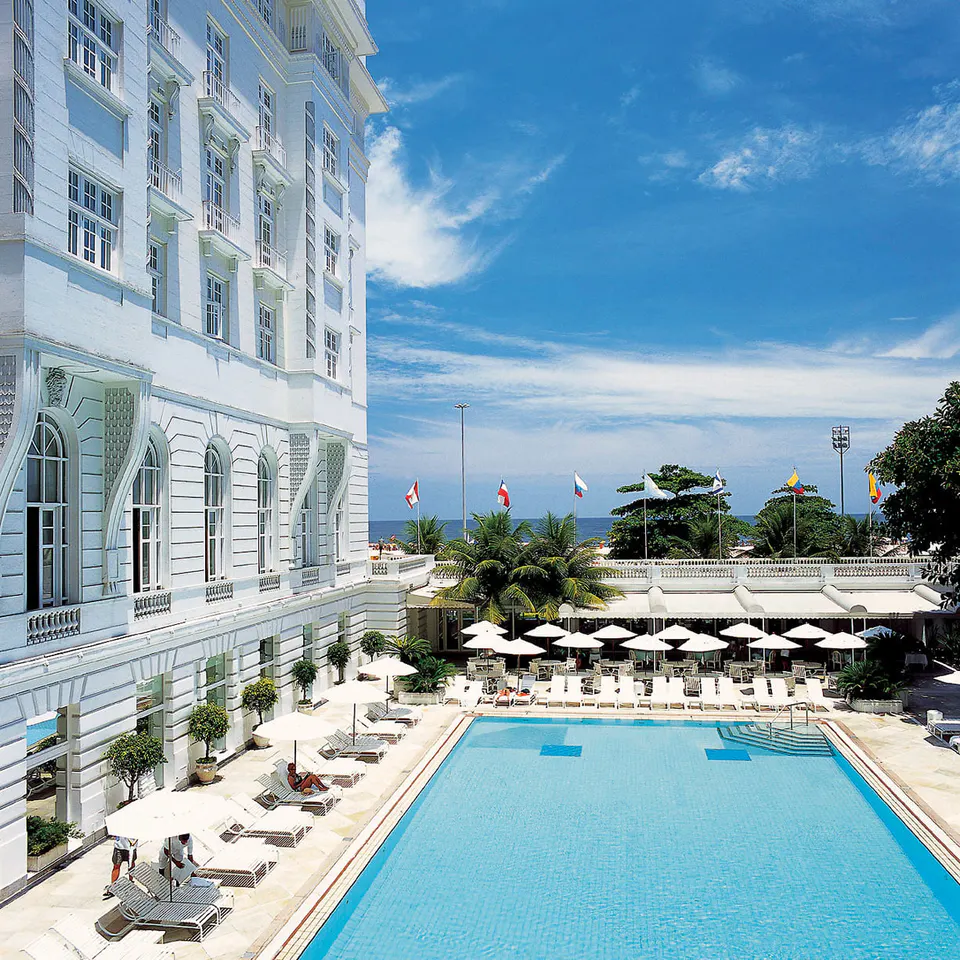
Copacabana Palace
The Cup is inherent in the history of the world's most beloved beach since 1923.


